






For millions of Americans, programs like Medicare and Medi-Cal are not just line items in a government budget; they are vital lifelines that stand between wellness and devastation. Yet, behind the scenes of these essential services lies a darker reality where greed takes precedence over human care. A massive new federal crackdown has exposed how deeply entrenched this betrayal has become, revealing a web of exploitation that drains resources meant for the sick, the elderly, and the impoverished. By diverting billion-dollar funds into the pockets of fraudulent operators, these schemes strike at the very heart of public trust, leaving vulnerable citizens to bear the invisible costs of a compromised healthcare system.
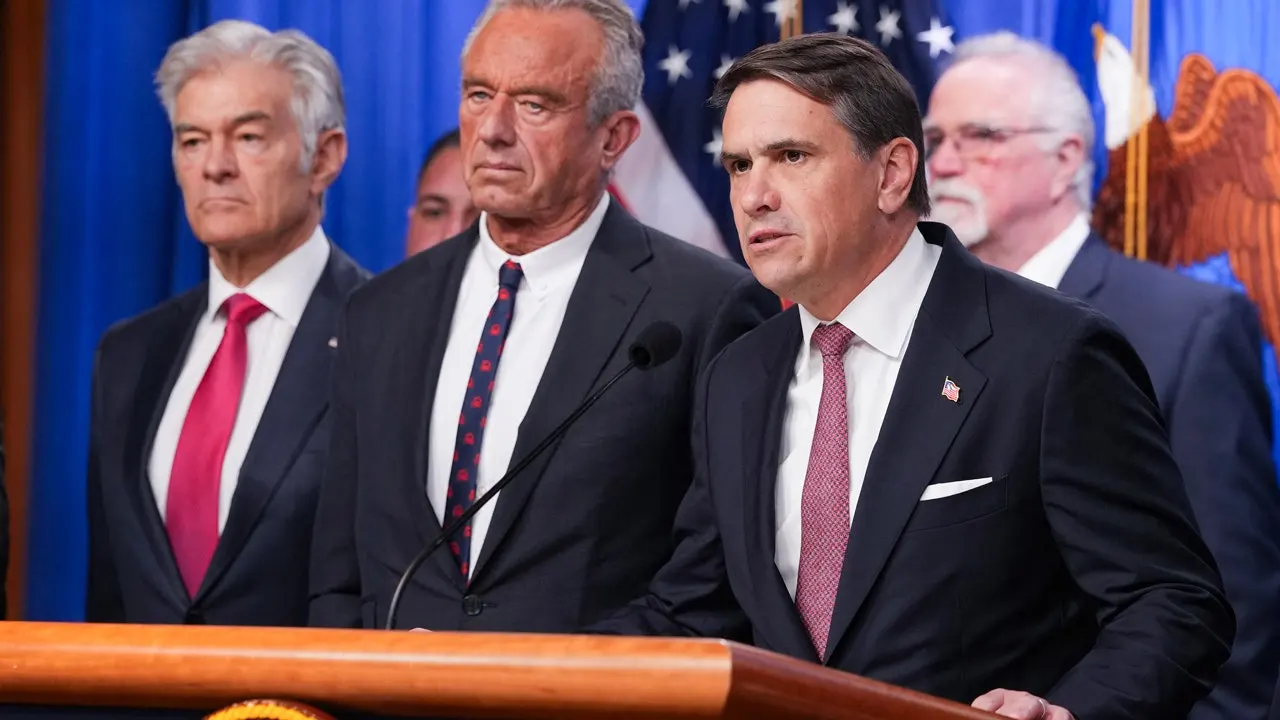
In an unprecedented effort to reclaim these stolen resources, the U.S. Department of Justice recently executed its “2026 National Health Care Fraud Takedown,” a sweeping operation that has sent shockwaves through the medical and legal communities. Targeting 455 defendants nationwide and uncovering a staggering $6.5 billion in alleged fraud, the initiative stands as the most aggressive coordinated campaign of its kind in American history. Acting Attorney General Todd Blanche emphasized the sheer scale and moral urgency of this mission, declaring that the era of consequence-free exploitation is over. As federal agencies, including the FBI, mobilize to track down fleeing fugitives and seize illicit assets, the message to dishonest operators is clear: those who view public health systems as personal cash registers will face the full weight of the law.
The epicenter of this crackdown hit home in Southern California, where federal prosecutors brought charges against ten individuals accused of turning public compassion into personal profit. Among the most egregious cases is a massive $270 million scheme targeting Medi-Cal, California’s Medicaid program designed to provide healthcare access to low-income families and individuals. At the center of these allegations is 61-year-old Christina Mareik of Whittier, also known as Christina Marie Sanchez Hernandez. Prosecutors allege that Mareik abused her position within the medical community to facilitate thousands of fraudulent prescriptions, effectively diverting more than $178 million in actual government payouts away from real patients who desperately needed legitimate medical intervention.
The mechanics of this prescription drug scheme paint a disturbing picture of systemic manipulation. Instead of providing life-saving medications to those in need, the conspirators allegedly submitted claims for highly expensive prescription drugs that were either entirely unnecessary or never actually delivered to the patients. Many of these high-priced claims involved drugs that featured cheap, generic ingredients, maximizing profit margins for the fraudsters while leaving a paper trail of fictitious care. It is a sobering reminder of how easily paperwork can be weaponized in the modern medical landscape, transforming what should be a healing transaction into a ghost-like operation where patient names are used as currency to siphon public funds.
Even more heartbreaking is the exploitation of end-of-life care, a sector of medicine where dignity, comfort, and compassion should be absolute. In a separate federal case in the San Fernando Valley, prosecutors charged three individuals—Oren David Shachar, Abraham Shin, and Jeannie Choi—with a $27 million Medicare fraud scheme centered around hospice care. Hospice is meant to provide comfort and peace to patients in their final days, yet these defendants are accused of using stolen identities, fabricating patient records, and paying illegal kickbacks to run sham hospice companies. By reducing the sacred process of end-of-life care to a series of fraudulent transactions, the defendants allegedly stripped vulnerable, dying individuals of their dignity to exploit the safety nets designed to comfort them.
While the legal battles against these Southern California defendants are just beginning, the broader implications of these investigations resonate deeply with communities across the nation. The success of this massive federal takedown offers a glimmer of hope that accountability is returning to a fractured system, but it also underscores the continuous vigilance required to protect our society’s most fragile members. Moving forward, the goal must go beyond merely prosecuting criminals and retrieving stolen dollars; it must focus on restoring faith in our healthcare institutions. Only by safeguarding these vital programs from predatory schemes can we ensure that every dollar invested in public health actually reaches the hands and hearts of the people who need it most.