



Paragraph 1
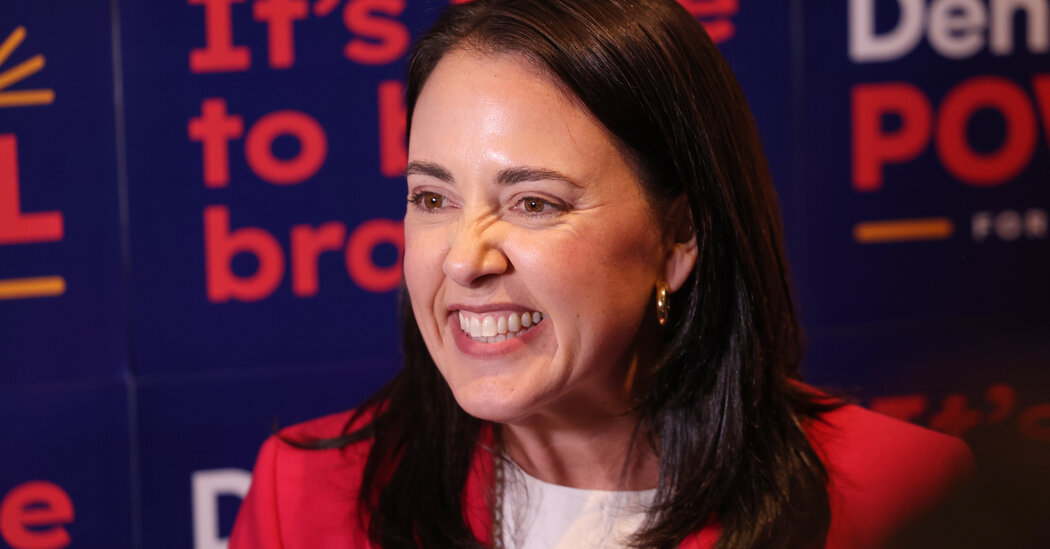
In the heart of Omaha, Nebraska, where the Platte River winds through a city with a storied history of resilience and community spirit, Denise Powell has emerged as a beacon of hope for local Democrats. As a dedicated political organizer with years of grassroots experience, Powell has always seen herself as someone who could bridge divides in this uniquely structured battleground state. Her recent victory in the Democratic primary for Nebraska’s 2nd Congressional District, as called by The Associated Press, wasn’t just a win on paper—it was a deeply personal triumph. Facing off against tightly packed competition, Powell, a mother and advocate for social justice, poured her heart into connecting with everyday Nebraskans, from factory workers to young families struggling with healthcare costs. She’ll now square off in the general election against Brinker Harding, a steady Republican city councilman known for his fiscal prudence and community ties. This race comes at a critical time, as Democrats nationwide grapple with the urgent need to flip key districts and reclaim Congress in what feels like an existential battle for the soul of American politics. Powell’s win is more than a political milestone; it’s a testament to the quiet determination of individuals who refuse to back down, embodying the spirit of midwestern grit in an era of polarization.
Paragraph 2
The backdrop of this high-stakes contest is the absence of Representative Don Bacon, a retiring Republican incumbent whose moderate stance and occasional criticisms of President Trump made him a polarizing figure even among his own party. Bacon’s decision not to seek re-election created an open seat in this Omaha-centric district, turning what could have been a routine primary into a fiery showdown. For Powell, this opportunity feels like providence—a chance to represent a community she’s called home for decades, where the echoes of civil rights marches and economic booms still resonate. Her challengers, including State Senator John Cavanaugh, brought their own narratives of service, but Powell’s campaign resonated by highlighting her unyielding commitment to issues like climate action and equitable education. It’s easy to humanize these political figures: Bacon, now stepping away to spend more time with his family after years of navigating Washington’s cutthroat environment; Harding, a devoted father who coaches Little League and believes in small-town values; and Powell, whose own story of overcoming personal hardships mirrors the struggles of her constituents. This race isn’t just about policies—it’s about people, driven by hopes, fears, and the collective desire for a better future.
Paragraph 3
At the core of the Democratic primary drama lay an unusual and fascinating argument that made Powell’s narrow victory even more compelling, blending electoral strategy with the idiosyncratic way Nebraska handles its presidential votes. Unlike most states that award all their electoral votes to a single winner in a winner-take-all system, Nebraska follows a “blue dot” method: two votes go to the statewide presidential victor, and one each to the winners of its three congressional districts. This has made the Omaha district—a liberal stronghold in an otherwise red state—a crucial “blue dot,” consistently awarding its electoral vote to Democrats in recent cycles. The argument Powell’s team weaponized was that electing Cavanaugh to Congress would weaken this blue dot. If Cavanaugh left his state Senate seat, it could potentially mean fewer Democratic votes to protect the district’s progressive lean in future elections. This isn’t abstract politics; it’s a tangible concern, especially in razor-thin presidential races where every vote counts. Imagine a scenario where a handful of swing states decide the presidency—Nebraska’s unique system could tip the scales, turning a Democratic win into a Republican one if the blue dot fades. For voters, this hammered home the stakes, urging them to consider not just one election, but the ripple effects on national outcomes for years to come.
Paragraph 4
State Senator John Cavanaugh, Powell’s primary rival, defended his position with conviction, arguing that the blue dot was firmly secured and that Democrats in the Legislature could fill his vacated seat without issue. A seasoned politician with a reputation for bipartisan cooperation, Cavanaugh portrayed himself as a pragmatic leader who could deliver results, from infrastructure investments to rural health improvements. Yet, his opponents painted a picture of vulnerability, warning that his departure might embolden Republicans eager to “repeal” the blue dot system entirely. Cavanaugh’s campaign wasn’t just about policy—it was imbued with his personal dedication to public service, having served in the state Senate for over a decade and building bridges across party lines. He likely saw these attacks as shortsighted, a distraction from more pressing matters like economic recovery. For Powell, confronting Cavanaugh was like facing a mirror: similar passions for progressive causes, yet divergent strategies in a state where every nuance matters. Behind closed doors, these contenders shared anecdotes—Powell’s narratives of door-knocking in blizzards, Cavanaugh’s of late-night committee hearings—illustrating the human toll of politics. The primary’s outcome, decided by just a handful of votes in many precincts, underscored how personal investments in campaigns can sway history, reminding us that elections are stories of ambition, sacrifice, and the unyielding pursuit of representation.
Paragraph 5
Adding fuel to the fire was the involvement of a super PAC linked to Republicans, which poured resources into ads targeting Cavanaugh. These efforts, perceived by some as outside interference, amplified the primary’s intensity, turning it into a proxy battle over broader national anxieties. As Powell watched the ads air—criticizing Cavanaugh’s record and magnifying doubts about the blue dot—she felt a mix of frustration and resolve, knowing that such tactics underscored the high-stakes game at play. Democratic voters, many of whom hold passionate views on protecting voting rights and fair representation, were emboldened to side with Powell, seeing her as the candidate who could safeguard their interests. This external meddling humanizes the race, revealing how money and strategy can intersect with personal lives: volunteer canvassers, like single moms who paused their shifts to knock on doors, or retirees who debated policies over coffee, felt the weight of these national forces encroaching on their local contest. Powell’s victory speech, delivered with tears in her eyes, captured that sentiment—a plea for unity in a divided time, promising to represent not just Democrats, but all Nebraskans seeking fairness. It’s a reminder that elections aren’t faceless; they’re shaped by individuals whose emotions, from hope to outrage, drive the machinery of democracy.
Paragraph 6
Looking ahead to the general election, Powell vs. Harding promises to be a microcosm of America’s divided soul, with implications far beyond Nebraska’s borders. Harding, a pragmatic conservative with roots in local governance, appeals to voters wary of big-government overreach, emphasizing tax cuts and community safety. Powell counters with a vision of inclusive progress, championing policies for working families, women, and minorities. The district’s diversity—home to a growing immigrant population, thriving tech startups, and traditional cornfields—makes it fertile ground for a narrative clash between red and blue. As Democrats eye recapturing Congress, this race could signal shifts in power, especially with presidential ambitions looming. Powell’s team is rallying with optimism, envisioning coalitions that transcend party lines, while Harding prepares to highlight economic stability. In personal terms, these candidates share the relatable anxieties of public life: Powell juggling campaign calls with family dinners, Harding balancing council duties with his daughter’s soccer games. This election isn’t just about votes; it’s about the stories we tell— of aspirations, of belonging, and of a Nebraska that, through its unique electoral quirks, might just help redefine national politics. As the fall campaigns heat up, one can’t help but wonder how Denise Powell’s journey, from organizer to contender, will inspire a new generation to believe in the power of active citizenship. In the end, this is democracy in action: messy, emotional, and profoundly human.