




A Nation at a Crossroads: Politics, Culture, and the Fight for America’s Future
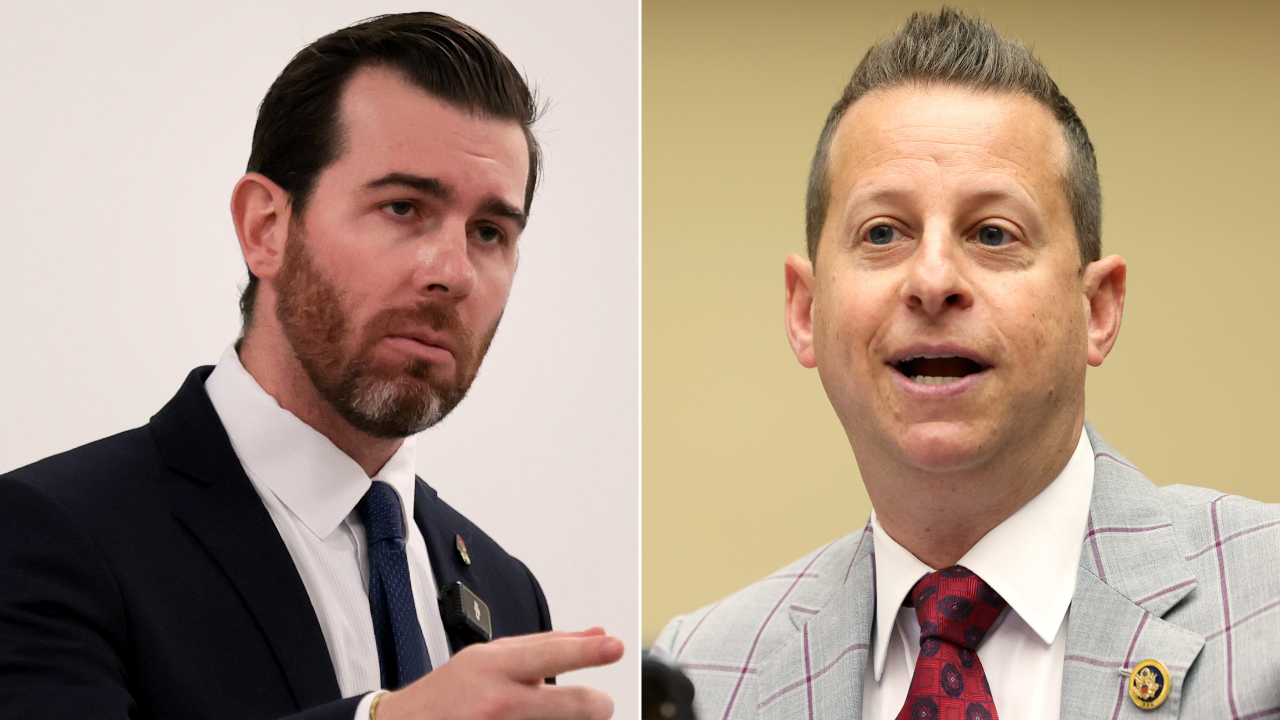
The American political landscape is once again defined by intense internal struggles and high-stakes contests. The Democratic Party is experiencing a particularly turbulent period, with a civil war that is set to play out in primaries across Florida, Alaska, and Wyoming. These aren’t just routine election cycles; they are battlegrounds where the soul of the party is being contested between its more moderate establishment wing and a fiery, left-wing insurgency. The outcome of these races will not only determine who holds the party’s standard in the general election but will also send a powerful signal about the direction the party is heading as it tries to navigate a deeply divided electorate. The sense of urgency is palpable, as these internal battles are not just about ideology but about the very strategy needed to win back the House of Representatives. It is a fight where the passion of the progressive base clashes with the calculated pragmatism of those who believe victory lies in the center, creating a narrative of betrayal, ambition, and hope that will resonate far beyond the primary polling places.
This political turbulence is mirrored by a series of explosive stories that have captured the nation’s attention, revealing deep fissures in American institutions and culture. A major university finds itself in the grip of a scandal involving an alleged massive fraternity house cocaine ring, shaking the campus and raising uncomfortable questions about privilege and accountability. Meanwhile, a seemingly simple incident involving t-shirts with the message “XX-XY” has ignited a firestorm, with a Georgia woman claiming a security guard was oblivious to why the message was “offensive.” This incident highlights the hypersensitive and often confusing cultural battlegrounds that have emerged, where biological sex and gender identity have become lightning rods for conflict. The story underscores a fundamental clash of worldviews, where symbols and language are heavily laden with meaning, and where the simplest of human interactions can become a national debate about values, tolerance, and the very definition of reality. These culture war skirmishes are not isolated; they are the front lines of a larger war over the country’s moral and philosophical foundation, where every incident becomes a proxy for a much deeper and more consequential argument.
On the international stage, the rhetoric is heating up with an unmistakable edge of ultimatum. A key figure has delivered a stark message to Hamas, demanding they disarm or face the full backing of the United States for Israel to “finish the job.” This is not subtle diplomacy; it’s a hardening of positions that threatens to re-shape the Middle East. The language used indicates a decisive shift, suggesting that the current path of conflict may be reaching a point of no return, with potentially devastating humanitarian and geopolitical consequences. This aggressive posture is a direct response to a complex and volatile situation, reflecting a deep-seated frustration with the status quo and a willingness to use military might to achieve a decisive outcome. The international community watches with bated breath, fully aware that these words are more than just rhetoric; they are a prelude to potential action that could have ripple effects across the globe, impacting everything from oil prices to global security alliances.
Back home, the legal and political battles over individual rights and government oversight are heating up. A California gun-rights battle has delivered a significant victory for applicants who have been stuck waiting for permits in Los Angeles, a “win” that challenges the bureaucratic delays many see as an infringement on their Second Amendment rights. At the same time, elite universities are facing a Pentagon audit over their foreign research partnerships, raising “red flags” about national security and the potential for knowledge transfer to strategic adversaries. These issues, on the surface, seem distinct, but they are part of a broader public debate about the proper role of government and the balance between security, liberty, and institutional integrity. The question of how far the state can go to regulate individual conduct versus its duty to protect its citizens and secrets is at the very heart of these legal and political skirmishes. Each court ruling and congressional hearing on these matters is a small battle in the larger, ongoing project of defining America’s identity in a post-truth, hyper-connected world.
The world of media and entertainment is also not immune to the cultural and political fray. ESPN host and TV legend Oprah Winfrey are making waves by distancing themselves from former colleagues, vowing to “never speak” to the president of the NABJ and washing her hands of any association with Dr. Phil and Dr. Oz. These public repudiations and severed ties reveal a personal calculus in an era where association with certain figures can be a professional liability. The media landscape is clearly becoming more curated and cautious, as public figures navigate the minefield of public opinion. They are not just making personal decisions; they are making strategic choices about their brand and legacy in a world where every past association can be dug up and weaponized. These stories offer a peek behind the curtain, showing how the decisions made in Hollywood and newsrooms are increasingly influenced by the same tribal loyalties and ideological purity tests that are shaping politics, creating a feedback loop that further polarizes the public conversation.
Amidst the political turmoil and cultural clashes, there are still pockets of simple human interest and lighthearted distraction. From a “fancy feast” that reinvents the humble hot dog with caviar and edible gold for a hundred dollars, to a Utah-born soda chain finding surprising growth outside its home state, the news is not solely doom and gloom. A boy’s discovery of an ancient predator’s tooth on a New Jersey beach serves as a fantastic reminder of the wonders that can be found in our own backyards, connecting us to a deep and mysterious history. Even the American Culture Quiz offers a moment of levity, testing knowledge on summer splurges and basketball brilliance. These stories are a vital part of the national tapestry, providing a sense of continuity and shared experience. They are a reminder that while the political and ideological battles are fierce, the country is also a place of simple pleasures, quirky discoveries, and everyday people doing remarkable things. They offer a respite, allowing readers to take a breath and remember that the nation is far more complex and colorful than the often-confrontational headlines suggest.