


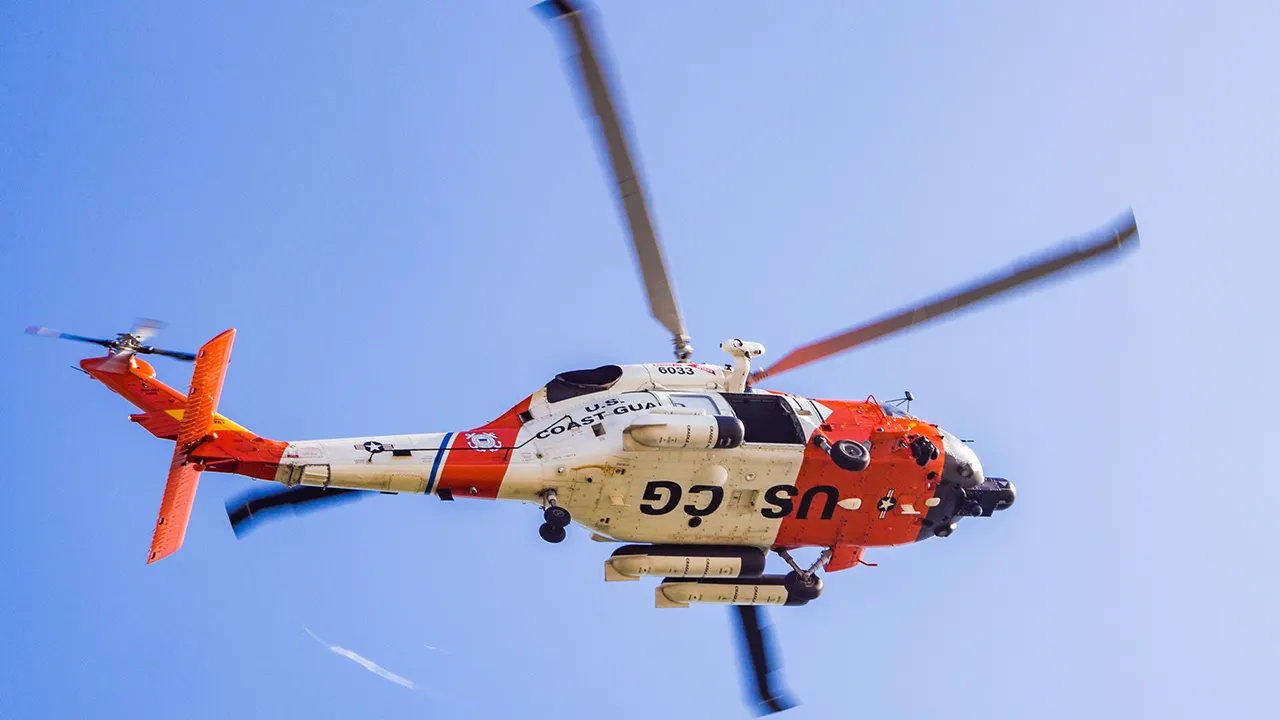
The vast, rugged, and untamed wilderness of Southeast Alaska serves as both a breathtaking backdrop and an exceptionally challenging arena for the brave men and women of the United States Coast Guard. On a cool, promising Monday morning in Sitka—a pristine coastal community surrounded by towering, snow-dusted peaks and deep, icy marine waterways—four dedicated crew members climbed aboard their MH-60 Jayhawk helicopter. This flight was intended to be a routine training mission, a vital part of the rigorous, endless cycle of preparation that allows these guardians of the sea to maintain their sharp edges and save others when disaster strikes. The Jayhawk, a robust and iconic symbol of search-and-rescue aviation, lifted off with its rotors slicing through the crisp northern air, carrying the crew on what seemed to be just another standard operational run. However, the inherent dangers of aviation in such a harsh climate soon made themselves known in a sudden, heart-stopping moment, as the aircraft went down in a sparsely populated, heavily forested area near the base of Harbor Mountain. The peaceful hush of the Alaskan wilderness was instantly shattered by the violent impact of metal against earth, turning a routine exercise into a desperate, real-life fight for survival and leaving the helicopter crippled on the rugged mountainside.
In the immediate aftermath of the crash, the emergency response systems of the Coast Guard sprung into swift, decisive action, demonstrating the incredible organization and deep brotherhood of the military community. At the Arctic District command center, watch standers—the quiet professionals who monitor the vast, cold expanses of the northern skies and waters—received the harrowing report of the downed helicopter shortly after 10:00 a.m. When an aircraft goes missing or crashes, every single second is a precious commodity, and a wave of intense focus washed over the command center as watch standers worked diligently to coordinate emergency services. Realizing the gravity of the situation, rescue crews from Sitka Fire and Rescue were mobilized instantly, rushing toward the coordinates near the imposing shadow of Harbor Mountain. Arriving at the scene around 11:00 a.m., these local first responders braved the challenging terrain, navigating dense thickets, steep slopes, and unpredictable wilderness paths with a singular mind. These savers of lives were now on a mission to save the saviors themselves, driven by an unspoken promise of community and duty, transforming a rainy Monday morning into a localized epic of courage and rescue.
The journey from the wreckage of Harbor Mountain to the Mt. Edgecumbe Medical Center was filled with immense tension, but it ultimately culminated in a wave of profound relief that swept through the entire state of Alaska and the wider military family. In the grim statistics of aviation, helicopter crashes in remote, mountainous terrain rarely yield happy endings; all too often, they result in devastating loss. However, as the medical team began to evaluate the four injured crew members, a near-miraculous reality came to light: remarkably, no deaths were reported in connection with the horrific crash. Rear Admiral Bob Little, the commander of the Coast Guard’s Arctic District, later voiced the intense, emotional relief felt by the entire organization, stating how incredibly grateful they were that the crew members survived with only minor injuries. This statement was more than just a formal military update; it was a sigh of relief from a leader who knows the heavy human cost of duty and the fragility of life. The survival of the crew is a testament not only to the crashworthiness of the MH-60 Jayhawk and the rigorous survival training of the Coast Guard but also to a profound stroke of luck that spared four families from receiving the most devastating news imaginable.
With the crew safely in the care of medical professionals, the focus of the Coast Guard has naturally shifted to the painstaking work of figuring out exactly what went wrong high above the trees of Sitka. As of now, the cause of the sudden crash remains shrouded in mystery, and the incident is the subject of an active, highly detailed investigation by military aviation experts. Investigating a crash is a deeply human endeavor; it is not just about dissecting twisted metal and analyzing flight data recorders, but about honoring the trust that future crews place in their aircraft. Every piece of debris recovered from the slopes of Harbor Mountain will be examined to ensure that any mechanical vulnerability or systemic issue is identified and corrected, transforming a frightening accident into a lesson that will keep future aviators safe. For the pilots and crew members who fly these missions, the investigation represents a path toward answers and a way to rebuild confidence. Flying in Alaska requires a unique level of grit, and understanding the “why” behind this crash is a crucial step in helping the aviation community process the collective trauma of the event and prepare to take to the skies once again.
The miraculous survival of the Coast Guard crew in Alaska stands out as a powerful ray of hope during what has been a deeply heartbreaking and tragic month for the broader aviation community across the United States. Just days before the incident in Sitka, a dark shadow was cast over the skies when a series of fatal aircraft accidents claimed numerous lives and left families across several states mourning unimaginable losses. In Texas, a quiet evening was shattered when a business jet crashed onto a highway in Laredo, erupting into flames and resulting in a tragic fatality that served as a stark reminder of the fragile line between a routine trip and a disaster. Only days prior, on June 15th, a massive B-52 bomber crashed during a high-stakes test flight at Edwards Air Force Base in California, taking the lives of all eight highly skilled service members on board and sending shockwaves through the military. Prior to that, in Missouri, an outing that was meant to be filled with the joy of skydiving ended in absolute horror when a plane crashed near an airport, claiming the lives of twelve skydivers and their pilot. Amidst such a devastating backdrop of loss and grief, the fact that four people walked away from a helicopter crash on an Alaskan mountain is a reminder of how precious and unpredictable life truly is.
Ultimately, the story of the crashed MH-60 Jayhawk near Harbor Mountain is a deeply moving narrative about human resilience, the strength of community, and the profound power of hope. It highlights the unbreakable bond between the military personnel who risk their lives to keep us safe and the local communities, like Sitka, that stand ready to catch them when they fall. In an era where news is so often defined by tragedy and statistics, this event serves as a gentle reminder of the human hearts beating behind the headlines—the anxious families, the dedicated rescue workers, and the brave young crew members who will carry the memory of this day for the rest of their lives. As these four individuals begin their journey of physical and emotional healing, they do so wrapped in the warmth of a community that celebrated their survival as if they were their own children. Their story is a beautiful reminder that even in the most remote corners of the earth, amidst the harshest terrains and the coldest winds, the warmth of human connection and the triumph of survival can still shine through the darkest clouds, giving us all a reason to look to the skies with renewed hope.