

Tragedy in Montreal: Fatal Shootout Leaves Police Officer and Civilian Dead, Sparking Search for Answers
The Anatomy of a Tragedy on Montreal’s Streets
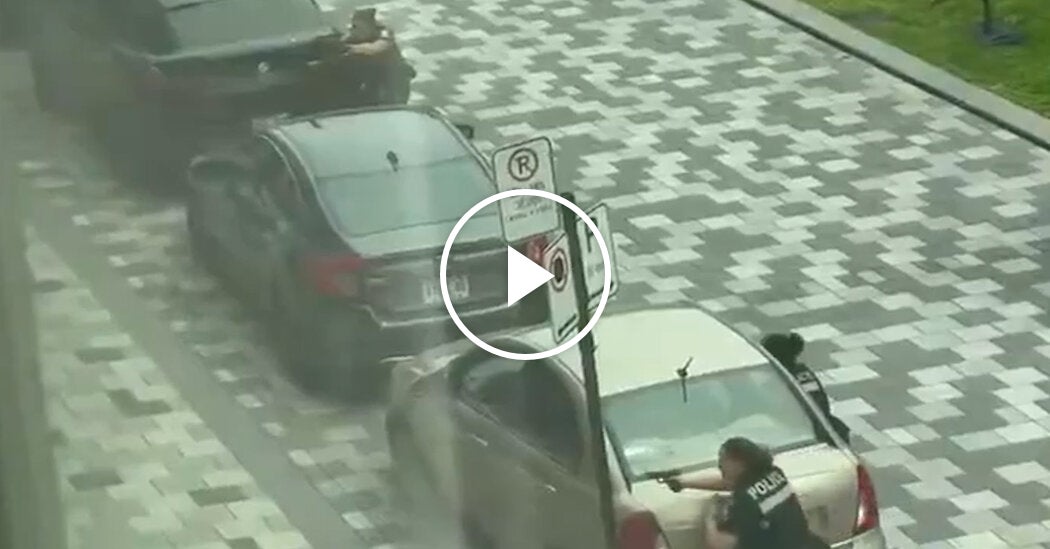
The peace of a typical Monday was shattered by a sudden and violent exchange of gunfire on the streets of Montreal, leaving a community reeling and a police department in deep mourning. What began as a rapid response to an emergency call quickly deteriorated into a deadly tactical confrontation, resulting in the worst-case scenario for Quebec law enforcement: a veteran police officer killed, a civilian caught in the fatal crossfire, and another patrol officer wounded. Emergency sirens echoed through the metropolitan sector as tactical units blockaded streets, transforming a familiar urban neighborhood into a high-perimeter crime scene cordoned off by yellow tape and flashing red and blue lights. Paramedics rushed to the scene under heavy guard to treat the wounded, while shocked onlookers watched from behind distant barricades, trying to make sense of the rapid succession of gunshots that had disrupted their daily routine. The immediate terror of the confrontation, which unfolded with terrifying speed, underscored the inherent, unpredictable dangers faced by frontline personnel who respond to calls without knowing if they will return to their families at the end of their shift. In the chaotic hours that followed the exchange of fire, medical teams worked frantically, but for one dedicated officer and an unidentified civilian, the injuries sustained proved insurmountable, leaving a community and a police force to grapple with an immediate, profound sense of loss.
A Force Fractured by Grief: Mourning a Respected Colleague
“It’s a very, very sad day. It’s a nightmare,” expressed a visibly shaken spokesperson from the local police service, reflecting the raw, collective grief of an entire department operating under a cloud of disbelief. The fallen officer was remembered not merely as a badge number, but as an exceptionally dedicated public servant who possessed immense credibility, passion, and an unwavering commitment to the safety of the municipality. The profound loss has sent shockwaves through the ranks of Canadian law enforcement, where colleagues described him as a mentor and a pillar of professionalism whose absence leaves an irreplaceable void. To lose a peer in such a violent, abrupt manner is a nightmare realized for police officers, who must balance their personal bereavement with the ongoing institutional responsibility of keeping the public calm. Even as leadership sought to reassure the anxious populace that the immediate threat had been neutralized and the neighborhood was once again safe, the operational atmosphere at headquarters remained somber, filled with silent tributes, lowered flags, and the difficult realization that one of their finest would never walk through the precinct doors again.
Bureaucracy of Truth: Inside the Multi-Jurisdictional Investigation
The forensic search began almost immediately after the neutralization of the threat, initiating a complicated, multi-jurisdictional active shooter investigation aimed at reconstructing the precise timeline of the shootout. In keeping with standard provincial protocols, independent investigators were called in to ensure objectivity and transparency, systematically documenting the trajectory of every round fired and examining the recovered firearms. Forensic technicians in white suits meticulously combed the pavement for physical evidence, numbering shell casings, analyzing blood spatter patterns, and reviewing hours of high-definition closed-circuit television footage from nearby commercial establishments. Yet, even as physical evidence is cataloged and witness statements are compiled, the defining question hovering over the entire investigation remains the suspect’s motive, an elusive piece of the puzzle that authorities are desperately trying to solve. Investigators are digging deep into the suspect’s background, analyzing digital footprints, financial records, and personal associations to understand what precipitated such an extreme level of hostility against responding officers, hoping that a clear motive will provide some measure of closure to a bewildered public and a grieving family.
Echoes of Violence: Montreal’s Struggling Relationship with Gun Safety
This tragic Canadian police shooting does not occur in a vacuum; rather, it amplifies ongoing anxieties regarding the perceived escalation of illegal firearms and violent crimes within urban centers across the country. Local safety advocates and neighborhood watch groups have voiced growing concern over how quickly routine domestic or street-level disputes can transition into deadly shootouts, transforming peaceful public spaces into active crime scenes. For the residents who live near the cordoned-off streets, the trauma of hearing rapid gunfire outside their windows is a visceral reminder that systemic violence can strike anywhere, regardless of a neighborhood’s socioeconomic stability. Community centers and local mental health organizations have quickly mobilized to offer counseling resources to traumatized citizens, recognizing that the psychological healing process for the neighborhood will extend far beyond the removal of emergency vehicles and police tape. This latest Montreal shootout forces a difficult conversation about urban security, community policing strategies, and the collective susceptibility of modern cities to sudden acts of extreme violence.
Executive Regret and the Political Demands for Reform
The tragic incident immediately drew reactions from the highest levels of municipal and provincial government, as political leaders expressed their deep condolences while promising concrete measures to address the root causes of undercurrent violence. Public officials, including the mayor and provincial dignitaries, released statements praising the valor of the responding officers while calling for a renewed national dialogue on gun control and the illicit trafficking of firearms across international borders. These political responses highlight a growing friction between demands for stricter legislative oversight on weapons and the practical need to equip the Montreal police department with the tactical resources necessary to combat highly armed suspects. Police unions and advocacy groups have seized upon this tragedy to demand better institutional support, increased funding for specialized mental health units, and enhanced protective gear for patrol officers who find themselves on the frontlines of increasingly volatile situations. As the debates intensify in the legislative halls, the collective call from all sides of the political spectrum remains clear: there must be a coordinated, bipartisan effort to prevent such catastrophic losses of life from becoming a recurring feature of municipal life.
The Long Road to Recovery: Honoring the Fallen and Rebuilding Trust
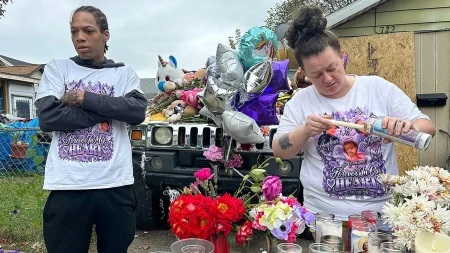
As Montreal begins the slow, painful journey toward recovery, the focus inevitably shifts to honorably memorializing the fallen officer and providing support to the family of the civilian victim whose life was so abruptly cut short. Plans for a full-decorum police funeral are already underway, an event that will undoubtedly draw thousands of law enforcement officers from across Canada and North America to stand in silent, dignified solidarity. This communal mourning serves not only to pay tribute to a heroic individual who made the ultimate sacrifice but also to reinforce the collective resolve of a city determined not to be defined by a singular act of violence. True healing, however, will require a sustained commitment to addressing the systemic issues exposed by this tragedy, ensuring that justice is served through a thorough, transparent investigative process. In the days and weeks ahead, Montrealers will continue to lay flowers near the site of the shootout, lighting candles in the dark as a testament to their resilience and their shared hope that from the depths of this nightmare, a safer, more unified community will eventually emerge.