





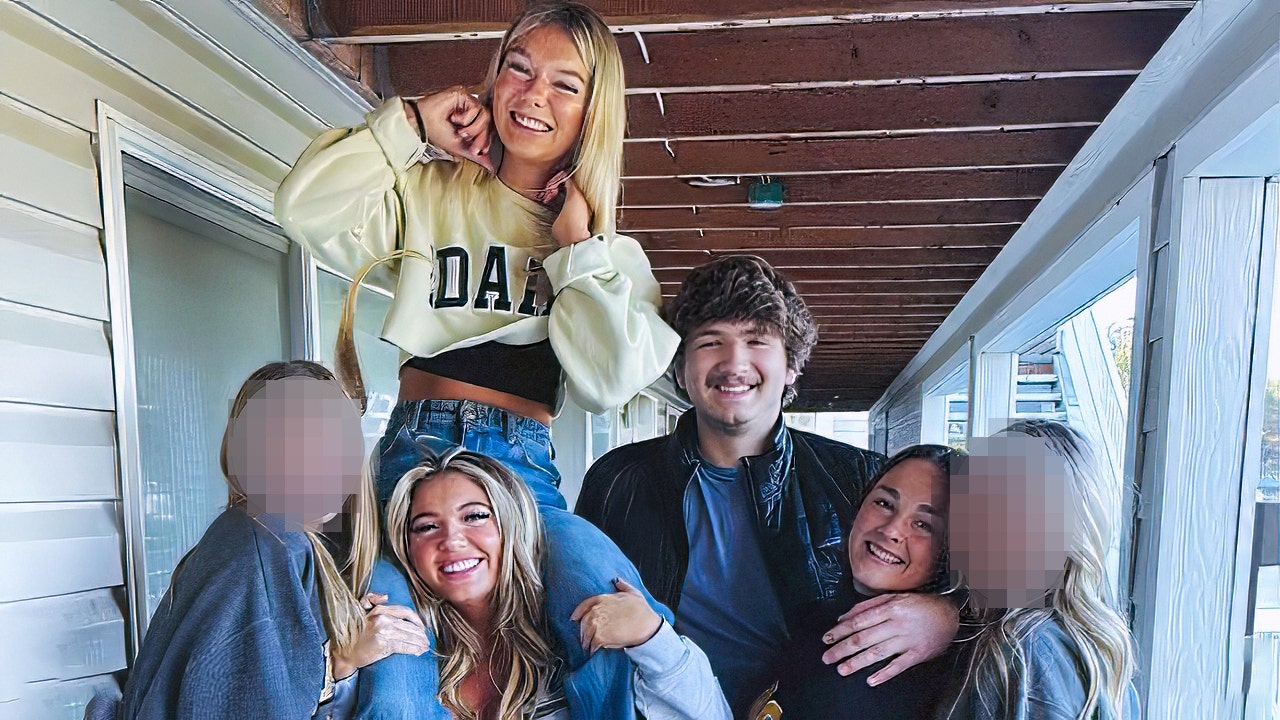
The tragic events of November 13, 2022, in the quiet college town of Moscow, Idaho, forever altered the lives of many, leaving a community and a nation grappling with a senseless act of violence. Recently, the profound human cost of this tragedy was brought back into painful focus as the Ada County court unsealed the highly anticipated autopsy reports of the four young victims: Kaylee Goncalves, Madison Mogen, Xana Kernodle, and Ethan Chapin. This legal milestone followed a change of venue requested by their killer, Bryan Kohberger, shifting the case’s administrative epicentre but doing nothing to diminish the raw grief of the families involved. These unsealed documents, though devoid of graphic photographs, offer a devastatingly intimate look at the final moments of four vibrant university students whose futures were stolen in an instant. By revealing the clinical realities of what occurred in the off-campus home, the reports transition the narrative from abstract courtroom procedures back to the tangible, deeply missed humanity of the victims, reminding the public of the fragile lives behind the headlines.
The post-mortem examinations, meticulously conducted by Dr. Veena Singh, the chief medical examiner of Spokane, outline a harrowing sequence of events that took place under the cover of darkness around 4:00 a.m. Dr. Singh’s findings confirm that all four students died from multiple sharp-force injuries, enduring what she described as a “high degree of pain and/or suffering” during the assault. This clinical terminology translates to an unimaginable human nightmare, especially considering that three of the four young people were sound asleep when the attack began, defenseless in what should have been the safety of their beds. The autopsy reports indicate that the wounds were entirely consistent with a Ka-Bar Full Size U.S. Marine Corps Fighting Knife, a military-grade weapon designed for maximum damage. Dr. Singh noted that different parts of this single, heavy blade likely caused varying types of injuries across the victims, illustrating the sheer brutality and relentless nature of the assault that cut these promising young lives short.
Among the most heartbreaking details revealed in the unsealed files are the specific struggles of Kaylee Goncalves and Xana Kernodle, which paint a picture of terror and desperate resistance. Kaylee, a bright 21-year-old on the cusp of graduation, not only suffered fatal sharp-force trauma but also bore blunt-force injuries to her face, along with unmistakable signs of asphyxia. The examiner noted that an unidentified object appeared to have been used to forcefully cover her mouth, suggesting a cruel attempt to silence her cries for help as she fought for her life. Meanwhile, 20-year-old Xana Kernodle was revealed to be the only victim who was awake and out of bed when the killer struck. Her autopsy detailed severe defensive wounds on her hands and arms, a heartbreaking indicator that she actively fought back against her attacker in the dark hallway or bedroom, demonstrating a level of courage and survival instinct that makes her loss all the more devastating to those who knew and loved her.
The forensic puzzle that eventually led to an arrest began at the very scene of these horrific struggles, where investigators found a crucial piece of physical evidence that the killer left behind in his haste. On the bed beside the bodies of lifelong best friends Kaylee Goncalves and Madison Mogen lay a leather Ka-Bar knife sheath, which modern forensic technology later revealed carried trace amounts of DNA belonging to Bryan Kohberger. At the time of the mass murder, Kohberger was a Ph.D. student studying criminology at neighboring Washington State University in Pullman, living only ten miles away from the crime scene. Law enforcement officers utilized pioneering investigative genetic genealogy to construct a family tree from the DNA found on the sheath, leading them directly to Kohberger, who was subsequently monitored and arrested on December 30, 2022, at his family home in Pennsylvania, bringing a brief sense of security back to the terrified Moscow community.
In a legal system that often moves slowly, the path to justice took a decisive turn when Kohberger ultimately chose to plead guilty. Facing the very real prospect of death by an Idaho firing squad, the former criminology student surrendered his right to a trial in exchange for a guaranteed life behind bars, a move that spared the victims’ families the additional trauma of a lengthy, public trial detailing the gruesome finer points of their children’s deaths. He is currently serving four consecutive life sentences without the possibility of parole, plus an additional ten years, ensuring he will never again walk free. This swift finality brought a somber, muted sense of closure to a case that had gripped the nation, highlighting the stark contrast between a man who academically studied the psychological mechanics of crime and the reality of his own cowardly submission to escape the ultimate penalty.
As Bryan Kohberger begins his permanent residency within the state penitentiary—marked already by his petulant complaints regarding the quality of prison food and alleged mistreatment by his fellow inmates—the focus of the world remains where it truly belongs: on the enduring memories of Kaylee, Madison, Xana, and Ethan. The unsealing of these autopsy reports, while painful, serves as a solemn reminder of the physical and emotional toll inflicted upon these young scholars and their shattered families. It reinforces the necessity of viewing this tragedy not as a sensationalized true-crime mystery, but as a profound human loss of four beloved individuals who deserved to grow, love, and leave their own marks on the world. Though the court documents lay bare the clinical details of their final moments, the true legacy of these four Idaho students lives on in the advocacy of their parents, the love of their friends, and a collective promise never to let the brutality of their end overshadow the warmth and light they brought to everyone around them.