






A Kingdom Unto Itself: The Disquiet and Despair of a Nation as Keir Starmer Steps Down
With Downing Street in transition yet again, weary Britons demand democratic substance and enduring stability over the illusion of a fresh face in high office.
The Breaking Point at Westminster: Inside Starmer’s Abrupt Departure
               ┌───────────────────────────────────────┐
               │    THE DOWNING STREET CAROUSEL        │
               ├───────────────────────────────────────┤
               │  2016: David Cameron (Resigned)       │
               │  2019: Theresa May (Resigned)         │
               │  2022: Boris Johnson (Resigned)       │
               │  2022: Liz Truss (Resigned)           │
               │  2024: Rishi Sunak (Defeated)         │
               │  2026: Keir Starmer (Resigned)        │
               └───────────────────────────────────────┘
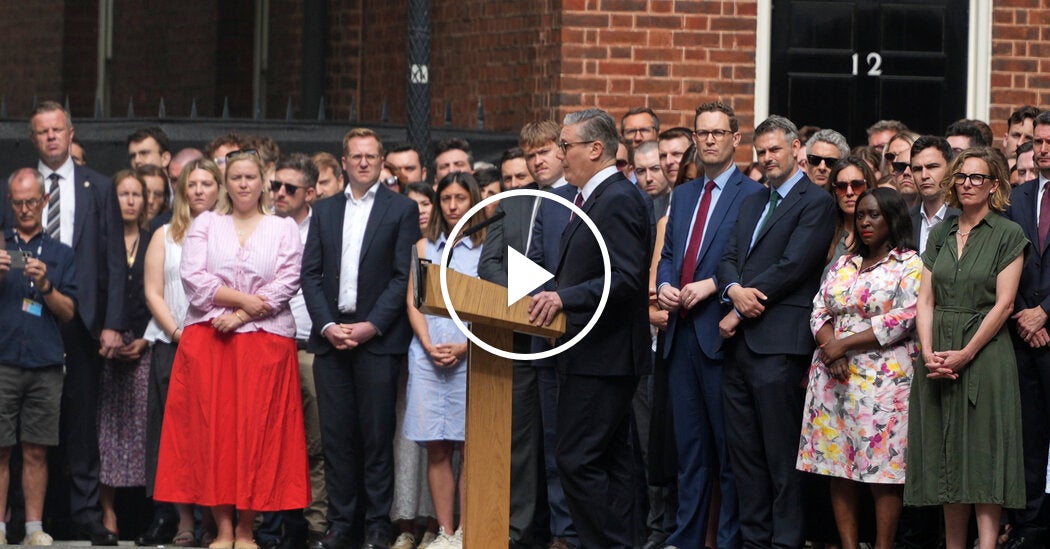
The rain-slicked cobblestones of Downing Street have once again played host to a modern British tradition: the premature departure of a prime minister. On a somber June morning, Keir Starmer stood before the cameras, his voice carrying the weight of a fractured party and an increasingly impatient electorate, to announce his resignation as leader of the Labour Party and Prime Minister of the United Kingdom. For observers of Westminster, the announcement marked the dramatic culmination of months of intense internal dissent, shifting policy agendas, and a stubborn cost-of-living crisis that Starmer’s technocratic approach ultimately failed to subdue.
His rise to power had been built on a promise of competence, institutional restoration, and a return to quiet governance after the turbulent years of his predecessors. Yet, the harsh realities of governing a modern Britain beset by systemic economic headwinds, public sector decay, and persistent social divisions rapidly eroded his mandate. As Starmer delivered his final address, acknowledging that his tenure had hit an insurmountable wall of political paralysis, the atmosphere across the capital was not one of shock, but of quiet exhaustion. The swiftness with which his political authority dissolved underscores the unforgiving, hyper-accelerated nature of contemporary British politics, where prime ministers are increasingly treated as temporary custodians rather than enduring architects of national policy.
Voices from the High Street: A Nation Drowning in Cynicism
“It doesn’t matter. The situation doesn’t help. It’s just a new face, but the same.”
— A weary voter on the Westminster transition
Across the commercial centers, regional hubs, and suburban high streets of the United Kingdom, the public response to Starmer’s exit has been characterized by a profound, almost devastating apathy. For many ordinary citizens, the political theater unfolding in London feels entirely detached from the daily realities of keeping a household afloat. When asked about the Prime Minister’s decision to step aside, many Britons expressed a sense of weary inevitability, noting that Starmer’s departure was simply the logical conclusion to a premiership that had lost its momentum.
“I’m not surprised; I think he’s done the right thing by stepping aside and letting someone else take over,” remarked one shopper in a busy northern England market square, capturing a sentiment shared by many who felt the administration had grown inert. Yet, beneath this desire for a fresh start lies a deeper, more troubling disillusionment. Many voters openly question whether a change of personnel at the top will yield any tangible improvements in their lives. The overwhelming consensus on the street is that a revolving door at 10 Downing Street has done nothing to repair broken public services or alleviate the financial pressures squeezing the middle class. “It’s just another day, another leader,” muttered another passerby, embodying a widespread cynicism that views Westminster not as the engine of public progress, but as an insulated bubble preoccupied with its own survival.
   TYPICAL BRITISH STREET SENTIMENT (JUNE 2026)
   ┌────────────────────────────────────────────────────────┐
   │ [Apathy] ──────────────────────────► "Another day,      │
   │                                     another leader."   │
   │                                                        │
   │ [Despair] ─────────────────────────► "The country isn't│
   │                                     where it should be"│
   │                                                        │
   │ [Anxiety] ─────────────────────────► "Out of the       │
   │                                     frying pan..."     │
   └────────────────────────────────────────────────────────┘
Decades of Disrupted Governance: The Crisis of British Political Stability
To understand the profound weariness of the British public, one must view Starmer’s resignation through the lens of a highly unusual decade in British political history. Historically celebrated for its constitutional stability, predictable electoral cycles, and steady transitions of power, the United Kingdom has transformed into a global spectacle of executive volatility. The steady stream of prime ministers entering and exiting Downing Street over the last ten years has completely broken the traditional rhythm of British governance. This high turnover has severely degraded the nation’s capacity to execute long-term strategic projects, rebuild depleted public services, or draft stable economic policy.
As one voter acutely observed, “We’ve had many changes of prime ministers in recent years, which is very unusual for the U.K. We really need stability and someone who is going to get on and meet those challenges head-on.” Instead of decisive leadership, the country has endured a series of temporary administrations that are perpetually in crisis-management mode, leaving civil servants, local authorities, and foreign allies struggling to navigate a shifting landscape of political priorities. This chronic volatility has undermined the very foundation of public trust in democratic institutions, leaving the electorate with the unsettling realization that their government is caught in an endless cycle of self-preservation rather than national progress.
              CHRONIC GOVERNANCE VOLATILITY

              Traditional UK Model (Pre-2016):
              ┌───────────────────────┐
              │ Long-Term Planning    │ ──► Stable Policy Execution
              └───────────────────────┘

              Modern UK Model (2016-Present):
              ┌─────────┐   ┌─────────┐   ┌─────────┐
              │ Crisis  │ ─►│ Leader  │ ─►│ Collapse│ ──► Short-Term Churn
              └─────────┘   └─────────┘   └─────────┘
The Specter of a Coronation: Andy Burnham and the Fight for Labour’s Soul
                    PROSPECTIVE SUCCESSION
                    ┌────────────────────┐
                    │   ANDY BURNHAM     │
                    ├────────────────────┤
                    │ • Mayor of G.M.    │
                    │ • "King of North"  │
                    │ • Regional Icon    │
                    └─────────┬──────────┘
                              ▼
                 WESTMINSTER CORONATION CORRIDORS
                 (Is a contested vote healthy?)
Even as Starmer prepares his departure, the political vacuum is already being filled by intense speculation surrounding his successor, with Andy Burnham, the high-profile Mayor of Greater Manchester, emerging as the heavy favorite. Burnham has long positioned himself as a champion of regional devolution, earning national prominence for his vocal defense of northern communities against what he describes as “Westminster-centric” neglect. However, the prospect of his rapid ascent to the prime ministership has sparked a fierce debate about democratic legitimacy within the party. Many voters and political commentators are voicing concerns that Burnham’s path to the leadership could resemble a choreographed coronation rather than a transparent, contested primary.
“It appears to be a foregone conclusion that Andy Burnham is going to become prime minister,” noted one observer, warning that bypassing a robust national debate would be unhealthy for the country’s democratic culture. A contested leadership battle is widely seen as a necessary pressure valve that would force candidates to pitch concrete solutions to Britain’s economic and social crises. If the Labour Party establishment pushes through a candidate without a rigorous internal contest, it risks alienating the electorate further, reinforcing the damaging perception that the nation’s leadership is decided by behind-the-scenes deals in Westminster corridors rather than through a public demand for reform.
‘Out of the Frying Pan’: The Perils of Superficial Leadership Transitions
           THE INCOMING PREMIER'S INBOX OF CRISIS
           ┌──────────────────────────────────────┐
           │ 1. NHS Hospital Waiting Times        │
           │ 2. Public Sector Wage Disputes       │
           │ 3. Stagnant Productivity Growth      │
           │ 4. Broken Regional Infrastructure    │
           └──────────────────────────────────────┘
The skepticism trailing Burnham’s potential premiership highlights a broader public anxiety that replacing the leader does not address the fundamental, structural decay running through British society. The vivid metaphor of jumping “out of the frying pan and into the fire” is frequently invoked by a public that has learned to associate leadership changes with worsening instability. This caution is well-founded: the structural challenges facing the next Prime Minister are monumentally complex and cannot be resolved by a mere change in style.
The National Health Service (NHS) remains crippled by staffing crises and historic backlog times; public sector workers remain caught in unresolved disputes over pay and working conditions; and national productivity growth continues to hover at historic lows. A new prime minister may bring a fresh communications strategy and a temporary bump in the polls, but they will inherit the exact same fiscal constraints and societal divisions that crippled Starmer’s administration. Without a fundamental shift in how the state invests in its people, infrastructure, and regional economies, any new prime minister is likely to find that their initial goodwill evaporates quickly, leaving them as vulnerable to public anger as the leader they replaced.
The Long Path to National Renewal
Ultimately, the resignation of Keir Starmer stands as a stark warning about the limits of performance-based politics in an era of deep national crisis. The persistent feeling that “the country isn’t where it should be” is a profound indictment of a governing system that has consistently chosen short-term political maneuvering over the hard, long-term work of systemic reform. For Britain to break out of this cycle of perpetual transition and restore its national standing, its political class must move beyond the transactional mindset of winning the next news cycle or party conference.
True stability will not be achieved by simply putting a new face on the same tired policies, nor will it come from a choreographed crown-passing within party headquarters. It requires a renewed focus on transparent governance, an authentic commitment to regional investment, and a willingness to confront structural challenges with honest, long-term strategies. As the nation prepares to welcome its next prime minister, the most urgent question facing Westminster is not who will occupy Downing Street next, but whether they have the political courage to rebuild a battered democracy and restore the public trust that has been so consistently compromised.
   ROADMAP FOR RECOVERY
   ┌────────────────────────┐     ┌────────────────────────┐
   │   SYSTEMIC REFORM      │ ──► │  RESTORING STABILITY   │
   ├────────────────────────┤     ├────────────────────────┤
   │ • Devolution of Power  │     │ • Consistent Policy    │
   │ • Long-Term Investment │     │ • Rebuilt Institutions │
   │ • Democratic Contests  │     │ • Public Trust Renewal │
   └────────────────────────┘     └────────────────────────┘