





The ocean off Nantucket has become the focus of a tense and heartbreaking search. The United States Coast Guard is scouring the Atlantic for a missing Gulfstream G100 jet that vanished from radar early Saturday morning, carrying six people on a flight from Bermuda to Boston. The aircraft, a twin-engine, mid-size plane, disappeared off the coast of Nantucket, and both air and surface rescue crews have been deployed to the vast, cold waters of the North Atlantic in hopes of finding any trace of the plane or those aboard. The Federal Aviation Administration reported losing contact with the aircraft in the early hours, and a Search and Rescue Alert Notice was issued just after 1:20 a.m. Eastern Time. The news has sent a ripple of dread through the region, as authorities, families, and local communities wait anxiously for any update, clinging to hope in a situation where every passing hour feels both endless and urgent. The six people on board are not just statistics; they are someone’s family, friends, colleagues, and possibly patients in need of medical care. The stillness of Saturday morning was broken by the low hum of rescue planes and the rhythmic churn of patrol boats, all moving in coordinated patterns across the water, searching the horizon for something—anything—that might explain where the small jet disappeared.
The timeline of the flight reveals how quickly a routine trip can turn into a crisis. According to flight tracking data from FlightAware, the Gulfstream departed from Bermuda’s L.F. Wade International Airport at 11:41 p.m. Eastern Time on Friday night, beginning a journey that should have taken a few hours. The plane was bound for Boston, a route that crosses open ocean before reaching the Massachusetts coast, a stretch of water known for its unpredictability and harsh conditions. For just over an hour and a half, the flight appears to have proceeded without incident. Then, at approximately 1:20 a.m., the FAA lost contact with the aircraft, leading to the immediate issuance of a Search and Rescue Alert Notice. That notice, often used in aviation emergencies, effectively mobilized federal and local resources, transforming a quiet overnight flight into an all-hands-on-deck search effort. The exact circumstances surrounding the loss of contact remain unclear, and officials have been careful not to speculate. What is known, however, is that somewhere between the darkened skies over the Atlantic and the cold waters below, something went terribly wrong. The plane did not arrive in Boston, and the last known position was somewhere off the coast of Nantucket, an area now being combed by Coast Guard crews with every available tool at their disposal.
Perhaps the most poignant detail of this tragedy is the nature of the aircraft itself. The Canadian-registered Gulfstream G100 is owned by Latitude Air Ambulance, a medical transport company that specializes in bringing patients home from around the world when they require specialized care. This was not just any flight; it was likely a mission of mercy, one intended to carry someone in need of help to a place where they could receive treatment, comfort, and the support of loved ones. Latitude Air Ambulance operates a fleet of medically equipped aircraft designed to serve as flying intensive care units, staffed by pilots, medical professionals, and support crew who dedicate their careers to saving lives. The exact purpose of Saturday’s flight and the identities of the six people on board have not been publicly released, but the company’s mission statement paints a picture of compassion and urgency. For Latitude Air Ambulance, every flight is a lifeline. The aircraft that is now missing was likely carrying not only passengers but also medical equipment, medication, and the hopes of a family desperately awaiting the safe arrival of their loved one. The thought that such a journey of healing has become a disappearance is almost unbearable, and it underscores how fragile and unpredictable life can be, even when technology and expertise are on your side.
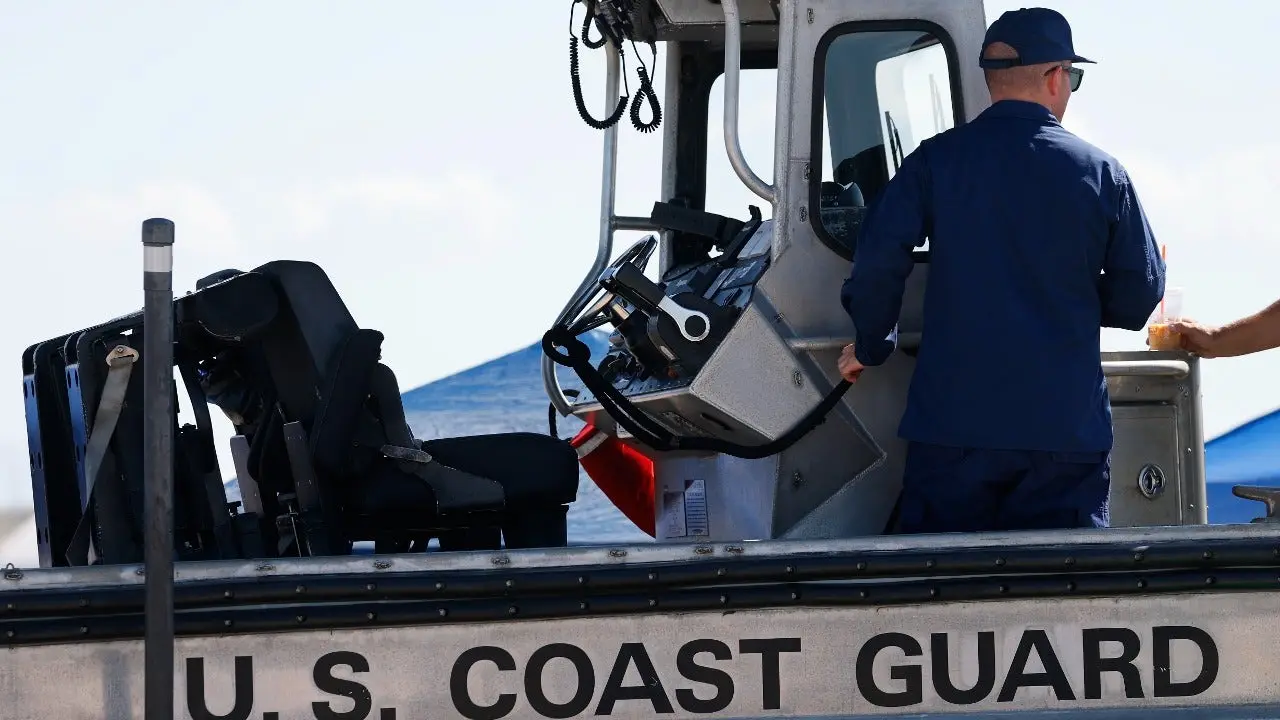
The search effort itself is a massive and complex operation, involving multiple agencies and resources. The Coast Guard’s Northeast District has taken the lead, deploying both air and surface crews to the waters off Nantucket. Rescue planes, helicopters, and cutters are systematically sweeping the search area, looking for debris, life rafts, or any sign of the missing aircraft. The search area is vast, and the Atlantic Ocean at this time of year is unforgiving—cold, dark, and capable of hiding wreckage for days, if not longer. The FAA, which initially lost contact with the plane, is coordinating with the Coast Guard, and the National Transportation Safety Board has also announced that it is gathering information about the incident, though officials have declined to provide details while the search is ongoing. For the families of the six people on board, this wait must be excruciating. Every call, every alert, every update from authorities carries the weight of possibility. Search and rescue operations are measured in minutes and hours, and the longer the search continues, the more somber the tone becomes. Yet the crews remain committed, driven by the hope that they will find survivors, and by the understanding that every search, no matter how grim, is driven by the fundamental need to bring closure to those who are waiting.
There is a broader human story here, one that extends far beyond the technical details of radar tracking and aircraft specifications. Whenever a plane disappears over the ocean, it reminds us of the inherent risk and mystery of flight. We see airplanes every day, crossing the skies with effortless grace, and we rarely stop to consider the tremendous coordination, skill, and luck required to keep them safe. The Gulfstream G100 was a powerful machine, designed for speed and efficiency, but it was also just a small speck against the infinite blue of the Atlantic. The disappearance of this aircraft is also a reminder of the many unsung heroes who work in medical aviation—people who fly into storms, across borders, and over oceans to bring healing to strangers. They do this work quietly, without fanfare, and often without recognition. Their reward is the gratitude of families, the relief in a patient’s eyes, the knowledge that they have made a difference. Now, a plane from this quiet world of duty and service is missing, and the entire aviation and medical community is holding its breath. Social media has begun to fill with messages of hope and prayer from around the world, as people who have never met the passengers or crew feel a connection to their plight. In a moment of uncertainty, that collective empathy is a small light in a dark sky.
For now, the developing story remains one of search, hope, and unanswered questions. The Coast Guard has asked the public for any information that might assist in the search, and local communities along the coast are paying close attention to the news. The plane’s owner, Latitude Air Ambulance, has not yet released a statement, and the lack of information only deepens the anxiety. Authoritative confirmation of the plane’s fate may take days, and the families of the six people on board are left to wait, their emotions swinging between dread and fragile optimism. The search continues not just for a physical object, but for meaning—for an explanation of what happened in those final minutes, and for the people who were on board. As the sun rises over the Atlantic and the rescue crews push farther out to sea, the rest of us are reminded to hold our loved ones a little closer. We may never know fully what transpired on that flight from Bermuda to Boston, but we can honor the missing by carrying their story with us, by supporting their families in prayer, and by never forgetting that behind every radar ping and flight plan is a human heart. The Atlantic Ocean has held many secrets, and it does not surrender them easily, but the men and women searching those waters will not give up. Neither should we.