


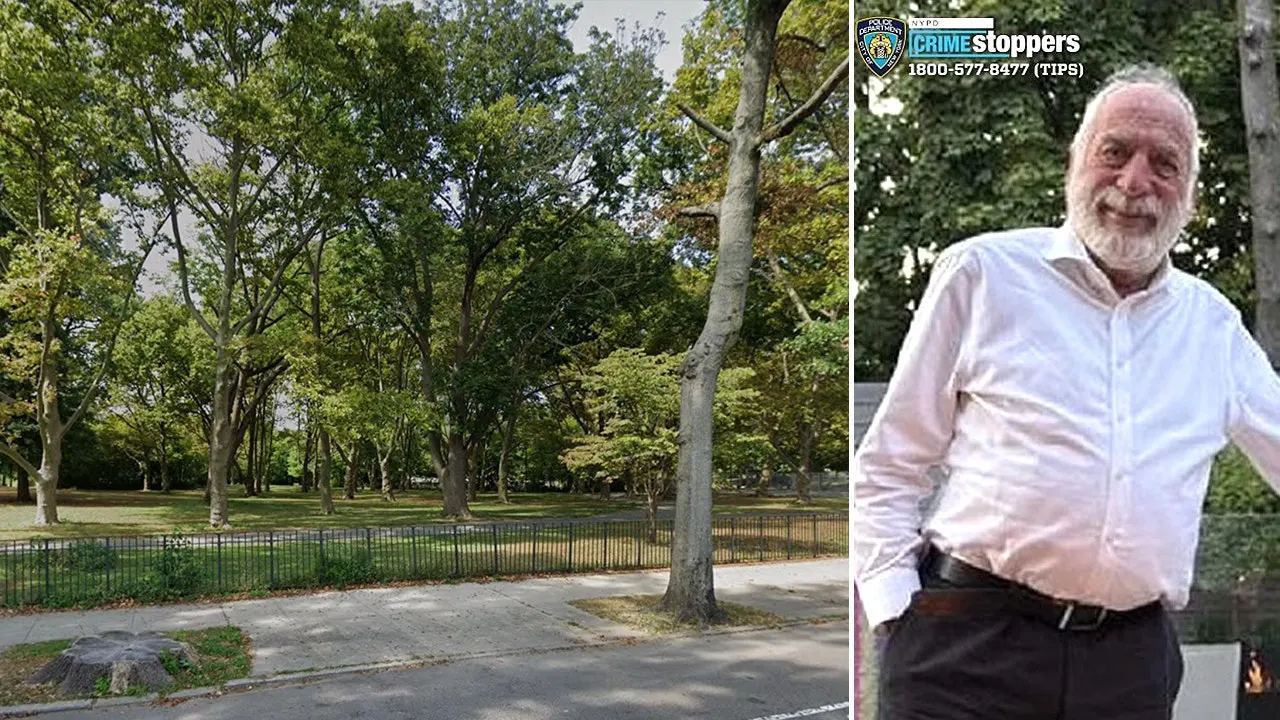
The tranquil, willow-lined shores of Kissena Lake in Queens, New York, have long been cherished as a peaceful haven where local residents seek a momentary escape from the relentless, grinding hustle of metropolitan life. On any given afternoon, this scenic urban park is filled with the gentle, comforting sounds of children playing, joggers pacing the paved paths, and elderly neighbors sitting quietly on park benches to soak in the afternoon sun. However, this idyllic sanctuary was shattered into a scene of unimaginable horror on a recent Monday afternoon when police officers discovered the lifeless body of 75-year-old Albert Itzkowitz along the natural shoreline of the lake. Found just before 5:00 p.m. with multiple devastating gunshot wounds, the elderly man’s sudden, violent end has sent profound shockwaves through this quiet residential enclave and left seasoned investigators scrambling to piece together a chaotic puzzle. By Thursday, the New York Police Department had officially ruled his death a homicide, confirming the community’s worst fears: a predator had violently targeted a defenseless senior citizen in broad daylight within a public recreation area. The sheer brutality of the act, committed in a space designated for peace, contemplation, and community recreation, has left neighborhood residents struggling to process a deep sense of shared vulnerability and fear. Investigators face a highly challenging timeline, as police spokespersons have admitted it remains entirely unclear how long Albert’s body had lain by the shoreline before the grim discovery was made, leaving a haunting void in the hours leading up to his discovery. As forensic teams continue to sift through the lakeside brush, analyze security footage, and search for potential witnesses, a heavy, suffocating cloud of grief and confusion hangs over the Queens neighborhood, leaving locals to grapple with the terrifying reality that such explicit violence could invade a place they once considered completely secure, turning a cherished backyard park into a solemn crime scene.
To truly understand the depth of this tragedy and the void it leaves behind, one must look far beyond the sterile language of police reports and see Albert Itzkowitz not merely as a homicide victim, but as a vibrant, deeply beloved human being who was woven into the very fabric of his community. For decades, Albert was a familiar, welcoming, and comforting presence on Main Street as the dedicated owner of the G&I Bakery, a highly cherished and respected kosher establishment that served as a culinary and social anchor for the local Jewish neighborhood. The G&I Bakery was far more than just a retail store; it was a sensory landmark where the warm, sweet aroma of freshly baked challah, traditional pastries, and holiday delicacies brought disparate people together, fostering a vital sense of warmth, Jewish tradition, and shared heritage. While the bakery’s eventual closure had already left a quiet, nostalgic void on the bustling street, the violent loss of its patriarch has now carved a deep, painful, and permanent scar into the hearts of those he once served. Compounding the immense tragedy of his untimely murder is a heartbreaking personal timeline that speaks to a profound depth of human sorrow: Albert’s beloved wife had passed away just three weeks prior to his death, leaving him to navigate the raw, disorienting fog of intense grief. Though the public records do not list a specific cause of death for his wife, neighbors and friends knew that Albert was carrying an incredibly heavy burden of loneliness, trying to find his footing in a world that had suddenly become quiet and empty without his lifelong companion. To think of this elderly gentleman, already weighed down by the fresh sorrow of widowhood, meeting such a terrifying, violent, and solitary end along a desolate lake shoreline is a mental image almost too painful for his neighbors to bear, representing the tragic, unfair extinguishing of a gentle soul who had spent his life bringing comfort and sweetness to others.
In the immediate wake of this horrifying discovery, the machinery of local municipal leadership and law enforcement has sprung into urgent action, although the frustration of the community grows with each passing day that the killer remains at large. The NYPD has deployed substantial analytical and investigative resources to solve this mystery, while the Crime Stoppers program has stepped forward to offer a financial reward of up to $3,500 for any anonymous tips or information that could lead to the arrest and eventual conviction of the perpetrator. Nationally and locally, the psychological trauma of the event has reverberated through the halls of local government, prompting New York City Council Member James Gennaro to express his profound horror, disbelief, and sadness in an emotional public statement. Gennaro described the violence at Kissena Park as an “intolerable tragedy,” passionately emphasizing that no citizen should ever have to harbor fear for their physical safety while enjoying a public park or simply walking through their own neighborhood streets. The Council Member assured his anxious constituents that he has been in direct, high-level contact with the leadership of the NYPD, receiving firm assurances that every available resource, from detective squads to forensics, is being fully deployed to bring the perpetrator or perpetrators to swift justice. Despite these official political and law enforcement assurances, a palpable and heavy sense of unease lingers heavily among the residents of Queens, as the terrifying realization sets in that an armed and dangerous individual is still walking their streets. This stark contrast between the slow, methodical pace of a homicide investigation and the immediate, visceral fear felt by parents, children, and elderly residents creates a tense, fragile atmosphere where every rustling leaf in the park now invites suspicion, and once-frequented paths are suddenly walked with hyper-vigilated caution instead of peace.
This tragedy shines a harsh, unforgiving spotlight on the broader, ongoing conversations surrounding urban safety, the preservation of safe public spaces, and the acute vulnerability of elderly citizens in modern metropolitan areas. Parks are intended to be democratic sanctuaries—accessible green spaces where the young can play safely, the stressed worker can find peace, and the elderly can walk daily to keep active and maintain a vital connection to the outdoor world. When a senior citizen like Albert Itzkowitz is gunned down in such a setting, it shatters the unwritten social contract of urban living, which dictates that certain communal spaces must remain sacred, protected, and free from extreme, senseless violence. The psychological toll of this murder on the local elderly population cannot be overstated; many seniors who relied on daily walks through Kissena Park for their physical and mental well-being are now effectively housebound by fear, feeling as though their independence has been violently stripped away. This fear is not baseless or irrational, as the natural, winding isolation of certain park trails can easily be exploited by individuals with malicious intent, turning a routine, healthy walk into a fatal, inescapable encounter. This horrific incident forces a necessary and urgent reckoning with how modern cities protect their most vulnerable populations and highlights the pressing need for enhanced security measures, such as increased foot patrols, park rangers, improved emergency lighting, and community watch programs. Until justice is fully served and systemic security changes are implemented, Kissena Park remains a physical monument to a collective vulnerability, reminding city dwellers that safety is a fragile luxury that can be permanently shattered in a single, violent afternoon.
While the official motive behind the killing of Albert Itzkowitz remains undetermined and police have not yet classified it as a hate crime, the tragedy cannot be entirely divorced from the heightened state of absolute anxiety currently gripping New York’s Jewish community. This senseless act of violence occurred against a deeply troubling backdrop of sharply rising antisemitic incidents across the five boroughs, which have surged dramatically in recent times even during periods when other categories of general crime have reached historic lows. For members of the local Jewish community, the murder of a prominent, retired kosher bakery owner—a man who dedicated his life to representing a visible, traditional way of life—inevitably triggers deep-seated fears and historical anxieties about targetization and vulnerability. Even without a proven bias motive, the vulnerability of Jewish institutions, businesses, and individuals in the current social climate means that any violence directed at a Jewish community elder is viewed through a lens of profound caution, alarm, and protective solidarity. The terrifying fear that Albert may have been targeted for who he was, or what he represented to his community, adds an extra layer of psychological pain to an already devastating personal loss. It highlights the incredibly delicate nature of community safety in a highly diverse metropolis, where acts of violent crime do not happen in a vacuum but are filtered through the historical anxieties, lived experiences, and current realities of the people who call these neighborhoods home. The community’s search for answers is therefore driven not only by a standard desire for criminal justice, but also by an urgent, collective need to understand whether this act was fueled by a broader malice that threatens their safety and way of life.
As the investigation continues to unfold and detectives follow every lead, the path forward for the devastated community must be paved with both unwavering vigilance and deep communal solidarity. The NYPD is urgently appealing to the public, asking anyone who might have seen something unusual near Kissena Lake on that fateful Monday afternoon to step forward and contact the Crime Stoppers Hotline at 1-800-577-TIPS (8477), noting that even the smallest, seemingly insignificant detail could provide the crucial breakthrough needed to bring a killer to justice. Beyond the legal pursuit of the perpetrator, there exists a collective cultural duty to remember Albert Itzkowitz not as a crime statistic or a victim lying on a shoreline, but as a devoted husband, a hard-working entrepreneur, and a true pillar of the Queens community who brought comfort to countless lives through his simple craft. His sudden, tragic reunion with his late wife, while heartbreaking in its timing and manner, serves as a poignant, emotional reminder of the precious, fleeting nature of human life and the deep connections that bind us to one another. In the face of this dark and senseless act, the resilient residents of Queens must refuse to let terror dictate their daily lives, isolate them in their homes, or divide their beautifully diverse neighborhoods. By supporting the mourning family, demanding systemic accountability from city leaders, and keeping the warm memory of Albert’s legacy alive in their hearts, the community can begin the slow, painful process of healing. True justice will not only mean putting a violent killer behind bars, but also reclaiming Kissena Park as a safe space of peace, ensuring that Albert’s tragic end serves as a catalyst for a safer, more compassionate city.