





A Deadly Sunday: How a Spree Shooting in Central Israel Reopened Deep Domestic Scars
Tragedy on the Highway: A Lethal Rampage Grips Central Israel
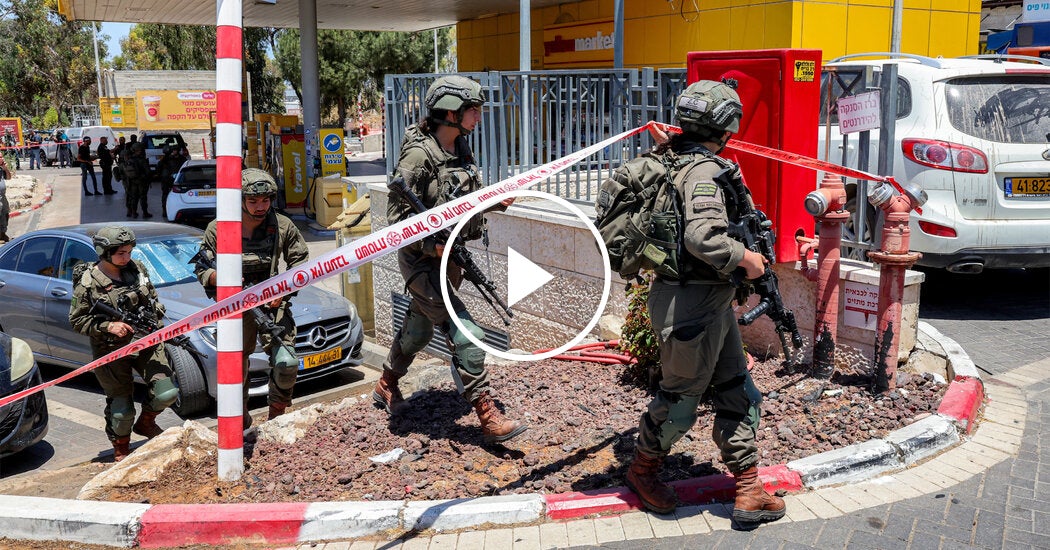
On a Sunday afternoon that began like any other in the bustling heart of Israel’s commercial district, the fragile illusion of metropolitan safety was abruptly shattered when an Arab Israeli gunman launched a coordinated, multi-location drive-by shooting spree. Driving an ordinary passenger sedan, the assailant navigated through several highly trafficked suburban nodes in central Israel, opening fire indiscriminately from his car window at commuters, pedestrians, and patrons of local businesses. According to emergency medical services and eyewitness accounts, the fast-moving assault claimed the life of one man and left at least five others severely wounded, throwing the region’s transport arteries into complete chaos as sirens wailed and terrified civilians scrambled for cover behind parked vehicles and concrete bus shelters. Security officials quickly designated the event a calculated act of domestic terrorism, noting how the shooter took deliberate advantage of the high speed of his vehicle and the dense configuration of the arterial roads to maximize casualties before responding forces could converge on his position. For the residents of central Israel—an area that often views itself as somewhat insulated from the more frequent border friction and West Bank skirmishes—this sudden eruption of violence on a major commuter route serves as a grim reminder of how quickly the coordinates of daily life can be transformed into a theater of war.
TRAGIC CHRONOLOGY OF THE ROADWAY RAMPAGE[Location A: Initial Shots] ──> [Location B: Intersection Fire] ──> [Location C: Highway Attack]
(1 Injured) (3 Casualties) (1 Fatality, 1 Wound)
A Dual Identity Under Scrutiny: The Complex Realities of Arab-Israeli Perpetrators
The revelation that the gunman was an Arab citizen of Israel—a demographic that makes up roughly one-fifth of the nation’s population—has once again thrust the complex issues of identity, integration, and security into the national spotlight. Unlike Palestinians residing in the West Bank or the Gaza Strip, Arab Israelis hold full citizenship, carry blue Israeli identification cards, vote in national elections, and are heavily integrated into the country’s pharmacies, hospitals, academic institutions, and legal systems. However, this legal inclusion exists alongside a historic undercurrent of alienation, systemic economic disparities, and a profound identity crisis, as many members of the community struggle to balance their Palestinian heritage with their obligations as Israeli citizens. Following the attack, Arab municipal leaders, civil rights organizations, and Arab Israeli lawmakers immediately issued statements strongly condemning the bloodshed and expressing condolences to the victims’ families, emphasizing that the violent actions of an isolated individual should never be used to indict or demonize an entire minority community. Nevertheless, security analysts point out that the unique legal status of Arab Israeli citizens grants them unrestricted freedom of movement across the country, making lone-wolf attackers from this demographic exceptionally difficult for internal intelligence services to detect, track, and intercept before they strike.
- Democratic Integration: Arab Israelis actively participate in the national workforce, representing a critical percentage of medical professionals, pharmacists, and construction workers.
- Systemic Disparities: Long-standing complaints regarding unequal municipal funding, lack of zoning permits, and historical socioeconomic marginalization persist.
- The Security Paradox: Unrestricted travel rights within Israel present profound counter-terrorism challenges for the Shin Bet security service.
Emergency Response and the Immediate Security Lockdown
Within minutes of the initial gunshots, Israel’s emergency services mobilized a massive, multi-tiered response that transformed the central district’s highway network into an active tactical zone. Officers from the Israeli Police, boundary patrol units, and specialized counter-terrorism squads set up rapid-response roadblocks and deployed helicopters to track the suspect’s vehicle as it sped between commercial complexes. Concurrently, paramedics from the Magen David Adom ambulance service braved potential active-shooter hazards to reach the wounded, performing life-saving field triage on victims scattered across several hundred yards of asphalt before rushing them to local trauma centers. The chase culminated in a tense standoff where security personnel managed to corner and neutralize the gunman, preventing further loss of life but leaving behind a sprawling crime scene characterized by bullet-riddled vehicles, shattered glass, and abandoned personal belongings. This highly coordinated tactical response underscores the high state of readiness maintained by Israel’s domestic security apparatus, yet the fact that an armed assailant could navigate multiple miles of heavily monitored territory before being stopped highlights the persistent vulnerability of public spaces to localized, mobile threats.
| Department | Primary Action on Scene | Operational Challenge |
|---|---|---|
| Magen David Adom (MDA) | Field triage, hemorrhage control, and rapid transport to trauma wards | Administering aid in active-fire zones across multiple miles |
| Israel Police & Yamas | Vehicle pursuit, roadblock construction, and shooter neutralization | Tracking a moving vehicle in dense Sunday commuter traffic |
| Shin Bet (SHABAK) | Immediate identification of the shooter and threat network analysis | Assessing potential accomplice activity or secondary explosive threats |
The Fragile Fabric of Coexistence: Rising Internal Tensions and Political Fallout
Beyond the immediate human toll, the political aftermath of the central Israel shooting threatens to further destabilize the nation’s fragile internal social cohesion and exacerbate deep-seated ethnic divisions. In the halls of the Knesset and across mainstream media channels, hardline politicians immediately seized upon the tragedy to demand aggressive security sweep operations within Arab-dominant towns, calling for more stringent supervision of minority neighborhoods and a reassessment of gun licensing thresholds for Jewish citizens. Conversely, community organizers and moderate political voices warned that such reactionary measures could trigger a self-fulfilling prophecy of radicalization, alienating peaceful Arab Israeli citizens who are already reeling from the violence and fear the return of the sectarian rioting that shook mixed-population cities like Lod, Jaffa, and Acre in recent years. This political polarization illustrates how easily acts of political violence can weaponize domestic grievances, undermining years of coexistence initiatives and threatening to transform routine civil interactions into moments of mutual suspicion and hostility on the streets of shared municipalities.
POLITICAL ACTION vs. REACTION┌──────────────────────────────────────────────┐
│ National Security Directive │
└──────────────────────┬───────────────────────┘
▼
┌──────────────────────────────────┐
│ Increased Policing & Checkpoints │
└────────────────┬─────────────────┘
▼
┌──────────────────────────────────┐
│ Community Alienation Concerns │
└──────────────────────────────────┘
Unlicensed Weapons and the Crisis of Internal Security
The logistics of the shooting spree have once again focused critical attention on the epidemic of illegal weapons and organized crime currently gripping Arab municipalities throughout Israel. For decades, community advocates have pleaded with domestic law enforcement agencies to crack down on the proliferation of black-market firearms, many of which are smuggled across international borders, stolen from military armories, or manufactured in makeshift West Bank workshops before finding their way into the hands of local gang lords and, eventually, radicalized individuals. Historically treated by national authorities primarily as an internal police matter rather than a prominent national security concern, this surge in unregulated weaponry has created a parallel economy where lethal military equipment is readily accessible to anyone with the financial means or ideological motivation to acquire it. The tragic events of Sunday demonstrate that the line separating domestic criminal activity from organized ideological terrorism has become dangerously blurred, forcing security planners to realize that stabilizing localized gang violence is a prerequisite for safeguarding national defense.
- Supply Chains: Military-grade weapons are frequently stolen from IDF storage depots or smuggled across the porous Jordanian border.
- Socioeconomic Toll: Internal gun violence in Arab towns has exacted a staggering toll, with hundreds of civilian deaths annually attributed to organized crime syndicates.
- Policy Shifts: The Israeli cabinet faces escalating pressure to deploy the Shin Bet domestic security agency directly against civilian crime cartels.
Pathways Forward: Balancing Intelligence, Integration, and Defense
As Israel begins the painful process of burying the victim of Sunday’s attack and treating the wounded, security experts, policymakers, and civic leaders are locked in debate over how to prevent similar tragedies without permanently fracturing the nation’s societal foundations. Moving forward, the defense establishment is likely to advocate for enhanced digital surveillance networks, predictive policing algorithms, and increased intelligence-gathering capabilities aimed at detecting lone-wolf actors operating without formal organizational backing. However, a purely militarized doctrine risks exacerbating the very societal alienation that drives radicalization; therefore, long-term stability will require a dual-track strategy that pairs uncompromising counter-terrorism enforcement with historic state investments in Arab municipal development, educational initiatives, and localized police presence. Ultimately, the survival of a diverse democracy in the face of persistent external and internal threats rests on Israel’s ability to defend its citizens from physical violence while simultaneously preserving the civic trust and mutual respect necessary to sustain a truly shared society.