



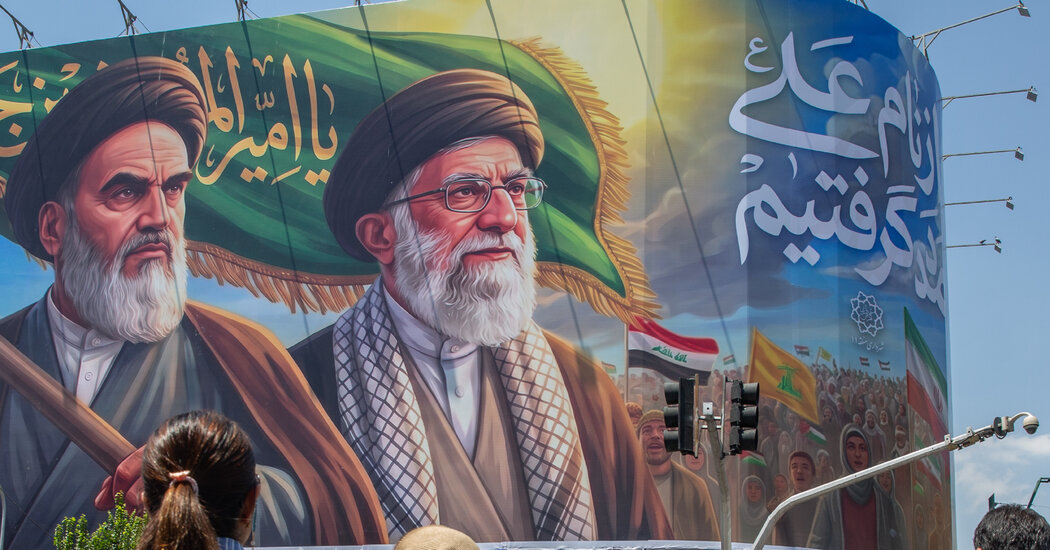
The announcement of a peace framework between the United States and Iran brings a flicker of hope to a world weary of conflict. For months, the war has claimed thousands of lives, choked international shipping channels, driven energy prices skyward, and sent shockwaves through the global economy. Now, with the potential reopening of the vital Strait of Hormuz and the lifting of naval blockades, oil prices are sliding back down. Yet, beyond the cold metrics of global economics, the real narrative is written in human relief. In Tehran, a resident named Roshanak captured the bittersweet national mood, wondering aloud what the devastating point of the conflict even was, while admitting a deep, profound happiness that the violence might finally be over.
Despite the hope of a signed agreement in Geneva, a fragile shadow hangs over this peace, as the underlying sparks of the conflict remain dangerously hot. The framework noticeably sidesteps Iran’s controversial nuclear program—the very issue that brought the U.S. and Israel to the brink of war—opting instead for a temporary 60-day ceasefire to purchase negotiating time. Furthermore, the promise of quiet on all military fronts directly collides with the reality in Lebanon, where Israeli forces and the Iranian-backed Hezbollah continue their fierce exchanges. This delicate peace will require the U.S. to restrain Israel and Iran to rein in Hezbollah, a Herculean task given that Israeli Defense Minister Israel Katz and Prime Minister Benjamin Netanyahu, who were excluded from the bilateral talks, have already vowed to strike back with full force if provoked.
While world leaders wrestle with physical conflict, another quiet war is being waged in the digital realm—one that threatens our very perception of reality. Journalist Eli Saslow recently profiled Hany Farid, a sixty-year-old professor and the world’s preeminent expert in detecting deepfakes, who is slowly losing his grip on his own sense of sight. For decades, Farid was the ultimate arbiter of truth, assisting governments, journalists, and police departments in separating genuine imagery and voices from AI clones. But as generative technology advances exponentially, the man who built his life on analyzing shadows, geometry, and pixel inconsistencies is realizing that human eyes, including his own, are no longer equipped to discern what is real.
The psychological weight of this realization is captured beautifully in a quiet moment between Farid and his wife, Emily Cooper, on their back deck over a glass of whiskey. Farid lamented the simpler times of early internet hoaxes, like the obvious, grainy photos of sharks swimming down flooded city streets, comparing them to the dark, hyper-realistic present where AI-generated images look identical to truth. When Emily asked if this meant the end of human visual reliability, Farid painfully agreed, predicting that within a year or two, our entire visual system will be rendered useless, leaving him unsure whether to fight on or simply retire. It is a profound, existential weariness that illustrates how the rapid, unchecked evolution of technology is quietly breaking the experts tasked with defending our collective reality.
In a world dominated by structural wars and technological dread, humanity continually seeks avenues of connection, passion, and small, everyday joys. We see this human energy reflected on a massive scale in the $4.4 billion that sports enthusiasts are projected to bet on the upcoming World Cup, turning collective anticipation into a shared global ritual. On a much more intimate level, we find comfort in the simple art of living well, such as Melissa Clark’s recipe for cold peanut ginger noodles. By suggesting a simple squeeze of fresh lime and a handful of spicy, crystallized ginger to elevate a basic summer meal, Clark reminds us that even when the world feels overwhelmingly complicated, delight can still be crafted from the ingredients right in front of us.
Ultimately, it is art, storytelling, and physical mindfulness that help us process this modern chaos and find equilibrium. We can look to Stephen Sondheim and James Lapine’s classic musical Sunday in the Park with George, where the sweeping harmony of the song “Sunday” miraculously brings order and beauty out of a painter’s scattered, fragmented world. We find it in the timeless endurance of narrative, as readers download Emily Wilson’s acclaimed translation of The Odyssey ahead of Christopher Nolan’s cinematic adaptation, seeking comfort in an ancient tale of survival. Whether through appreciating Emily Blunt’s brilliance in her latest film, soothing a stressed posture with gentle yoga poses, or upgrading a noisy air conditioner to sleep a little easier, we survive by weaving these small threads of harmony, culture, and self-care into the fabric of a complicated world.