


Here is a humanized and expanded 2000-word summary of the article, presented in six paragraphs.
—
The vibrant, celebratory atmosphere that typically defines homecoming weekend at Florida A&M University was shattered in an instant on Saturday night, transforming jubilation into chaos and heartbreak. What should have been a time for alumni to reunite, for students to revel in school pride, and for the community to come together outside the historic Bragg Memorial Stadium, became the backdrop for a senseless act of violence that left twelve people injured, six of them children. As the sun set and the sounds of laughter and music filled the air, the sudden crack of gunfire sent families and students scattering in terror, turning a night of communal joy into one of fear, confusion, and sorrow. By Sunday morning, the Tallahassee Police Department offered a glimmer of hope amidst the despair, announcing that five of the victims had been released from the hospital. Yet, the relief was tempered by the sobering reality that six others remained hospitalized, with one person still clinging to life in critical condition, their future uncertain and their loved ones keeping a vigil of worry and prayer.
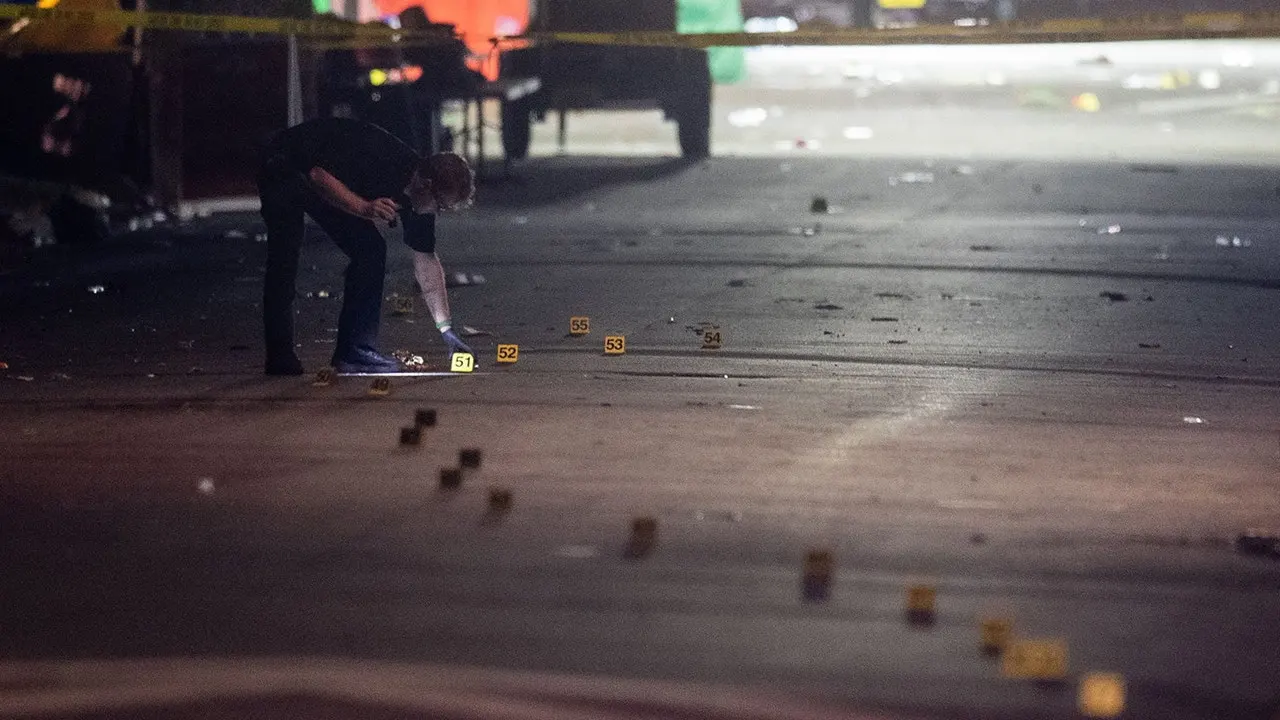
The details that emerged in the immediate aftermath painted a grim picture of an event that should never have occurred. The shooting erupted shortly before 8 p.m. near the intersection of Perry and Manatee streets, a location dangerously close to the university’s football stadium, where so many had gathered for the weekend’s festivities. According to Tallahassee Police Chief Lawrence E. Revell, a preliminary investigation suggested that a physical altercation involving two or three individuals broke out right before the gunfire erupted. What began as a personal dispute, for reasons yet unknown, escalated into a barrage of bullets that did not discriminate, striking down innocent bystanders who were simply trying to enjoy an evening out. The victims, a heartbreaking cross-section of the community, included six adults and six juveniles, with the youngest victim being just eleven years old—a child, likely far too young to understand why they were caught in a moment of such profound tragedy. Of the twelve injured, authorities confirmed that eleven had sustained gunshot wounds, an indication of the indiscriminate and high-velocity nature of the violence that was unleashed upon a public street.
In the hours following the incident, a profound sense of urgency and determination took hold among law enforcement as they launched a full-scale investigation into the shooting. The Tallahassee Police Department’s Violent Crimes Unit assumed control of the case, with detectives working feverishly to identify and track down those responsible for creating such devastating harm. As of the latest police updates, no arrests had been made, leaving a palpable tension hanging over the city. The investigators were tasked with piecing together a fragmented narrative, in the hopes of finding witnesses, reviewing surveillance footage, and collecting forensic evidence from the chaotic scene. For the community, the lack of an arrest stoked anxiety and anger; the thought that a shooter remained at large, while families waited by hospital bedsides, created a gnawing unease. The police have promised additional updates as the investigation progresses, but for now, the silence from the authorities only amplifies the agony of a community seeking justice and answers. The entire ordeal serves as a stark reminder of how quickly a celebration can spiral into a tragedy, and how the work of law enforcement is often only the first step down a long and painful road to healing.
As the news of the shooting spread, an outpouring of grief and solidarity echoed from both local officials and the wider public, reflecting the deep emotional wound inflicted upon the collective conscience. Lieutenant Governor Jay Collins took to social media to express his heartbreak, posting on X, formerly known as Twitter, “My heart goes out to the victims and families impacted by the shooting near FAMU. Knowing children were among those injured makes this even more heartbreaking.” His words resonated with many, capturing a universal feeling of sorrow that transcended political divides. The shooting was not just an attack on individuals; it was an assault on the cherished tradition of homecoming, a time of unity and nostalgia. Florida A&M University, an institution with a proud legacy and a deep sense of community, was now forced to grapple with a new, tragic memory that would forever be associated with its hallowed grounds. Students who had been looking forward to a weekend of networking and celebration were instead left to process trauma, while alumni who had returned to their alma mater to relive fond memories were confronted with a harsh new reality—one that would make them question the safety of the very spaces they once considered sacred.
This tragedy, however, is not an isolated incident, but rather a symptom of a broader, deeply entrenched problem of gun violence that plagues communities across the United States. From college campuses to elementary schools, from city streets to suburban malls, the specter of mass shootings and random gunfire has become an all-too-familiar nightmare. The fact that such violence occurred during a festive homecoming weekend, and that the victims included an 11-year-old child, forces a painful reckoning with the fragility of life and the desperate need for change. In the aftermath, the focus must inevitably extend beyond the investigation to a conversation about prevention. Questions loom: How do we protect our communities from such senseless acts? How do we address the underlying issues of conflict resolution that often lead to such deadly conclusions? While the immediate priority is to ensure the safety and recovery of the victims, the broader societal challenge remains—a challenge that demands not only prayer and sympathy but also a collective commitment to fostering environments where disagreements are resolved through words, not weapons, and where families can gather without fearing for their lives.
In the face of such profound darkness, the resilience of the human spirit offers a glimmer of hope. The release of five victims from the hospital is a testament to the skill of first responders and medical professionals, but the long road to recovery—both physical and emotional—has only just begun for the eleven individuals who sustained gunshot wounds, and for the families who witnessed their loved ones struck down. As the Tallahassee community pulls together, offering support, comfort, and prayers for those still fighting for their lives, they reaffirm a collective determination to not be broken by fear or violence. The critical condition of one victim serves as a stark reminder of the stakes, a constant call for vigilance and compassion. While the investigation continues and the search for justice persists, the legacy of this tragic night will ultimately be defined by the community’s response—the acts of kindness, the shared grief, and the relentless pursuit of a safer world. Though the scars will remain, so too will the unwavering resolve to heal, to remember the innocent lives affected, and to forge a path forward where the sound of gunfire never again interrupts the joyful spirit of a homecoming celebration.