



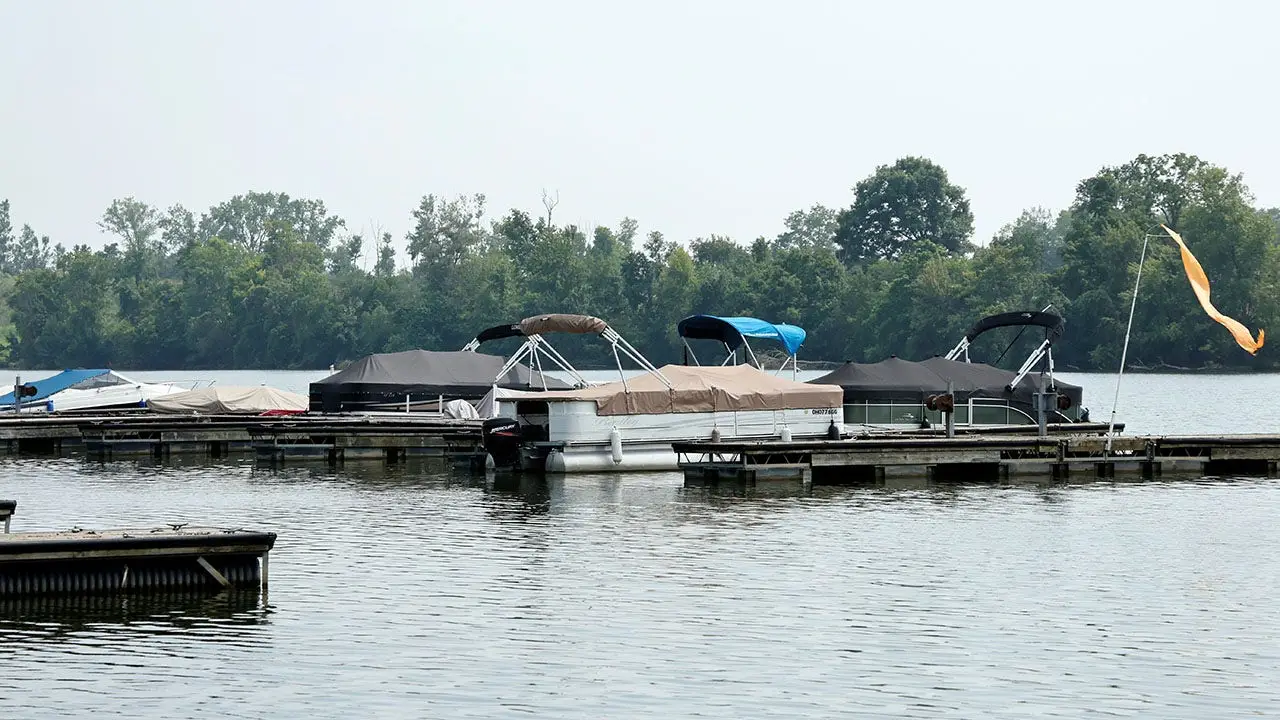
On what should have been a peaceful, balmy Sunday evening, a close-knit group gathered along the scenic banks of the Scioto River in Powell, a serene and typically quiet suburb just north of Columbus, Ohio. The river, prized by locals for its tranquil beauty and rich wildlife, seemed the perfect backdrop for a weekend wind-down, offering a gentle escape from the demands of daily life. However, the idyllic atmosphere shattered in an instant when one member of the gathering decided to step into the water for a swim. What began as a simple, spontaneous moment of recreation quickly spiraled into a desperate battle for survival as the swimmer unexpectedly began to struggle against the river’s deceptive undercurrents. In an instant, the peaceful murmur of the flowing water was replaced by frantic cries for help, signaling the start of a catastrophic chain of events that would ultimately claim five lives and leave a community paralyzed by grief. This sudden shift from leisure to life-or-death panic highlights how quickly nature can turn hostile, transforming a familiar local landmark into a site of profound tragedy.
The human instinct to protect those we love is one of the most powerful and beautiful forces in existence, yet on this tragic evening, that very heroism proved devastatingly fatal. Upon witnessing their companion thrashing and crying out in the water, two members of the group did not hesitate; driven by pure adrenaline and love, they plunged into the Scioto River in a desperate bid to pull their struggling friend to safety. Sadly, the river’s hidden currents quickly overpowered these would-be rescuers, trapping them in the same watery grasp. Seeing this escalating nightmare unfold, two more individuals from the gathering rushed into the water, attempting to save both the original swimmer and those who had gone in to help. Security experts and search-and-rescue teams often warn of this tragic phenomenon—a rescue chain drowning—where the raw, overwhelming impulse to save a loved one overrides personal safety instincts, leading to multiple casualties. The selfless bravery of these four individuals, who willingly risked their own lives to save others, stands as a heart-wrenching testament to the depths of human devotion, even as it ultimately magnified the scale of the disaster.
As darkness fell over Powell at around 9:00 p.m., the horrifying reality of what had transpired on the riverbanks was brought to light by the bravest of witnesses: a young, deeply traumatized child from the group. Escaping the immediate danger of the water, the distraught child ran onto a nearby dark roadway, crying out for help in a state of utter shock. A passing motorist, spotting the solitary and visibly shaken child wandering near the road, immediately pulled over to intervene and dialed 911. Through tears and panic, the child managed to convey the unthinkable truth to the caller, explaining that their entire family was still trapped in the dark waters of the river. This harrowing roadside encounter serves as a painful reminder of the collateral damage of such sudden tragedies, where a child was thrust into the unimaginable role of having to seek rescue for the adults who were supposed to protect them. The motorist’s quick action in calling emergency services set a massive rescue operation into motion, but for many of those in the water, the intervention came too late.
First responders rushed to the scene under the cover of night, greeted by the eerie, quiet flow of the Scioto River and the echoing panic of a rescue mission in the dark. Search-and-rescue teams quickly pulled two women from the water, desperately administering emergency life support before transporting them to a local hospital, where they were tragically pronounced dead. The search for the remaining missing individuals stretched into the somber morning hours of Monday, as dive teams and Delaware County Sheriff’s deputies meticulously combed the river’s murky depths. By Monday afternoon, the grim reality was finalized when the bodies of three men were recovered from the water, bringing the final death toll to five. Delaware County Sheriff Jeffrey Balzer and department spokesperson Tracy Whited confirmed the heartbreaking findings to a grieving public, noting that no boats were present at the scene and that it remained unclear whether alcohol played any role in the tragedy. The withholding of the victims’ identities in the immediate aftermath allowed extended families the quiet, private space needed to begin processing a loss so sudden and massive that it defies comprehension.
Behind the cold, hard numbers of this tragedy lies a heartbreaking reality for the survivors, particularly the two young children under the age of ten who were part of the group that evening. Having witnessed a nightmare unfold before their eyes, these children have been placed in the care of family services, where they are receiving psychological support and shelter as officials work to find suitable long-term familial placements. The loss of five parental and supportive figures in a single evening leaves an aching void in the lives of these children, who must now navigate a world permanently altered by a single Sunday swim. The Scioto River, which stretches for 230 miles and is celebrated across Ohio as a premier spot for fishing bass, saugeye, and catfish, now bears a somber association for the local community. This sharp contrast between the river’s reputation as a peaceful sanctuary for outdoor enthusiasts and its sudden role as a site of immense tragedy underscores the volatile nature of public waterways, which can harbor dangerous currents beneath an ostensibly calm surface.
In the wake of this devastating event, Sheriff Balzer made a passionate plea to the public, urging everyone to treat bodies of water with the utmost respect and to always keep safety gear, such as life vests, readily accessible when gathering near rivers and lakes. This disaster occurred just days after another weather-related tragedy in Utah, where a flash flood claimed the lives of five family members, highlighting a painful summer trend of water-related fatalities across the nation. As the Powell community wraps its arms around the surviving children and the extended families of the deceased, the story of the Scioto River drowning serves as a somber meditation on the fragility of human life and the dual nature of our instincts. While we mourn the loss of five lives, we are also reminded of the profound, self-sacrificing love that prompted four people to jump into danger to save another. Ultimately, this tragedy challenges us to honor the memory of the fallen by practicing vigilance and safety, ensuring that our cherished natural spaces remain places of joy rather than sorrow.