



The Heartbreaking Saga of Beagles Bound for Liberation
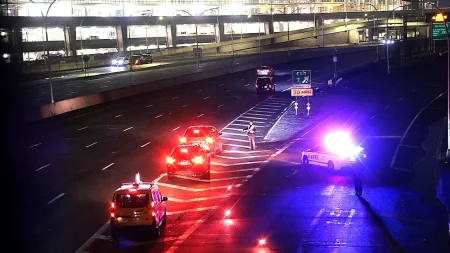
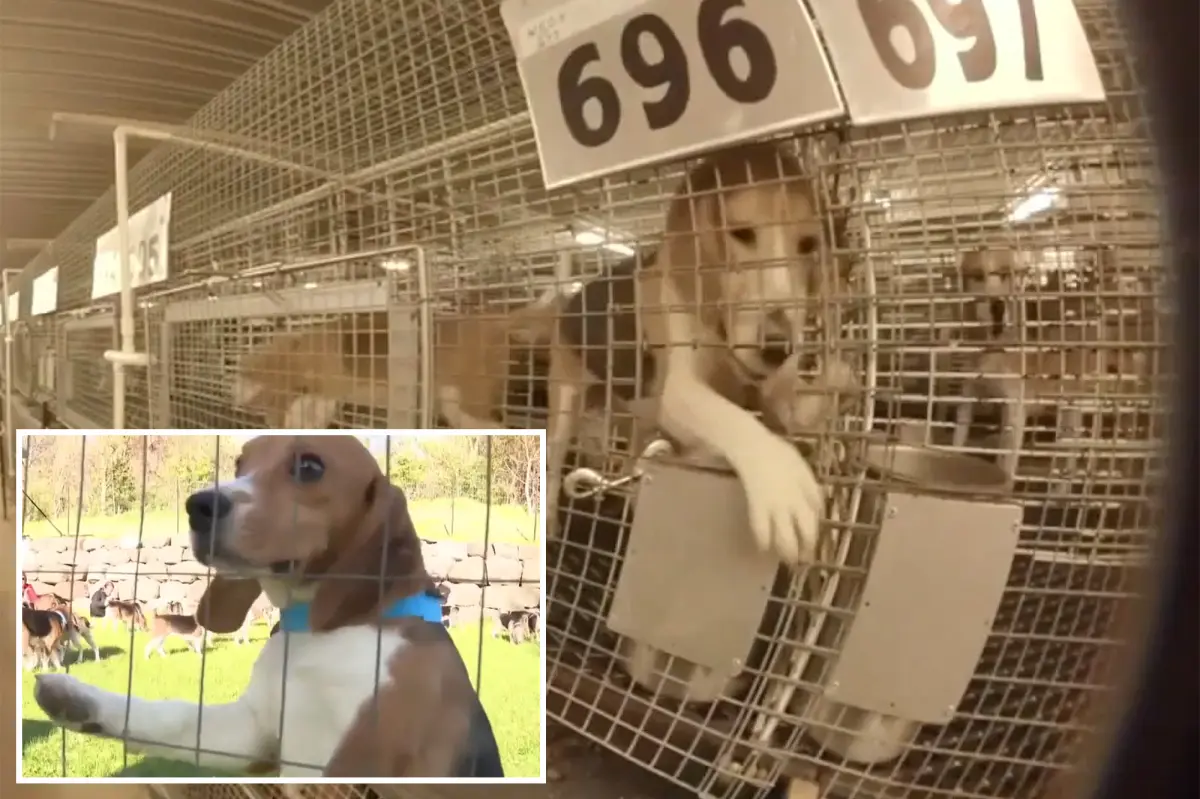
Imagine a sunny Wisconsin countryside transformed into a battleground of compassion and conflict, where the innocent whimpers of beagles echo as a rallying cry for animal liberation. In the rolling hills of Blue Mounds, Ridglan Farms once stood as a hub for breeding these gentle hounds for scientific testing, but escalating protests by animal rights activists shattered the facade of routine operations. Last month, over a thousand passionate demonstrators armed with sledgehammers, pry bars, and chainsaws breached the facility’s gates, only to be met with tear gas and rubber bullets fired by local law enforcement. Twenty-nine activists were arrested, five facing serious felony charges, as emotions ran high and chaos ensued. This wasn’t the first such confrontation; in March, protesters had sneaked in and made off with 30 dogs, prompting the sheriff’s office to prepare charges against 63 individuals. The outcry was fueled by allegations of mistreatment, including invasive eye procedures that flouted state veterinary standards. Ridglan Farms, under pressure from a special prosecutor, Tim Gruenke, ultimately shed its breeding license effective July 1 to dodge felony animal cruelty charges. Yet, despite these concessions, the facility retains the right to continue experimenting on the dogs, a bitter pill for activists who view this as a hollow victory. Amidst the tension, a silver lining emerged: Big Dog Ranch Rescue and the Center for Humane Economy brokered a confidential purchase deal, securing the release of 1,500 beagles for an undisclosed sum. But not all could be saved immediately; about 500 remained, pawing anxiously at their enclosures while discussions for their rescue dragged on. This human-animal drama highlights the raw clash between ethical imperatives and institutionalized science, where every barking pup symbolizes a life at stake.
A Hopeful Twist: The Rescue Agreement Takes Shape
At the heart of this uprising were two dedicated organizations, Big Dog Ranch Rescue and the Center for Humane Economy, led by visionaries weary from the fight against animal exploitation. Lauree Simmons, founder of Big Dog Ranch Rescue, poured her life into these furry victims, recalling with a voice choked with emotion how the beagles, bred for their trusting nature and compact size, have been staples in labs worldwide. Now, these groups negotiated tirelessly with facility owners and prosecutors, culminating in a veiled deal that snatched freedom for 1,500 of the 2,000 beagles estimated at the site. The excitement was palpable as crates of wagging tails were loaded onto transports, but the joy was tempered by the uncertainty shrouding the remaining 500. Why not all at once? Negotiations for the leftovers continue, with the Dane County Humane Society slated to step in next week to expedite their exodus. Wayne Pacelle, a key figure at the Center for Humane Economy, expressed cautious optimism, stating they were “engaging in continuing discussions with Ridglan,” underscoring the delicate diplomacy amidst the heat. The beagles, despite their traumatic origins, exhibited an astonishing resilience, approaching their rescuers with curious eyes and soft nuzzles within hours of release. Simmons described them as “super sweet,” crawling into laps as if instinctively seeking the warmth of human kindness. It’s a testament to the animals’ innate goodwill, which had once made them ideal for testing, but now positions them as ambassadors for change. This partial rescue isn’t just logistics; it’s a profound act of empathy, where activists confront systemic cruelty with empathy-driven action, proving that collective passion can indeed pry open cages.
The Plight of the Left-Behind Pooches
While 1,500 beagles basked in their newfound liberty, the fate of the approximately 500 left at Ridglan Farms hangs like a heavy cloud over the narrative, a poignant reminder that true liberation often unfolds in stages. These pups, brothers and sisters of the rescued ones, remain in the facility’s compound, subjected to ongoing experimentation despite the breeding ban. Prosecutor’s decisions allowed Ridglan to shift from breeding to full-time testing, a gray area that frustrates advocates who argue it perpetuates the cycle of suffering. Eye procedures and other tests, deemed violations of veterinary ethics, had sparked initial outrage, yet without full closure, these dogs face an uncertain horizon. Activists worry about the psychological toll—caged days melding into prolonged limbo—mirroring the human anxieties of indefinite delays. Efforts to negotiate their release are underway, with the Humane Society poised to intervene, but progress feels agonizingly slow. Each day, these beagles probably dream of the grass underfoot and toys in their mouths, unaware that their friends are already romping in foster homes. This includes stories of emotional depth, where one imagines a puppy pressing its nose against wire mesh, eyes pleading for escape. The human side aches too: families torn by the divide, activists grappling with burnout, yet driven by the unyielding belief that every life matters. Humanizing this, we sense the beagles’ isolation as a microcosm of broader injustices, urging a reevaluation of how society values “expendable” lives for science.
Homes Await: The Adoption Avalanche
For the lucky 1,500 rescued dogs, life is blossoming into a symphony of possibilities, with adopters flooding in like a tidal wave of goodwill. Big Dog Ranch Rescue plans to rehome 1,000 of these hounds, while the Center for Humane Economy handles the rest—a logistical marathon that speaks to humanity’s capacity for redemption. Simmons shared that they’ve received a staggering 700 adoption inquiries in record time, a heartwarming flood she attributes to public empathy ignited by viral protest footage. Yet, the process isn’t rushed; rigorous screening ensures potential families are prepared for the unique needs of lab-bred beagles, many of whom require house training and adjustment from sterile kennels to cozy living rooms. Picture a family eagerly awaiting their new companion, perhaps a child giggling as a beagle Learns to play tug-of-war, transforming past pain into future cuddles. These dogs, described as gentle and affectionate, have a knack for healing their humans as much as vice versa, their licks a balm for activist scars. Adoption events brim with emotion, where former protestors reunite with the dogs they fought for, sharing frameworks that foster deep bonds. One can envision tail-wagging reunions, where a once-terrified pup now bounds with joy, embodying resilience. This wave of adoptions isn’t just charity; it’s a societal shift, where ordinary people step up to prevent further lab destinies, humanizing the beagles into cherished pets rather than subjects.
Reflections on Protests and Progress
The protests that ignited this movement were a whirlwind of raw emotion and defiance, painting a vivid portrait of activism’s highs and lows. A thousand-strong crowd’s sledgehammer charge, met with police force, underscored the lengths folks go to defend the voiceless, yet it also left scars—arrests, legal battles, and the sting of tear gas. Five felonies hanging over heads serve as a stark reminder of the personal toll, where impassioned individuals risked liberty for justice. March’s stealthy rescue of 30 dogs added another layer, galvanizing supporters but complicating legal landscapes with potential charges looming for 63. Amid controversy, Ridglan’s concessions felt incremental, losing breeding rights but retaining experimental freedom, a compromise that keeps the ethical debate alive. Prosecutor Gruenke, a bridge-builder, emphasized continuing possibilities, but activists like Pacelle push for total shutdown. Humanizing this chaos reveals the human element: tear-streaked faces at marches, adrenaline-fueled breaks-ins, and post-protest reflections where one questions if ends justify interrupted means. It’s a narrative of flawed heroes—activists who, despite chaos, catalyzed change—highlighting how collective fury can bend institutions. The beagles, at the epicenter, emerge as unwitting protagonists in a story of hope versus hardship.
A Brighter Horizon for Furry Futures
As the dust settles on Ridglan Farms, the beagles’ story radiates optimism, a beacon for animal welfare advocates worldwide. With 1,500 liberated and more slated for rescue, these sweet-tempered hounds are stepping into lives brimming with love, away from cold experiments. Simmons’ recollections of their immediate trust—crawling into laps, wagging fiercely—paint them as eternally grateful beings, ready to enrich human lives. The remaining 500’s deliverance hinges on ongoing talks, a testament to perseverance. Adoption drives swell with applications, promising transformative homes where these dogs learn joy anew. Ultimately, this saga humanizes science’s shadows, urging empathy for all creatures. In shared human-animal bonds, we find redemption, where one beagle’s freed paw might inspire global change, fostering a world kinder to the paw-some among us.