







On what should have been a tranquil and glorious Sunday morning, under the immense, sun-drenched canopy of the western Missouri sky, a profound and unimaginable tragedy unfolded, forever altering the heart of a quiet rural community. Butler, Missouri, a peaceful city with a modest population of approximately 4,300 residents, is the kind of close-knit American town where life moves at a comfortable, deliberate pace, and where neighbors are deeply interconnected by generational roots, shared values, and simple agrarian beauty. Located about 65 miles south of the sprawling urban limits of Kansas City, Butler typically enjoys quiet weekends filled with lawn care, church services, and the distant hum of light aircraft taking off from its local hub, the Butler Memorial Airport. On this particular morning, however, the local airfield became the staging ground for a sudden disaster that would shatter this pastoral calm in an instant. A private aircraft, carrying a group of twelve excited and hopeful individuals, took to the skies, only to plunge violently back to earth just moments later. Among those on board were eleven passionate skydivers, men and women who lived for the weightless, spiritual freedom of the clouds, and a skilled pilot who had dedicated countless hours to mastering the safe navigation of the heavens. For these adventure-seekers, the day began with the familiar, comforting routines of checking straps, laughing over shared memories, and looking upward with anticipation at the vast, clear blue canvas above them. But the joyous anticipation of soaring through the atmosphere and descending gracefully under colorful nylon domes was abruptly cut short, replaced by a sudden and horrifying sequence of events that left a community in deep shock, a state in mourning, and families completely shattered by a loss that defies easy comprehension. The abrupt transition from high-altitude exhilaration to the ultimate, silent finality of a crash site serves as an agonizing reminder of how quickly life can change, casting a long, somber shadow across the historic streets and farmland of Bates County.
The fateful flight departed just before 11:30 a.m., ascending into the clear autumn air with the steady, reassuring roar of its engine, but trouble arose almost immediately after the wheels left the runway. According to emergency communications and stunned eyewitness accounts from the ground, the private plane had barely achieved a safe altitude when it was observed performing an unexpected, sharp left-hand turn back toward the airfield, a maneuver that instantly signaled a critical, time-sensitive emergency to onlookers below. Dennis Jacobs, the highly experienced acting airport manager and director of the Bates County Emergency Management Agency, later offered a sober and analytical perspective on those fleeting, chaotic seconds, stating that he strongly suspected the plane had suffered a catastrophic loss of engine power during its initial climb. In that terrifying window of time, the pilot was thrust into the ultimate test of aviation skill and courage, forced to navigate a heavily laden aircraft without propulsion while carrying the lives of eleven trusting souls behind him. Recognizing the impossibility of gliding back to the runway, the pilot appeared to make a heroic, split-second decision to steer the failing aircraft toward the wide, clear asphalt of the nearby Business 49 Highway in a desperate attempt to execute an emergency landing and save his passengers. Tragically, the merciless laws of aerodynamics intervened before the plane could reach the road; the aircraft lost critical airspeed, encountered an unrecoverable aerodynamic stall, and pitched violently nose-first into an adjacent field. The impact was cataclysmic, instantly triggering an intense, fuel-fed fire that quickly consumed the fuselage, leaving those on the ground to watch in helpless horror as a courageous flight ended in a wall of devastating flames. This rapid progression from a minor mechanical anomaly to a fatal impact highlights the unforgiving nature of low-altitude emergencies, where seconds feel like hours and options vanish in the blink of an eye, leaving no room for error and resulting in an absolute tragedy that will be studied by aviation experts for years to come.
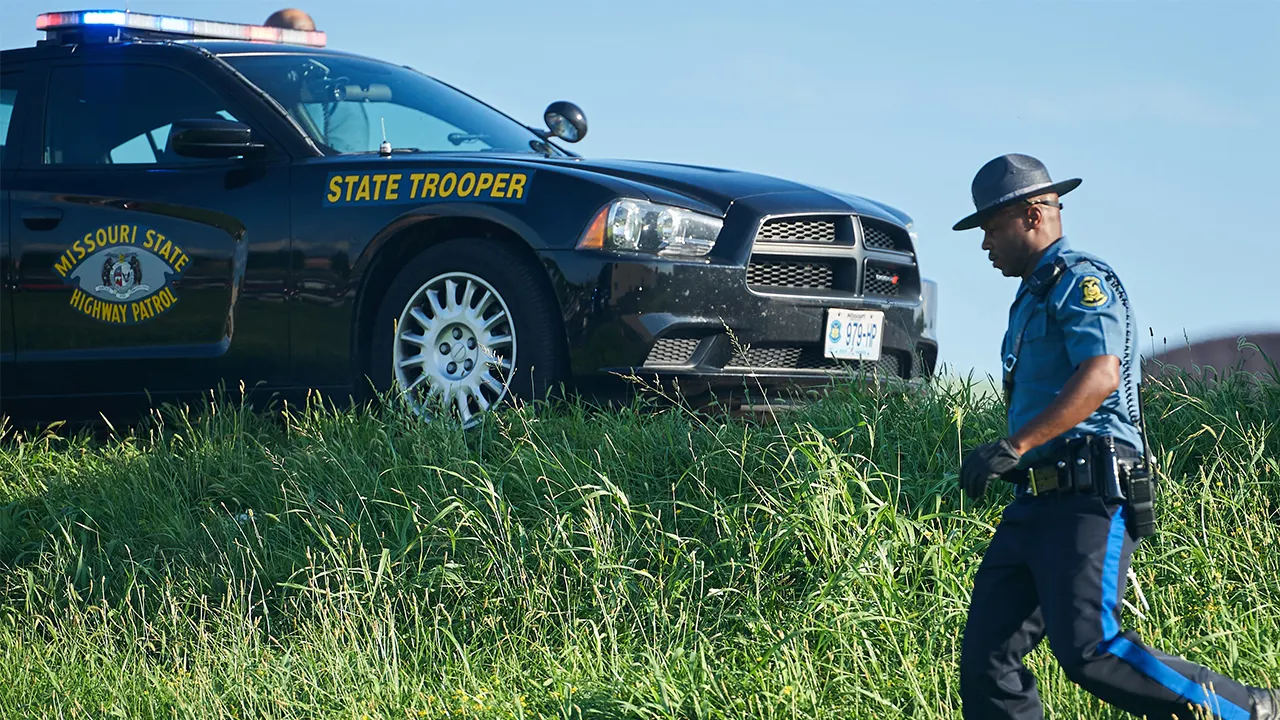
The sheer violence of the impact and the subsequent explosion immediately galvanized local emergency networks, sending sirens wailing through the quiet valleys surrounding Butler as first responders raced toward the columns of thick, black smoke rising from the horizon. Officers from the Butler Police Department, deputies from the Bates County Sheriff’s Office, and troopers from the Missouri State Highway Patrol all converged on the field near the airport, driven by a desperate hope that they might find survivors amidst the wreckage. Upon arrival, these brave local volunteers and career professionals were met with a daunting scene of utter destruction, as a raging inferno engulfed the core of the crashed aircraft, demanding immediate, aggressive firefighting tactics to suppress the intense heat. Although fire crews worked with extraordinary efficiency and managed to extinguish the stubborn blaze shortly after their arrival, the grim reality of the situation rapidly set in, as search and rescue teams confirmed that all twelve individuals on board had tragically perished in the crash. To protect the integrity of the debris field for federal investigators and ensure public safety, authorities quickly took the step of closing Business 49 Highway in both directions, diverting local traffic away from the active disaster zone. The Bates County Sheriff’s Office communicated the closure on social media, advising a stunned public to find alternate routes and allowing a quiet, protective perimeter to be established around the site of the tragedy. For the law enforcement officers and emergency personnel who stood guard under the afternoon sun, the physical demands of managing the scene were eclipsed by the heavy mental toll of preserving a site of such monumental human loss. Local responders, many of whom are volunteers who live and raise families in Butler, had to process the shocking magnitude of this event in real-time, displaying immense professionalism while carrying the secret, lasting weight of a tragedy that struck directly at the heart of their home turf.
Beyond the dry, technical language of flight paths, engine stalls, and road closures lies the profoundly human story of the twelve lives cut short, and the deep, enduring pain of those they left behind. Skydiving is not merely a weekends-only hobby; it is a global, fiercely loyal brotherhood of individuals who share an uncommon courage and an intimate understanding of the beauty found in freefall. In this tight-knit community, members spend hours packing parachutes together, sharing meals, and trusting each other’s split-second decisions at thousands of feet in the air, forming familial bonds that transcend typical friendships. The loss of eleven passionate skydivers in a single afternoon represents a catastrophic blow to this community, sending immense shockwaves of grief through regional aviation clubs, drop zones, and national skydiving organizations. Beside them on this tragic journey was the pilot, an essential guardian of the sky whose life was dedicated to the safe transport of others, now remembered as a fallen protector who fought until the very end to save his passengers. As news of the crash spread, the personal cars of the victims remained parked in the quiet airport lot, heartbreaking symbols of a normal day that was supposed to culminate in laughter, high-fives, and safe drives home. For the families of these twelve individuals, the world changed in a single, devastating instant, leaving them with the agonizing chore of talking to investigators, planning memorials, and trying to reconcile the boundless joy their loved ones felt in the air with the tragic silence of their sudden departure. The tragedy serves as a poignant reminder that those who chase the clouds are not merely thrill-seekers, but vibrant souls with families who loved them, jobs they returned to on Mondays, and dreams that extended far beyond the drop zone—each of them leaving behind a legacy of bravery and a passion for living life to its absolute fullest.
In the wake of the disaster, as the physical flames were extinguished and the smoke cleared, the focus of the local authorities transitioned to a painstaking, highly technical investigation led by federal air safety organizations. Investigators from both the National Transportation Safety Board (NTSB) and the Federal Aviation Administration (FAA) arrived promptly on the scene, transforming the quiet field in Butler into an active forensic laboratory. These specialists are tasked with the daunting responsibility of reconstructing the final moments of the flight, meticulously examining the wreckage, searching for mechanical defects, analyzing maintenance records, and evaluating environmental factors such as wind shear and air temperature. A particularly poignant and critical question that investigators are seeking to answer is whether any of the skydivers attempted to escape the failing aircraft before the final impact occurred. Given that these individuals were highly trained in emergency protocols and were equipped with active parachute systems, teams are carefully searching the surrounding farmlands and analyzing radar tracking data to determine if anyone made a desperate leap in those final, terrifying seconds. This thorough and systemic investigation will take many months to complete, offering no quick or simple answers to the mourning families who are desperate to understand what caused the catastrophic failure. For the investigators on the ground, the work is a somber, sacred duty, as they document each piece of debris and personal property with the knowledge that their findings will not only provide closure to grieving relatives but will also help implement new safety measures to prevent similar tragedies in future flights. They work under the heavy sky with a quiet reverence, treating each harness, helmet, and logbook with the extreme care and dignity deserved by those who put their faith in the sky, ensuring that the historical record of this event is handled with the utmost precision and respect.
In the long, difficult days that lie ahead, the small community of Butler, Missouri, will grapple with the heavy emotional burden of this tragedy, leaning on their enduring rural resilience and neighborly bonds to find a path through collective grief. In a town of just 4,300 people, a disaster of this scale is not an abstract news story read online or watched on television; it is a direct blow to the heart of the community, affecting local business owners, airport staff, first responders, and ordinary citizens who feel the painful absence of their neighbors. The healing process has already begun in quiet ways, with residents offering prayers, leaving flowers near the airport gates, and coming together to support the families of the victims who have been thrust into this spotlight of sorrow. The Butler Memorial Airport, a place once defined by the exciting hum of engines and the celebration of flight, will inevitably carry a silent monument of memory, reminding all who visit of the twelve brave souls who departed from its runway on a beautiful Sunday morning but never returned. Yet, even in the midst of this overwhelming darkness, the human spirit refuses to be entirely extinguished, finding comfort in the shared memories of those who were lost and the brave, adventurous lives they led. As the names of the victims are eventually released and their stories are told, the global aviation family and the town of Butler will stand united, ensuring that the legacy of these twelve individuals is defined not by the tragedy of their final descent, but by the courage, passion, and boundless joy with which they lived their lives among the stars. The sky, which was once their playground, will now serve as a permanent, open-air tribute to their memory—a quiet blue expanse where they will forever soar in the hearts of those who loved them most.