



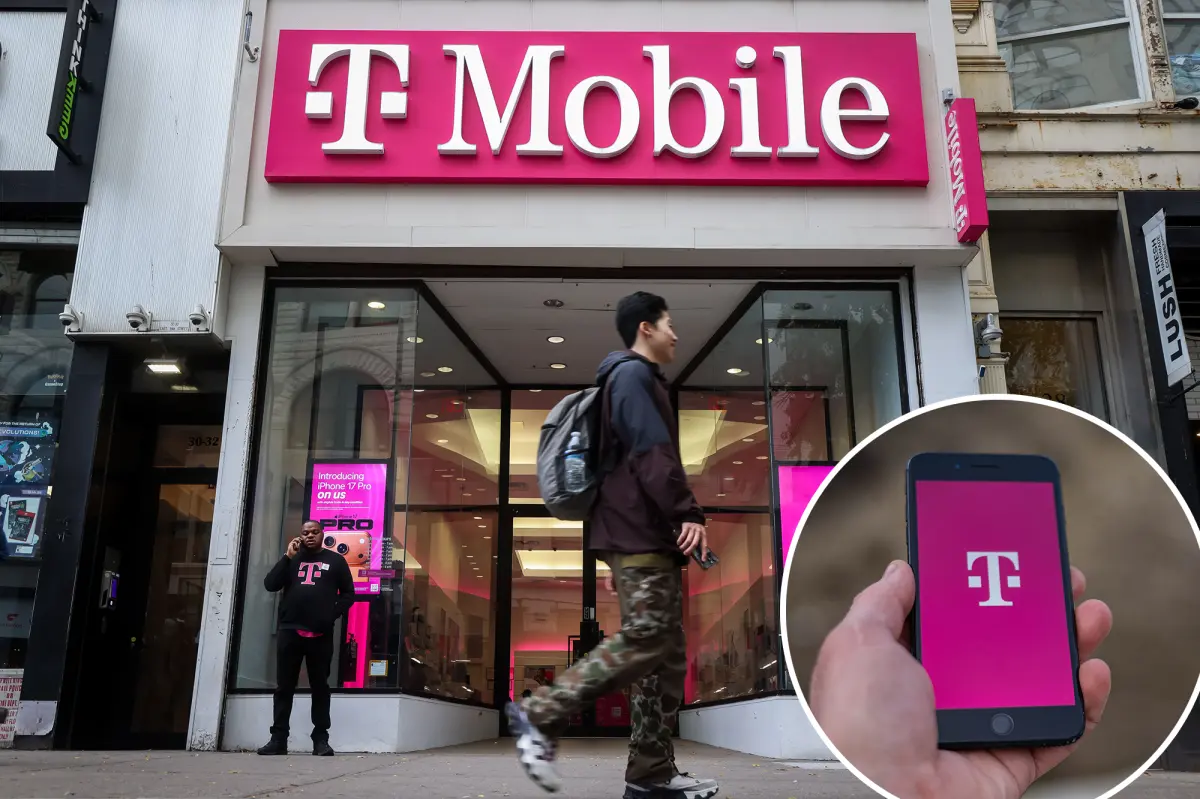
T-Mobile is dialling back on its patient customer relations, and the backlash has been swift and loud after the wireless giant announced the retirement of over 1,100 legacy payment plans. Starting July 13, subscribers on older 3G and 4G pricing tiers—including those who migrated from Magenta, Simple Choice, ONE, and Sprint plans following the 2020 merger—will be automatically transitioned to the newer, pricier “T-Mobile Experience” plans. Adding insult to injury, the mobile carrier is also killing off its popular KickBack discount, which gave frugal users a $10 credit per line for keeping their data usage low, alongside implementing monthly rate hikes for connected tablets and smartwatches.
To justify the forced migration, T-Mobile executives point to the glaring technological obsolescence of these decades-old plans. Company executive Joe Freier noted that these archaic service packages were designed long before 5G infrastructure was even built, saddle users with restrictive data caps, limit video streaming to lower resolutions, offer meager hotspot allowances, and lack basic international roaming capabilities. While the carrier promises that the transition will dramatically elevate the everyday user experience by providing unlimited high-speed 5G data, 60GB of hotspot data, and better streaming for apps like Netflix and YouTube, customers are largely ignoring the technological perks and focusing on the hit to their wallets.
The corporate justification has done little to soothe consumer anger, with social media channels lighting up with furious complaints from long-term, loyal subscribers. On platforms like Reddit and Threads, users are accusing the company of greed, with many openly encouraging others to jump ship to competitors like Verizon, Consumer Cellular, or Boost Mobile. Even former T-Mobile employees have stepped into the fray to voice their disappointment, pointing out that when the brand quietly abandoned its famous “price lock guarantee” eighteen months ago, it set the stage for exactly this type of aggressive, profit-driven restructuring that contradicts the carrier’s historic “Un-carrier” identity.
In response to the widespread public outcry, T-Mobile’s leadership has adopted a somewhat defensive but pragmatic stance regarding the transition. Allan Samson, the company’s Chief Marketing Officer, tried to downplay the financial impact during a press briefing by emphasizing that the new assigned pricing tiers are still heavily discounted compared to standard market rates, rather than being billed at full retail price. However, Samson offered a surprisingly blunt ultimatum for dissatisfied subscribers, stating plainly that if customers are unhappy with their updated monthly bills, they are free to either shop around for a different current T-Mobile tier or simply take their business to another wireless provider.
For subscribers wondering if their monthly bills are about to spike, T-Mobile is currently rolling out alerts via direct text messages and through notifications on its proprietary T-Life application. These digital alerts lead customers directly to a dedicated rate plan migration page where they can review their newly adjusted account details, compare their previous rates with the incoming charges, and see exactly when the changes will take effect. It represents a massive logistical shift as the company seeks to aggressively purge these old billing systems and force a massive base of legacy users onto modern infrastructure.
Ultimately, this transition represents a pivotal turning point for T-Mobile as it transitions from a disruptive, consumer-focused underdog into a traditional, margin-focused telecom behemoth. While the promise of robust 5G connectivity, generous hotspot sharing, and uncapped data limits sounds great on paper, many everyday families are feeling pressured by rising living costs and resent having their loyalty rewarded with involuntary price hikes. Whether these subscribers will accept the forced upgrades for the sake of better network performance, or trigger a massive wave of customer churn to rival networks, remains to be seen in the coming months.