

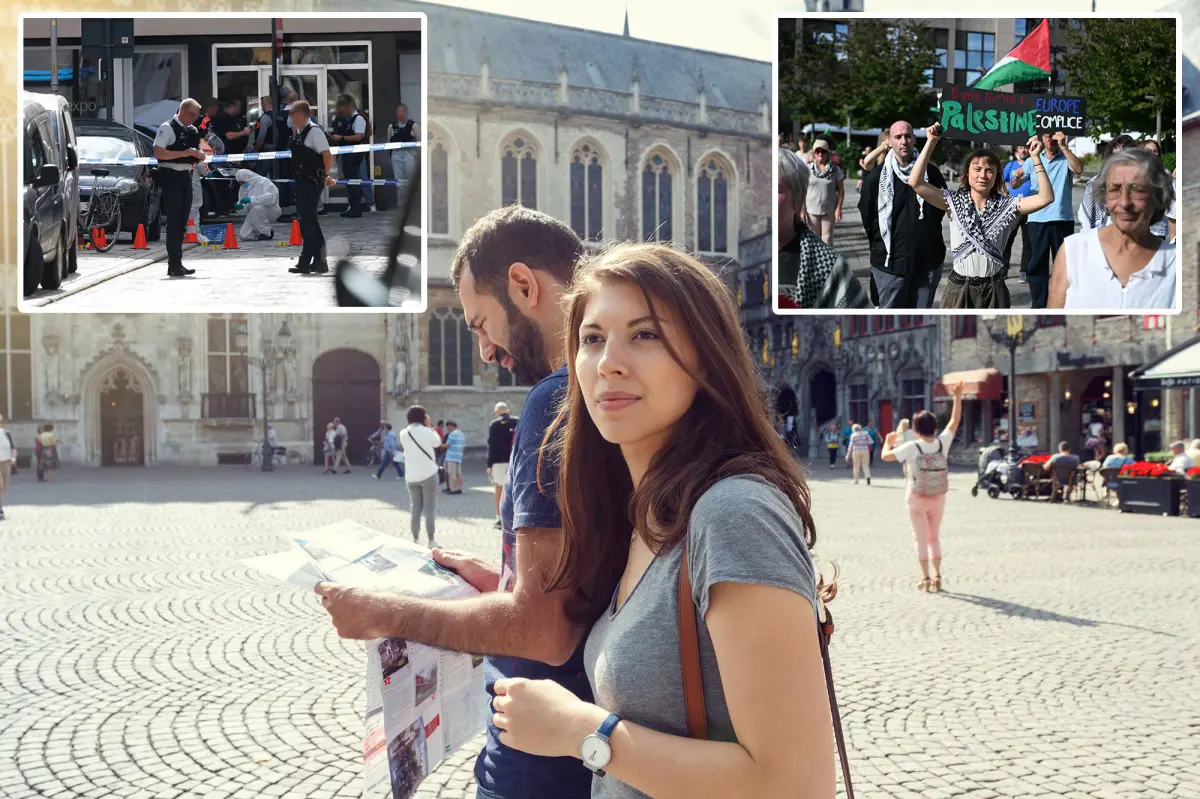
For many globetrotters, the mere mention of Belgium conjures up delightful images of strolls along cobblestone streets, majestic medieval architecture, and the irresistible aroma of freshly baked, golden-brown waffles. However, those planning a dream getaway to this European gem might want to add a dose of extra vigilance to their itinerary. On July 23, the U.S. State Department officially upgraded its travel advisory for Belgium to a Level 2, urging American citizens to “exercise increased caution” when visiting. While a Level 2 rating is far from a mandate to cancel your flight, it serves as a gentle but firm reminder from government officials that even the most picturesque destinations require travelers to keep their wits about them. The reasons behind the shift stem from a mix of localized crime, persistent concerns over regional terrorism, and sporadic civil unrest that can catch unsuspecting tourists off guard.
When we travel, it is easy to get swept up in the magic of a new place, but the State Department warns that opportunistic criminals are always waiting for tourists to let their guard down. In Belgium, petty crime—particularly pickpocketing, purse snatching, and bag theft—is incredibly common in heavily trafficked tourist hotspots, bustling markets, and major transit hubs. Security officials point out that backpacks and small shoulder bags are prime targets, especially when travelers set them down on restaurant floors, hang them on the backs of chairs, or stow them in overhead luggage racks on trains. To make matters worse, transit security is also tightly bound to local laws; the advisory reminds travelers that marijuana and other recreational drugs remain strictly illegal in Belgium. Attempting to bring these substances across the country’s borders, whether arriving, departing, or just passing through on a train, can result in severe legal consequences that will instantly ruin any vacation.
Beyond the nuisance of stolen wallets, the advisory touches on the heavier, more sobering reality of modern global travel: the threat of terrorism. Belgium has historically been a focal point for European transit and politics, which unfortunately makes it a symbolic target for extremist violence. The State Department’s warning points to a persistent risk of terrorist activity, recalling tragic events that still linger in the collective memory of the region. Just last year, a terrifying attack in Brussels claimed the lives of two Swedish travelers, and years earlier, the devastating 2016 bombings at the Brussels airport and the city’s metro system left 32 people dead. While these horrific events are thankfully rare, they underscore why security agencies remain on high alert and why travelers are encouraged to maintain situational awareness, particularly in crowded public squares, transportation hubs, and government districts.
Adding to the complexity of navigating Belgium safely is the frequent occurrence of public demonstrations and civil unrest. Because Brussels serves as the de facto capital of the European Union, it is a natural stage for passionate political expressions, labor strikes, and social activism. While the vast majority of these demonstrations begin peacefully, they have a tendency to disrupt public transportation, close down major roads, and occasionally escalate into physical confrontations. Just recently, tense clashes erupted in the heart of Brussels during a protest against proposed education reforms, prompting police to deploy tear gas to disperse crowds amidst vandalized streets, broken windows, and scattered debris. Similarly, activists from the Freedom Flotilla Coalition staged highly visible protests ahead of an EU leaders’ summit. The State Department advises travelers to steer completely clear of large crowds, monitor local news broadcasts for sudden developments, and be prepared to flexibly alter their daily sightseeing plans if a protest blocks their path.
While a Level 2 warning might sound alarming to someone planning a relaxing vacation, it is important to contextualize this rating within the broader landscape of global travel. The State Department constantly monitors and updates safety ratings for every nation on a scale from Level 1 (exercise normal precautions) to Level 4 (do not travel). Belgium is far from the only popular destination to receive a Level 2 designation; around the same time, the Bahamas was given the same warning due to concerns over armed robberies and sexual assaults. Meanwhile, parts of neighboring Mexico face much harsher Level 3 (“reconsider travel”) or even Level 4 warnings due to rampant cartel violence. A Level 2 rating simply places Belgium in the company of many other major Western European nations where travelers should simply be street-smart and aware of their surroundings rather than fearful.
Ultimately, the goal of these travel advisories is not to discourage us from exploring the world, but to empower us to do so safely and intelligently. Travel is one of life’s greatest teachers, and with a few simple precautions, a trip to Belgium can still be an incredibly rich and rewarding experience. To help bridge the gap between safety and adventure, the State Department highly recommends that all overseas travelers register for the Smart Traveler Enrollment Program (STEP). This free, user-friendly service connects your trip details with the local U.S. Embassy or Consulate, allowing them to send you real-time safety updates and reach you quickly in the event of an emergency. By packing a healthy dose of situational awareness alongside your passport, you can confidently navigate Belgium’s historic streets, enjoy its world-class culinary delights, and return home with nothing but beautiful memories.