


There is a strange paradox hanging over Los Angeles right now. Walk down almost any commercial street in the city and you’ll see shuttered storefronts, darkened windows, and sad little “closed permanently” signs taped to the glass. The hospitality industry has been battered by rising rents, shifting habits, and the general exhaustion of a city that seems to be constantly rebuilding itself. And yet, if you try to get a reservation at one of LA’s most talked-about restaurants, you might assume the opposite was true. The dining rooms are full, the waiting lists are long, and the calendars are booked for weeks, sometimes months, in advance. It’s a bizarre split-screen reality: the city is losing beloved institutions left and right, but the hottest tables in town are more competitive than ever. From the Tokyo-inspired pies at Pizzeria Sei to the futuristic spectacle of Skywalker Grill, from the New York bluster of Bad Roman to the hushed, temple-like tasting counters of Somni and N/Naka, scoring a seat can feel less like making a dinner plan and more like winning the lottery. But here’s the thing: it’s not pure luck. The restaurant-obsessed insiders at The Infatuation have spent serious time studying the reservation systems at some of LA’s most maddeningly exclusive spots, and they’ve cracked the code. They know the exact minute tables are released. They know when last-minute cancellations tend to surface. They know which places quietly hold seats for walk-ins. If you love food and you live in Los Angeles, that kind of intelligence is gold. You don’t need to give up on your dream dinner. You just need a plan, a few alarms, and maybe a little bit of patience.
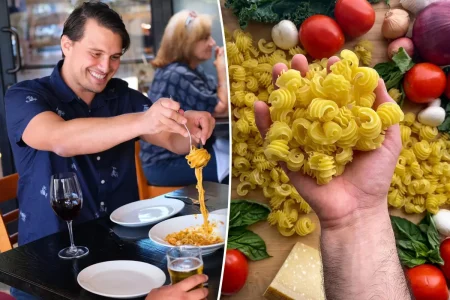
Let’s start with the pizza, because in Los Angeles, pizza has become a full-blown obsession. Pizzeria Sei, the cult favorite that built its reputation on meticulously crafted Tokyo-style Neapolitan pies in a tiny Pico-Robertson original, has expanded to a second location in Palms. The pies are almost comically beautiful, with blistered crusts, delicate toppings, and a chew that makes people weak in the knees. Unsurprisingly, the demand is fierce. According to the insiders, reservations for both locations are released at noon exactly one week in advance. That means if you want a table next Friday, you need to be refreshing your browser at 12:00:00 sharp, because the slots evaporate in minutes. The restaurant does keep some limited seating for walk-ins, and if you’re willing to be flexible, the experts say your odds improve significantly after 8 p.m. So there is a world where you can show up, put your name in, wait a little while, and then sink your teeth into one of the most sought-after pizzas in the city. But it takes nerve. Over in Echo Park, Quarter Sheets Pizza Club offers its own brand of pizza devotion. The tiny restaurant became legendary for its square pies and its beloved princess cake, inspiring what can only be described as a fierce following. For years, the only way to get in was to walk up and hope. Now they’ve started accepting reservations, but the window is just as brutal: log on at 9 a.m. two weeks before the night you want. That’s not a morning for sleeping in. That’s a morning for coffee, a laptop, and a desperate willingness to click faster than the person next to you.
If pizza is competitive, the high-end tasting counter scene is another animal entirely. Somni, the three-Michelin-starred restaurant in West Hollywood, is one of the most exclusive and expensive culinary experiences in Los Angeles. There are only fourteen seats. There is only one dinner seating, five nights a week. And if you manage to get in, you’ll be asked to pay a $600 deposit up front just to hold your spot. What do you get in return? A nearly four-hour “orchestrated play” of twenty-five courses, a meal that is less a dinner and more a piece of living theater. Reservations are released at 1 p.m. on the first weekday of each month, and you need to be ready. There is no walking in. There is no waiting list. There is just a tiny window of opportunity, and then it’s gone. Holbox, over in South LA, is a different kind of gem but no less maddening. Tucked inside a food hall, this Michelin-starred seafood counter is humble in appearance and extraordinary in execution. Their eight-course tasting menu is only offered on Wednesday and Thursday nights, and reservations are released at 11 a.m. on the first of each month. They vanish almost immediately. You cannot blink. You cannot hesitate. You just have to be there, fingers hovering over the keyboard, ready to commit to a seafood journey that will absolutely be worth the stress. Then there’s N/Naka, the ultra-exclusive Japanese restaurant where the tasting menu costs $395 per person before tax and tip, and where the chef’s artistry has made it a pilgrimage site for food lovers around the world. Reservations are released on Sundays at 10 a.m., exactly one month in advance. That means your entire month has a rhythm: one Sunday is reserved for trying to get a table at N/Naka. If the online system is already booked, the insiders recommend emailing the restaurant about last-minute cancellations. It’s not guaranteed. But it’s a way in. It’s a thread to pull. For these kinds of restaurants, you’re not just making a reservation. You’re applying for an experience. You’re committing to showing up with your full attention, your appetite, and your willingness to trust the chef.
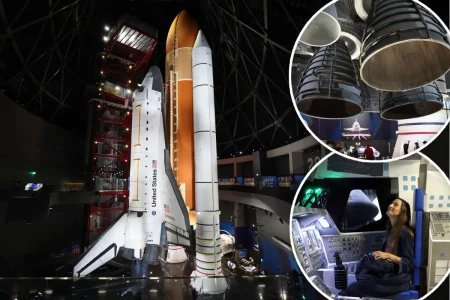
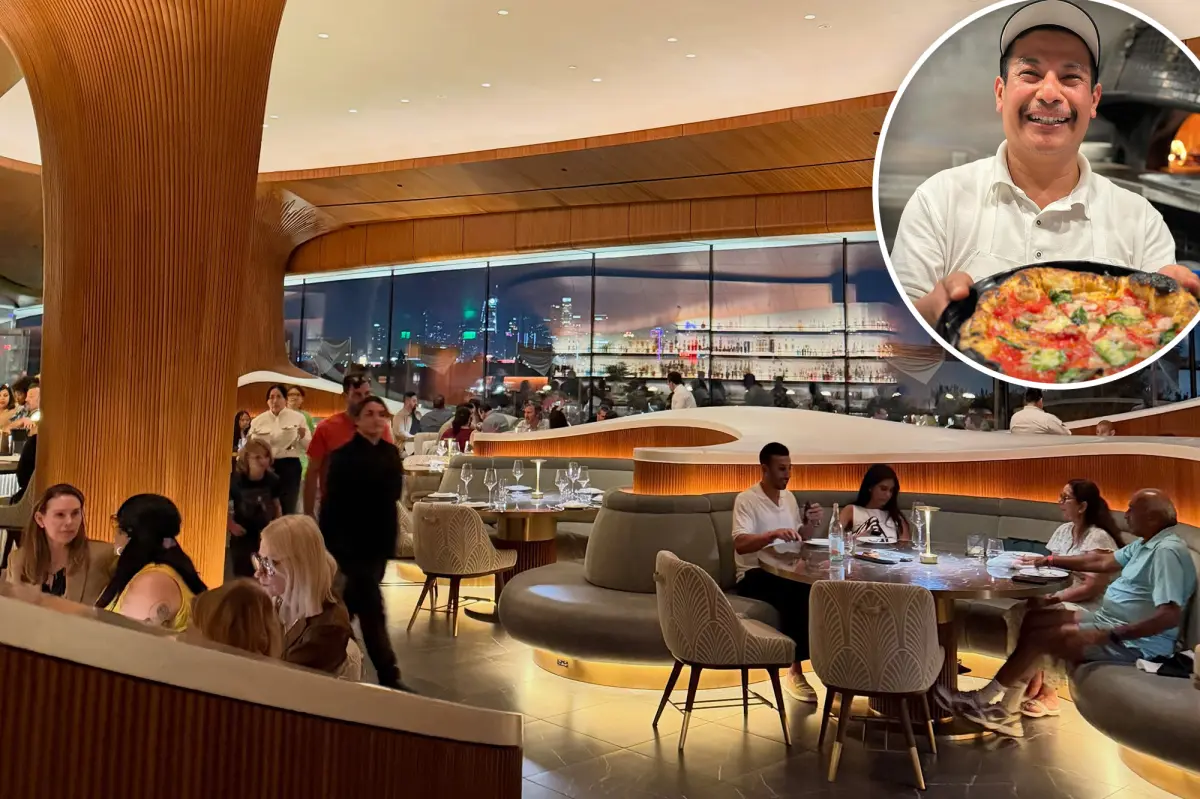
But not every hot table in Los Angeles is an old-school temple of fine dining. Some of the most exciting competition right now is happening at newer, flashier, and frankly more playful spots. Skywalker Grill, perched atop the newly opened Lucas Museum, is exactly what it sounds like: a futuristic dining room with sweeping downtown views and spaceship-like interiors that make you feel like you’re eating inside a science fiction film. It has become a magnet for curious Angelenos, and tables are reportedly booked out months in advance. But here’s the insider secret: the restaurant releases canceled reservations on the day of service. So if you’re persistent, if you check the app in the morning, if you keep refreshing while you’re standing in line for coffee, you might just swoop in at the last minute. There are also a limited number of first-come, first-serve bar seats, which means you can sometimes just show up and hope for a miracle. Over in Beverly Hills, Bad Roman has brought a hefty dose of New York energy to the city’s polished dining scene. The dining room is adorned with garlic-shaped chandeliers, the menu features pepperoni cups with ranch dressing, and the vibe is unapologetically loud and fun. It’s the kind of place where people dress up, order too much, and feel like they’re part of something. Reservations are released at midnight, thirty days in advance. That means serious diners need to be ready when the clock strikes twelve, as if they’re trying to buy concert tickets from a scalper in 2003. If you miss the online window, your best bet is to walk in and put your name down for the bar, where there’s always a little more room to maneuver. In Silver Lake, Bar Di Bello is the swanky Italian newcomer that has everyone talking, a place where stylish diners sip supersized Negronis and chow down on enormous chicken cutlets. Insiders say reservations drop at midnight two weeks in advance, but same-day cancellations can free up tables if you’re paying attention. And if you’re an early bird, you can try walking in around 5 p.m., when the restaurant is just waking up and there might be a seat at the bar waiting for you.
Then there are the hidden places, the ones that feel like secrets even though everyone seems to know about them. Restaurant Ki is tucked inside Little Tokyo’s Bar Sawa, behind a door that says “Employees Only.” You have to know it’s there. You have to be willing to push open that door and step into another world. Inside, the exclusive Korean tasting counter accommodates just twelve lucky diners at a time. Twelve. That’s it. Those who manage to snag a seat are treated to a $300, twelve-course culinary extravaganza that is equal parts art, theater, and pure deliciousness. To get inside, you might need to set an alarm for noon on the first of each month, when reservations are released for the following month. It’s the kind of commitment that feels absurd until you’re sitting at the counter, watching the chef work, and realizing that you are part of something rare. A little farther out, in Glassell Park, Dunsmoor has become a serious hotspot and a magnet for food lovers who appreciate the rustic, open-fire cooking of chef Brian Dunsmoor. The restaurant is famous for its live-fire technique and its famously indulgent cornbread, which has achieved near-legendary status among Angelenos. Reservations are available a month in advance, but the attached wine bar accepts walk-ins. That is the key. If you can’t get a table in the main dining room, you can still sidle up to the wine bar, order a glass of something interesting, and enjoy that glorious cornbread while soaking up the warm, wood-smoked atmosphere. It’s not the same as sitting down for the full experience, but it’s a way in. It’s a way to be part of the room, to taste the food, to feel the energy. And sometimes, that’s enough.
In the end, this strange landscape of Los Angeles dining is a reminder that the city is full of contradictions. Restaurants are closing at a brutal pace, and the people who work in this industry are exhausted, overstretched, and continually asked to do more with less. And yet, there are still places where the tables are full, where the demand is insatiable, where people are willing to set their alarms, refresh their browsers, and rearrange their entire schedules for a single meal. It’s a little absurd, if you think about it. But it’s also deeply human. We want to belong. We want to experience something beautiful and delicious and worth remembering. We want to sit in a room full of people who all care about the same thing, even if that thing is just a really good slice of pizza. The insiders at The Infatuation have given us the map. They’ve told us when to strike, when to refresh, when to show up, and when to send an email begging for a cancellation. But the real lesson is simpler than any reservation hack: Los Angeles is still a city that knows how to eat. It is still a city where chefs take risks, where diners show up with hope, where a meal can feel like a tiny celebration in the middle of a chaotic world. So set your alarm. Clear your calendar. Practice your typing speed. And then go. Because the table is out there, waiting for you. The only question is whether you’re willing to fight for it. And if you are, you might just find yourself sitting in a packed dining room, looking around at the glowing faces of your fellow diners, and thinking: this is why we live here. This is why we care. This is what it means to be hungry in Los Angeles.