



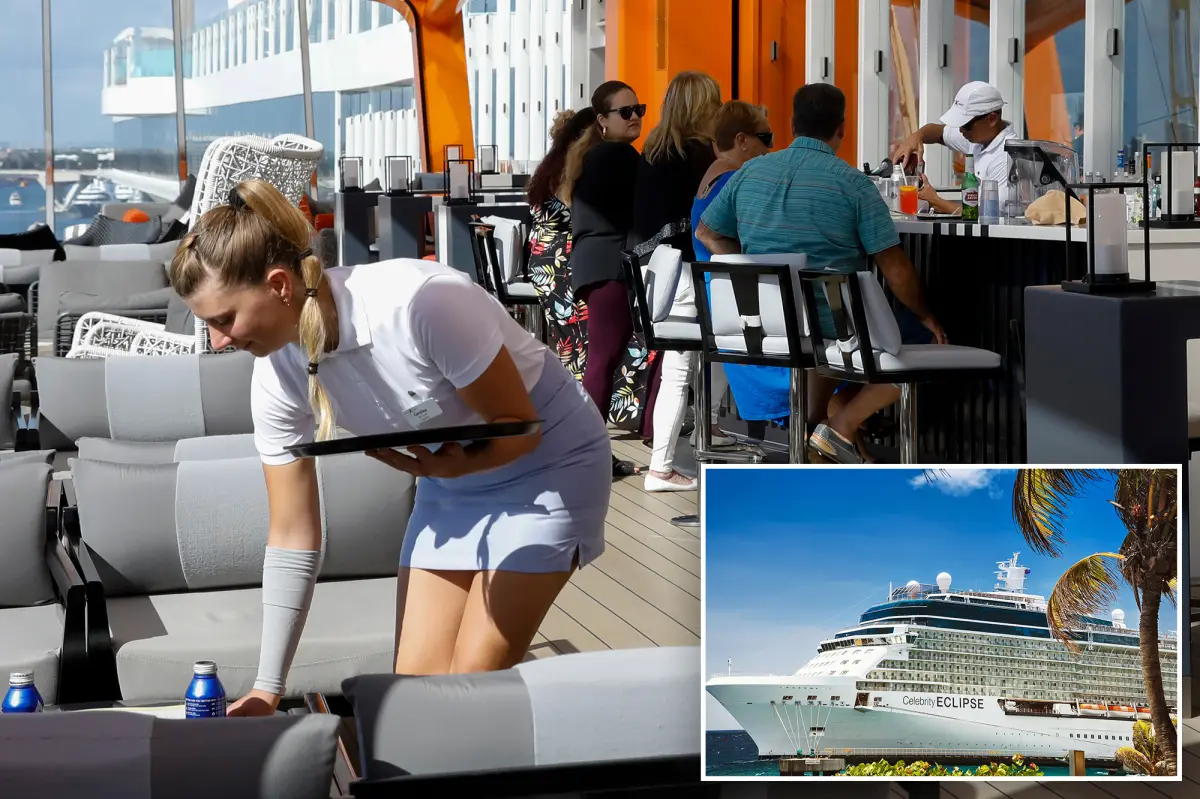
For many vacationers, stepping onto a cruise ship represents the ultimate escape from the stressful, constant micro-transactions of modern daily life—a fleeting sanctuary where accommodations, dining, and premium entertainment are seamlessly taken care of under one prepaid ticket. However, that cherished illusion of carefree luxury was recently shattered for passengers sailing with Celebrity Cruises when the ocean liner quietly implemented a sudden and completely unannounced hike in its automatic daily gratuity rates. On July 29, travelers woke up to discover that the daily service charges automatically added to their onboard spending accounts had risen overnight, leaving absolutely no buffer period or advance warning for upcoming guests to adjust their vacation budgets or prepay their gratuities at the older, more affordable rate. This surprise billing adjustment has ignited a fiery and highly emotional debate across online forums, social media channels, and ship decks alike, with loyal patrons expressing a potent mix of deep frustration, disappointment, and corporate betrayal. For these passionate cruisers, the core of the anger is not necessarily about the extra pocket change itself, but rather the sneaky, urgent manner in which the corporate hierarchy chose to roll out these sweeping changes. It highlights a widening, highly uncomfortable disconnect between massive cruise lines trying to maximize their post-pandemic profit margins and everyday families who feel increasingly exploited by hidden fees at every turn. In an era where vacation time is incredibly sacred, hard-earned, and highly anticipated, finding out that your expected travel expenses have jumped without notice on the very day of departure feels less like premium hospitality and more like a calculated corporate ambush. This frustrating policy shift has cast a dark shadow over the warm, stress-free, and trusting environment that Celebrity Cruises has spent decades cultivating, transforming what should have been a relaxing, therapeutic escape into a tense exercise in consumer self-defense.
To fully understand the depth of the outrage rippling through the cruising community, one must look closely at the specific numbers behind this policy shift and analyze how quickly these seemingly small daily charges accumulate over a standard family sailing. Under the newly implemented rate structure, guests staying in standard Inside, Ocean View, and Veranda staterooms are now automatically billed a hefty $19.50 per person, per day, which represents a steady $1.50 increase from the previous daily rate. For travelers who opt to upgrade their vacation experience by booking elevated categories, such as the Concierge Class or the wellness-focused AquaClass, the daily fee has climbed to $20.50 per person, while those staying in the ultra-exclusive, high-end suites of The Retreat are now charged a staggering $24.50 per person, per day. When scaled up across a multi-person household, these incremental increases quickly compound into a significant financial burden that can disrupt a carefully planned travel budget; a typical family of four staying in a Veranda cabin on a simple seven-night cruise will now find an automatic charge of $546 added to their final onboard bill for gratuities alone. To make matters worse, this daily service charge is merely one layer of the cruise line’s aggressive tipping ecosystem, as Celebrity also automatically tacks on an unrelenting 20% gratuity to almost every single incidental purchase made on board. This includes alcoholic and non-alcoholic beverages, specialty dining reservations, room service orders, minibar items, and even pampering treatments at the onboard spa and salon, leaving guests feeling as though they are continually being coaxed to open their wallets. This multi-tiered billing system ultimately turns what was once marketed as a relatively all-inclusive, stress-free escape into an exhausting, hyper-vigilant exercise in monitoring one’s personal finances while at sea.
In defense of this highly controversial decision, Royal Caribbean Group—the Miami-based parent corporation that owns Celebrity Cruises—has stood firmly behind the policy, framing the overnight rate hike as a necessary and highly positive mechanism for maintaining competitive crew compensation. A corporate spokesperson for the company explained that these automatic service charges are directly funneled back to the shipboard employees, aligning the cruise line with modern, industry-wide standards and directly rewarding the tireless staff members who consistently go above and beyond to make passenger vacations truly unforgettable. While it is undoubtedly true that the crew members—ranging from cabin stewards who work grueling twelve-hour shifts to dining room waiters who effortlessly remember your favorite drinks—are the true human heart and soul of the entire cruise experience, many passengers feel that the cruise line is using their genuine affection for the crew as an emotional shield to justify corporate greed. Critics argue that if the parent company truly wished to honor, support, and retain their hard-working labor force, they would pay them a stable, respectable living wage directly out of their massive annual corporate earnings rather than shifting the financial burden of basic payroll onto a mandatory-yet-optional passenger tipping system. By relying so heavily on a fluctuating, passenger-funded gratuity program, the corporation effectively distances itself from its direct labor costs, leaving staff wages dependent on the goodwill of guests who are themselves struggling against global economic inflation. This dynamic creates an uncomfortable, emotionally manipulative dilemma for travelers, who desperately want to support the cabin stewards and bartenders they bond with, but deeply resent being forced to subsidize the basic operating costs of a multi-billion-dollar travel conglomerate.
The primary catalyst for the widespread backlash among travelers, however, was not the simple fact that gratuities went up, but rather the total lack of advanced notice, transparency, and consumer respect surrounding the corporate announcement. Historically, when cruise lines decide to adjust their daily service fees, they offer a standard courtesy window of several weeks or even a month, allowing booked passengers the fair opportunity to prepay their gratuities at the older, lower rate—a simple gesture that fosters customer goodwill, mutual respect, and brand loyalty. Celebrity Cruises completely bypassed this healthy industry norm, making the sudden announcement on the exact same day the higher rates went into immediate effect, which left upcoming passengers feeling completely blindsided, manipulated, and trapped by the sudden change. Cruising communities on digital platforms like Reddit and Facebook erupted in collective disapproval, with members pointing out the jarring unfairness of having absolutely zero lead time to lock in prepay savings. Angry commentators expressed their sheer disbelief at the suddenness of the move, noting that a simple, respectful warning would have allowed them to plan their family vacation budgets accordingly rather than having the new fees thrust upon them with what felt like a hostile, cash-grabbing, immediate corporate ultimatum. This abrupt, profit-centric execution has severely tarnished the cruise line’s reputation for premium hospitality, with many long-time travelers noting that the lack of open communication feels incredibly cheap and disrespectful for a line that heavily markets itself to the public as a luxury-focused, upscale vacation experience. By eliminating the transition period, the company essentially stripped passengers of their autonomy and choice, creating a hostile environment of forced compliance. This sudden policy shift is particularly bruising for loyal, repeat cruisers who have spent years defending the brand’s premium status, only to feel treated like numbers on a spreadsheet. In an era where digital communication is instantaneous, the decision to hide the rate hike until active billing began shows a distressing disregard for customer relations, proving that corporate convenience was prioritized over the baseline trust required to maintain a loyal traveler base.
In a direct, grassroots response to what they perceive as corporate heavy-handedness, a growing and highly vocal contingent of passengers is planning a quiet rebellion by seeking to bypass the automatic billing system altogether. Rather than allowing the cruise line to dictate how, when, and to whom their hard-earned money is distributed, these travelers are opting to visit the Guest Relations desk on the first day of their voyage to have the automatic gratuity charges completely removed from their onboard accounts. Their plan is not to stiff the hard-working onboard staff, but rather to take absolute control of their own generosity by handing physical cash directly to the specific cabin attendants, bartenders, and dining room servers who actually assist them throughout their journey. For these rebellious guests, cash tipping has become a matter of personal ethics and financial clarity; it provides an absolute guarantee that 100% of their money goes straight into the pockets of the workers who served them, rather than being processed, pooled, or potentially diluted by opaque corporate bookkeeping systems. However, this direct physical strategy is not without its controversies and logistical headaches, as traditionalists point out that opting out of the automated pool can inadvertently hurt the unsung, behind-the-scenes staff members. Employees like galley cooks, laundry workers, and utility crew keep the ship running smoothly but rarely interact directly with passengers, meaning they miss out on cash handouts entirely, which highlights the complex, interconnected ethical ecosystem of cruise labor that travelers must navigate. This creates a moral catch-22 for frustrated cruisers who want to protest the corporate policies without inadvertently harming those at the very bottom of the ship’s economic ladder. The physical act of going to the Guest Relations desk to remove the tips also carries an uncomfortable social stigma, as passengers must stand in long lines and justify their decision to crew members working the front desk. Despite these challenges, the sheer number of travelers actively discussing and implementing this cash-only strategy highlights a profound breakdown of trust in the system, proving that many would rather endure social awkwardness and logistical hassle than allow a billion-dollar company to manage their charitable impulses.
Ultimately, this loud and passionate controversy has reignited a much broader, long-standing conversation about the future of pricing structures within the entire global cruise industry, with many calling for a total overhaul of how fares are presented to consumers. A significant and growing number of travelers are urging Celebrity Cruises to abandon the confusing, stressful web of add-on fees entirely and follow the noble lead of ultra-luxury cruise lines by building all gratuities and service charges directly into the initial advertised ticket price. They argue that honest, upfront, comprehensive pricing would eliminate the persistent, low-grade anxiety of being constantly “nickeled-and-dimed” throughout a trip and restore the legendary, worry-free peace of mind that once defined ocean-bound vacations. While a small and highly forgiving minority of cruisers maintain that the hard-working crew deserves every single penny of the increase regardless of how it is ultimately billed, even they concede that the cruise line’s clumsy, abrupt implementation of the policy was a major public relations disaster. As modern travelers demand greater honesty, clarity, and respect from the travel brands they choose to support, the vital lesson for Celebrity Cruises and its corporate parent is clear: while passengers are more than willing to generously reward exceptional human service, they will fiercely resist any corporate maneuver that makes them feel like their goodwill is being exploited through sudden, non-negotiable financial demands. In the end, a successful cruise is built on the human connection between the passenger and the crew, and by playing sneaky financial games with that relationship, cruise lines risk permanently damaging the very heart of their business model. When vacationers look back on their travels, they remember the smiles of the crew and the feeling of being pampered, not the corporate spreadsheets; however, when the billing process becomes a source of resentment, those happy memories are easily poisoned. To salvage their relationships with their most dedicated customers, lines like Celebrity must realize that hospitality cannot be automated or extracted through forced fees, but must instead be built on a foundation of transparency, mutual respect, and genuine corporate accountability.