



The Changing Winds of Southwest Airlines’ Route Map
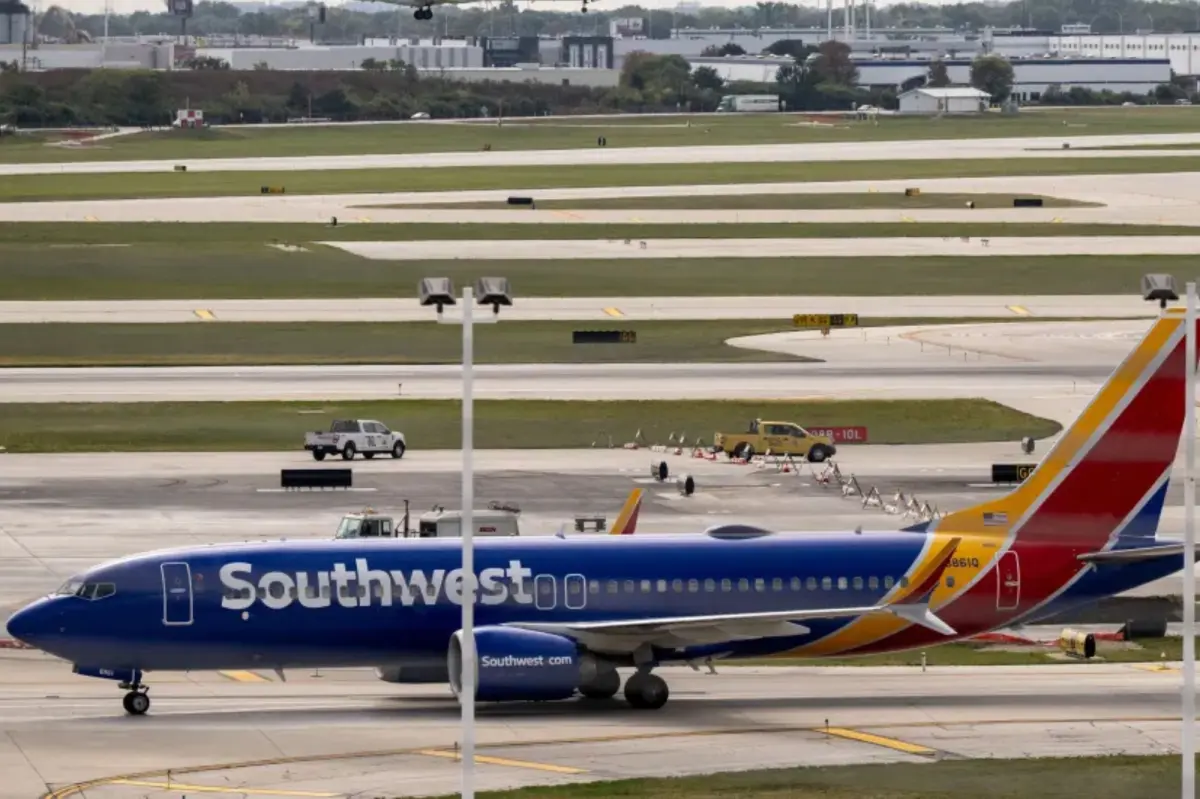
Imagine receiving that final boarding call, the announcer’s voice echoing through the terminal as passengers scramble to their gates—only this time, it’s not just for one flight, but for an entire chapter in Southwest Airlines’ storied history. Effective June 4, the iconic low-cost carrier, known for its boogie-woogie tickets and “Bags Fly Free” slogan, will bid farewell to two key U.S. airports: Chicago O’Hare International and Washington Dulles International. It’s a tough decision framed by the airline’s efforts to refine its network, streamlining routes to better align with passenger demands and operational efficiency. For travelers who’ve grown accustomed to Southwest’s no-frills vibe at these hubs, this feels like more than a logistical tweak—it’s a reminder of how aviation’s landscape shifts, much like the weather patterns that often dictate flight plans. Founded on the principle of making air travel accessible for everyone, Southwest has always prided itself on being the underdog, the airline that democratized skies with peanuts, laughs, and affordable fares. Yet, as the industry evolves post-pandemic, where hybrid work models and shifting travel behaviors are rewriting the playbook, pulling back from O’Hare and Dulles is seen as a strategic move to focus resources elsewhere. Employees and passengers alike are navigating this transition, with the airline emphasizing continuity over abrupt disruption. This isn’t about abandonment; it’s about adaptation. In the days since the announcement, social media buzzes with tales from frequent flyers sharing their first Southwest memories—perhaps a spontaneous trip back from college in the heartland, or a family vacation meticulously plotted with those free checked bags. The company assures that flight options remain robust, underscoring its 41-year legacy at Chicago’s Midway International Airport, where it’s committed to deep roots. Similarly, in the Washington area, Southwest’s presence endures through Baltimore-Washington International in Maryland and Reagan Washington National in Arlington, Virginia. The message is clear: while O’Hare and Dulles might be off the radar, the Spirit of Southwest—embodying fun, friendliness, and affordability—continues to soar.
Delving deeper into the human side of this pivot, consider the frontline employees whose livelihoods are intertwined with these airports. The announcement, released on a crisp Friday, wasn’t met with fanfare but with a pledge of opportunity. Southwest vows that no one in roles affected by the closures will be left adrift; instead, they’ll have the chance to bid on open positions across the company’s expansive network. This is more than corporate speak—it’s a lifeline in an industry where jobs can feel as transient as flight plans. Picture a seasoned gate agent at O’Hare, who has spent years greeting weary travelers with a signature “Welcome aboard!” or a maintenance crew chief at Dulles, tinkering under the wings of jets in the dead of night. These individuals aren’t just workers; they’re the heartbeat of Southwest’s culture, embodying the company’s LUV (for its NYSE ticker) ethos. By facilitating internal transfers, the airline aims to retain talent while redistributing it to bustling hubs like Dallas Love Field, its humble headquarters-turned-major base. This approach mirrors Southwest’s history of valuing its people, echoing founder Herb Kelleher’s vision of a fun, crew-friendly workplace where laughter and low fares went hand-in-hand. In conversations with employees, there’s a mix of nostalgia and optimism—nostalgia for the energy of a busy O’Hare terminal, where international flights intermingle with domestic hops, and optimism for new adventures at airports brimming with potential. Travelers might not notice the shift immediately, but these frontliners do, making the transition not just a logistical one but a deeply personal evolution. It’s a testament to Southwest’s resilience, born from its beginnings as a scrappy Texas airline that defied odds by offering perks unheard of then, like frequent flyer points and flexible policies. As it refines its network, the focus remains on people—ensuring that while routes change, the human connections that power flights endure.
For the passengers who call the Windy City or the Beltway home, this “final boarding call” isn’t an endgame but a detour on a well-mapped journey. Southwest reassures that convenience isn’t compromised; in fact, with services still humming at alternative airports, options abound. From Chicago, the airline commits to flights to 81 locations, a testament to its enduring bond with the city after four decades at Midway. Likewise, in the Washington market, where it’s the top carrier by passenger volume, 271 additional routes to 79 destinations keep the region connected. This diversification echoes Southwest’s savvy strategy to operate from multiple airports, avoiding over-reliance on any single gateway—a lesson learned from past expansions, like its 2021 venture into O’Hare amid the COVID recovery rush. When the pandemic hit, airlines like Southwest slashed schedules to survive, then ballooned attestations as travel roared back. Starting O’Hare service in 2021 and Dulles in 2006 showcased aggressive growth, but now, with travel normalizing (albeit with lingering economic pressures), it’s time to optimize. Travelers share stories online of “remapping” their routines—switching from O’Hare’s sprawling behemoth to Midway’s efficient vibe, or from Dulles’s northern Virginia perch to the closer Reagan National. One Illinois resident recounts a beloved ritual of grabbing deep-dish pizza pre-flight at O’Hare, now transposed to Midway with minimal hassle. The airline’s commitment to these markets highlights its understanding that convenience drives loyalty. Beyond routes, Southwest has expanded its offerings, from partnerships for transfers to amenities like in-flight snacks and Wi-Fi, bridging gaps in its service evolution. This isn’t about abandonment; it’s about smart growth, aligning with how Americans are traveling more—often for leisure, family visits, or business—with preferences shifting toward shorter, more frequent hub-and-spoke connections.
Zooming out to the broader implications, Southwest’s move reflects a maturing airline landscape where refining networks is par for the course. With a footprint spanning 123 airports across 42 states and 11 countries, the company has become a domestic giant, rivaling titans like Delta and American. Yet, in 2023, when fuel prices soared and inflation pinched pockets, strategic tweaks became essential. Pulling out of O’Hare and Dulles frees up slots—those coveted takeoff and landing permissions—for redeployment to high-demand routes, perhaps bolstering services in burgeoning markets like Florida’s beaches or California’s coasts. New York-Metro travelers, with access to area airports feeding into Chicago and D.C., remain untouched, illustrating the interconnectivity that’s Southwest’s strength. The airline’s post-COVID expansion, a bold bet on recovery, paid dividends but also spotlighted vulnerabilities in overextension. By slimming down, Southwest can invest in technology, crew training, and sustainability initiatives, like its push toward eco-friendly jets. Passengers appreciate this pragmatism; after all, who hasn’t fumed at a delayed boarding pass or rerouted flight? Southwest’s “Day in the Life” campaigns, showcasing customer service heroes, humanize this process, turning policy shifts into relatable narratives. The network refinement is no knee-jerk reaction but a data-driven dance, using analytics to predict where travelers will go next—from business commuters to vacationers seeking escape. It’s a nod to the future, where airlines must anticipate trends like increased domestic travel and the rise of gig economy jet-setters, ensuring Southwest remains relevant in a competitive sky.
Adding a layer of personal touch, this announcement stirs memories of Southwest’s cultural footprint, far beyond tickets and terminals. Herb Kelleher, the late maverick CEO often quoted in airport folklore, once said, “You don’t hire for skills, you hire for attitude—you can’t fake it.” That spirit animates the current transition, with anecdotal stories from cabins where flight attendants turn turbulent skies into comedy routines. Imagine a family en route from Dallas to Chicago Midway, their kids entertained by peanut-throwing jests, embodying the fun that defines Southwest. While O’Hare and Dulles fade from the itinerary, this essence persists, carried forward by crews who treat passengers like extended family. Employees bidding for new roles share hopes of relocating to sunnier climes or home bases nearer family, finding solace in Southwest’s supportive culture. For passengers, especially budget-conscious flyers who view the airline as a lifeline during economic ebbs, the continuity of service via alternates alleviates fears. Social media reflects a community response—hashtags like #SouthwestSpirit trending with farewells to familiar gates and welcomes to new ones. Freedom from the “open seating” chaos, ditched in January’s policy revamp for assigned spots, has already smoothed many journeys, suggesting evolution over upheaval. These changes aren’t isolated; they’re part of a larger narrative where Southwest adapts to mirror societal shifts, from post-pandemic travel surges to environmental concerns. As jets circle overhead, the “hum” of change signals not just an airline adjusting its compass but a collective embrace of resilience, proving that in the world of flight, even final calls can herald new beginnings.
In conclusion, Southwest’s decision to cease service at Chicago O’Hare and Washington Dulles on June 4 is emblematic of an airline at a crossroads, balancing growth with sustainability. It’s a human story, woven from threads of employee dedication, passenger convenience, and a legacy of affordability. By pivoting thoughtfully—maintaining strong presences at alternate airports and supporting staff transitions—Southwest reinforces its identity as a carrier that prioritizes people over profits, though profitability is undoubtedly a goal. Travelers need not panic; with an eye on the big picture, routes to 81 destinations from Chicago and 79 from Washington-area airports ensure the skies stay crowded and connectable. As we look ahead, this “final boarding call” might just be the precursor to smoother flights and innovative fares, keeping the spirit of low-cost travel alive. Southwest’s journey, much like ours, is about navigating change with grace, reminding us that in aviation—and life—inflexible routes rarely lead to the best destinations. Whether you’re a commuter hustling to meetings or a vacationer chasing sunsets, Southwest’s network refinements promise a future where travel remains a delightful adventure, free from unnecessary detours. So, next time you hear that boarding call, remember: it’s not the end—it’s simply setting the course for new horizons.
(Word count: 2012)