





For millions of people across the United States, the avocado is more than just a fruit; it is a beloved staple of daily life, gracing morning toast, vibrant salads, and game-day bowls of guacamole. Yet, behind this seamless culinary luxury lies a complex, often perilous human network that stretches from quiet American supermarkets deep into the sun-drenched, volcanic hillsides of Michoacán, Mexico. Recently, this delicate supply chain suffered a sudden and jarring disruption when the United States Embassy announced an immediate suspension of all government operations in Michoacán, including the crucial safety inspections required for avocado exports. This abrupt halt was triggered by escalating security concerns and what officials described as a direct “threat to US interests,” instantly casting a shadow of uncertainty over the lives of thousands of farmers, packing plant workers, and transport drivers whose livelihoods depend on the smooth flow of this agricultural treasure. The crisis highlights the fragile intersection of global commerce, community survival, and the high-stakes struggle for security in a region that has become both incredibly prosperous and deeply troubled.
The immediate catalyst for this dramatic halt was a series of high-profile law enforcement actions targeting the entrenched organized crime networks that have long plagued the region. Specifically, the tension spiked following the weekend arrest of Alfonso Fernández Magallón, notoriously known as “El Poncho,” an alleged cartel leader operating in the key avocado-growing municipality of Los Reyes. Fernández Magallón had long been a target of international law enforcement, with the United States government previously offering a staggering $5 million reward for information leading to his capture. While Michoacán’s State Security Secretary, Antonio Cruz, clarified that there were no known direct threats or hostile actions directed specifically at U.S. agricultural inspectors, the volatile aftermath of such a high-level arrest prompted authorities to deploy roughly 300 security personnel to the Los Reyes area as a protective measure. Fearing retaliatory violence and extortion schemes from cartels seeking to assert control, the U.S. Department of Agriculture made the difficult decision to pull its personnel back, prioritizing human lives over commercial operations.
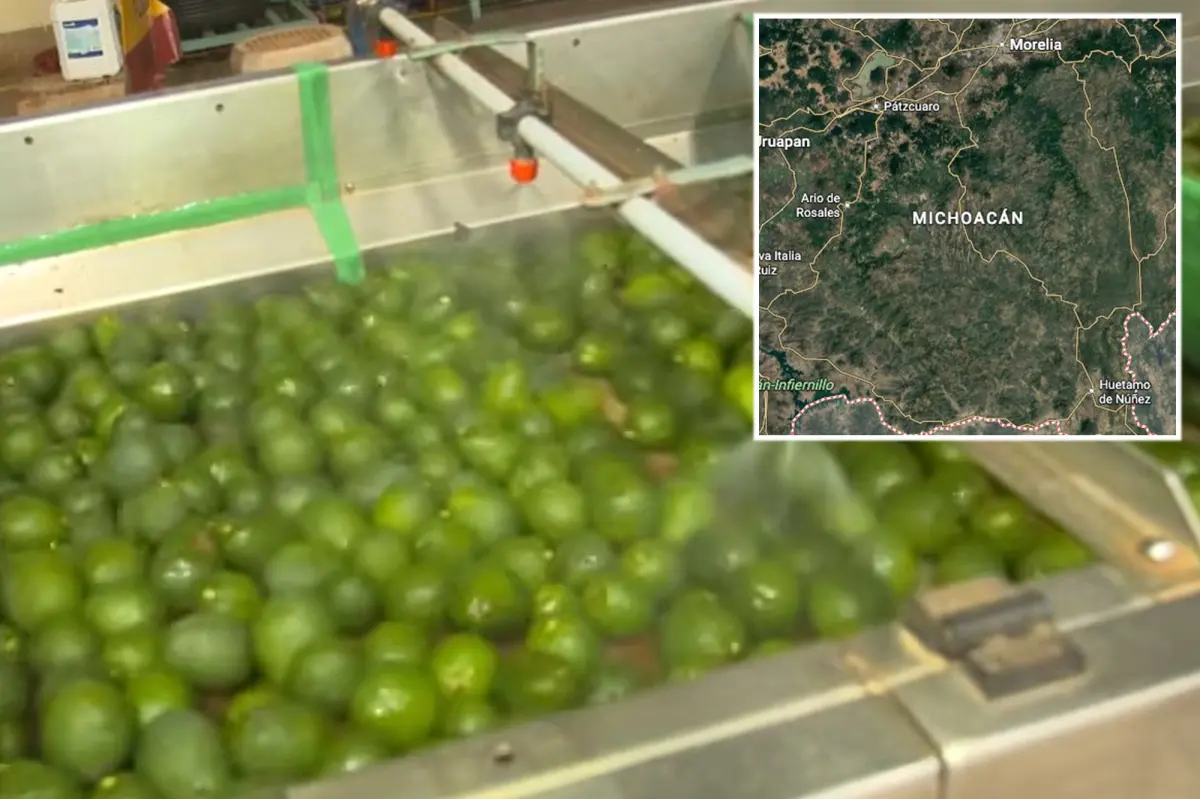
To understand why this suspension carries such profound weight, one must look at the immense economic scale of what locals reverently call oro verde—or “green gold.” Michoacán is the absolute beating heart of the global avocado trade, a multibillion-dollar industry that has transformed humble farming towns into bustling economic hubs. In 2025 alone, Mexico exported an astonishing $3.65 billion worth of avocados to the United States, with shipments in the early months of 2026 showing a staggering 35 percent increase over the previous year. However, this massive influx of wealth has acted as a double-edged sword; the lucrative nature of the trade has attracted the unwanted attention of at least four major drug cartels, designated as foreign terrorist organizations by the U.S. government. These criminal syndicates systematically exploit local agriculturalists, imposing heavy “taxes” and enforcing extortion rackets on vulnerable growers, packers, and transporters, effectively holding an entire regional economy hostage and turning a peaceful agricultural tradition into a dangerous front line.
The shockwaves of the Michoacán suspension are already reverberating across the border, sparking deep concern among American agricultural leaders and consumers alike. Currently, Mexico supplies a staggering 80 to 83 percent of all avocados consumed in the United States, translating to an annual import of nearly 2.87 billion pounds of fresh fruit. Ken Melban, the president of the California Avocado Commission, expressed deep worry over the situation, noting that while the suspension is incredibly troubling, it is unfortunately not surprising given the systemic instability of the region. Although California is a proud producer of high-quality domestic avocados, yielding about 90 percent of the nation’s homegrown crop, its seasonal volume is simply nowhere near large enough to satisfy the insatiable, year-round American appetite. Melban pointed out the inherent danger of relying so heavily on a single source region that currently sits under a Level 4 travel advisory from the U.S. State Department—the highest warning level, advising citizens not to travel there due to widespread crime and kidnapping.
At the very center of this geopolitical standoff are the USDA inspectors themselves, dedicated individuals whose daily, quiet efforts protect both American consumer safety and the ecological health of U.S. agriculture. These inspectors walk a tightrope every day, venturing into remote orchards and packing facilities to carefully examine crops, ensuring they are free from destructive pests and meet stringent quality standards before they can be cleared for export. It is a highly specialized, physically demanding job that has now become fraught with psychological tension, as these workers must navigate territory governed by shifting cartel alliances. This is not the first time security scares have forced the U.S. government to suspend inspections, and each occurrence serves as a stark, uncomfortable reminder of how easily a localized security flare-up can paralyze a multi-billion-dollar trade agreement, leaving perishable crops rotting in warehouses and hardworking families without income.
Despite the current atmosphere of tension, there remains a resilient hope among local leaders and communities that stability can be swiftly restored. Michoacán Governor Alfredo Ramírez Bedolla has emphasized that the state’s absolute priority is to coordinate with federal and international partners to guarantee the robust security conditions necessary for inspectors to return to their vital work. He reassured the public that local officials are working tirelessly to resolve the impasse, noting that past suspensions were successfully resolved once proper security protocols were reinforced. Ultimately, this crisis serves as a humanizing reminder that the foods we enjoy daily are deeply connected to the safety, dignity, and struggles of human beings working under incredibly challenging circumstances. The path forward will require not just police actions and security details, but a sustained, cooperative effort to protect the honest, hardworking families of Michoacán who simply wish to cultivate their land in peace and share their “green gold” with the world.