


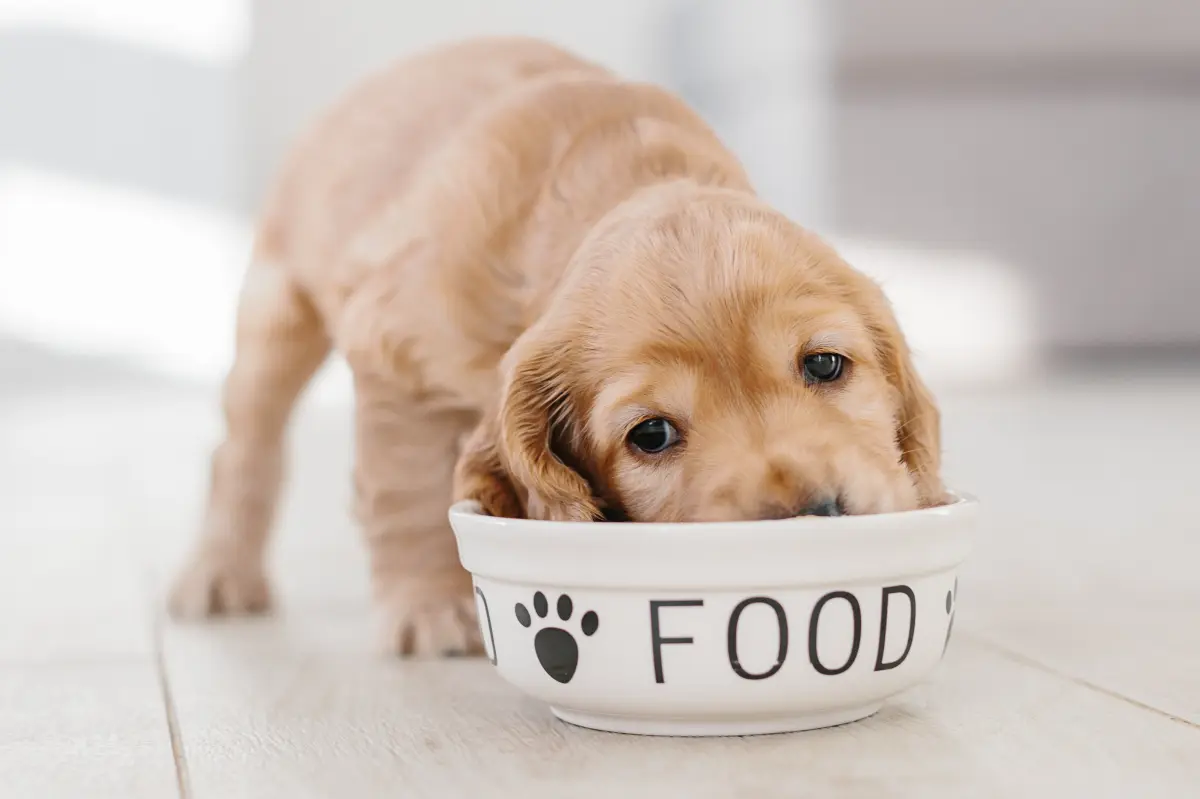
For millions of families around the world, a canine companion is far more than a simple household pet; they are a deeply cherished family member, a loyal confidante, and a source of pure, unconditional love that brightens even the darkest of days. This intense emotional connection has sparked a massive, industry-wide shift in how we view and care for our animal companions, specifically when it comes to the quality of the food we put in their bowls each day. In a passionate quest to move away from highly processed dry kibble—which is often criticized by pet wellness advocates for containing mysterious fillers, artificial preservatives, and low-grade chemical additives—an increasing number of dedicated pet owners have embraced the alternative raw food movement. Brands like Raaw Energy rose in popularity within this expanding consumer niche by promising clean, species-appropriate, raw diets designed to help dogs thrive, tap into their ancestral health, and achieve shiny coats, excellent dental health, and vibrant energy levels. However, this passionate journey toward optimal pet wellness has recently collided with a frightening, stress-inducing reality, sending shockwaves of deep anxiety throughout the pet-loving community. Federal health officials announced on Friday that Raaw Energy is officially expanding a major recall of dozens of its frozen raw dog food products due to potential contamination with Listeria monocytogenes, a highly resilient and potentially deadly bacterium that can sicken pets and humans alike. What began as a well-intentioned effort by loving owners to provide the absolute best raw nutrition has suddenly transformed into a stressful domestic safety hazard. This unexpected crisis highlights the delicate balance between feeding our pets natural, minimally processed diets and maintaining the uncompromising safety standards required to protect both our beloved animal companions and the human families who care for them daily, reminding us that food safety is an irreplaceable pillar of animal welfare.
To understand the true scale and potential reach of this safety issue, pet owners need to take a very close look inside their home freezers, as the recalled products span a surprisingly long timeline and wide geographic distribution. According to the official emergency notice released by the Food and Drug Administration, the expanded recall impacts a vast array of Raaw Energy’s frozen dog food products manufactured between July 17, 2025, and December 23, 2025. Additionally, the recall singles out a specific batch of the popular “Beef and Turkey Medley” bearing a manufacturing date of March 31, 2026. While these future-oriented manufacturing dates listed in the official regulatory documents might cause some initial confusion to consumers reading them in the present moment, the immediate takeaway for safety-minded families is that any stored raw food from this brand must be actively scrutinized. The contaminated raw meat was distributed in two-pound and five-pound clear plastic tubes, which were securely packaged inside plain, unmarked brown cardboard boxes. These products were sold and distributed directly through Raaw Energy’s official e-commerce website as well as via designated, local container pickup locations established across a massive portion of the East Coast and mid-Atlantic regions. Specifically, families residing in Connecticut, Delaware, Massachusetts, Maryland, New Hampshire, New Jersey, New York, Pennsylvania, and Virginia are being urged to check their inventories immediately to prevent any accidental exposure. The recall list itself reads like a menu of canine favorites, including recipes such as “Beef and Chicken,” “Beef and Turkey Medley,” “Chicken Medley,” and the highly sought-after “Hybrid Dog’s Best Friend.” Because raw pet food is meant to be stored frozen to preserve its raw state, many of these contaminated tubes could easily be sitting undetected in home chest freezers, waiting to be served by completely unsuspecting owners. This long shelf-life means that a purchase made months ago could still pose a risk today, making a thorough freezer audit absolutely essential for households in the affected states.
What makes the presence of Listeria monocytogenes in raw pet food so uniquely terrifying is the silent, insidious nature of the pathogen, which poses a dual threat to both animals and the humans who love them. Unlike other common foodborne bacteria that might only affect the creature directly consuming the raw meat, Listeria is a highly contagious, biological hitchhiker that easily leaps the species barrier. The primary danger is that human infection does not require a person to accidentally ingest the raw dog food; simply handling the frozen rolls, portioning the meat into a pet’s dish, or washing a contaminated bowl can transfer the microscopic bacteria to hands, countertops, and kitchen sponges. Once inside a warm household, Listeria can survive for long periods, potentially spreading to human food, refrigerator handles, and basic dining utensils. For our dogs, the danger is especially tricky because infected pets can harbor the bacteria in their gastrointestinal tracts and actively shed it in their stool without showing any visible symptoms of illness, acting as asymptomatic vectors within a busy, unsuspecting household. However, if a vulnerable dog does develop a severe infection, it can lead to devastating health consequences, including systemic illness or even death. In humans, the biological toll can be incredibly harsh and deeply personal. Healthy adults may experience exhausting physical symptoms such as sudden nausea, violent vomiting, painful diarrhea, high fevers, and intense muscle aches. But for vulnerable individuals—such as the elderly, young children, or immunocompromised individuals—the infection can quickly escalate into a medical nightmare, causing life-threatening meningitis, cerebrospinal inflammation, or severe blood infections. Furthermore, pregnant women face an especially tragic risk, as Listeria can easily bypass the placenta, resulting in devastating miscarriages, stillbirths, or severe, life-threatening infections in newborn infants. This high stakes health reality turns a simple mealtime routine into a serious public health concern.
Behind the clinical, rigid wording of federal regulatory announcements lies a very human story of a small, family-focused business struggling to navigate a paralyzing operational crisis under the unforgiving public eye. Raaw Energy is not a faceless, multi-billion-dollar corporate conglomerate with endless public relations resources; rather, it is a specialized, local business built from the ground up on a genuine passion for raw canine nutrition and animal wellness. Faced with the stark reality of positive bacterial tests that triggered this massive protective expansion, the owners of Raaw Energy made the incredibly difficult and financially painful decision to temporarily halt all of their dog food manufacturing operations entirely. This complete production shutdown, which went into effect on Thursday, May 21, 2026, was enacted so that the small team could thoroughly inspect their physical facilities, directly address pressing sanitation concerns, and completely overhaul their processing systems to meet stringent safety guidelines. In an emotional, transparent public statement released to their customer base, the company did not hide behind legal jargon, offering a heartfelt apology for the immense stress and disruption this recall has caused to beloved family dynamics. They openly and humbly acknowledged their status as a vulnerable small business, emphasizing that they are entirely committed to “doing the right thing” and executing whatever expensive corrections are necessary to guarantee safety moving forward. Their message carried a palpable sense of vulnerability, expressing deep, sincere appreciation for their customers’ ongoing patience and understanding as they focus on making these vital improvements. For raw feeding advocates, this response evokes a complex mix of fear over the biological risks and natural empathy for a small business trying to recover from a devastating mistake, reminding us of the immense pressure local producers face when striving to balance raw nutritional ideals with uncompromising biological safety. The company’s transparency in admitting their flaws and halting production is a rare, refreshing display of corporate responsibility in an era often defined by evasion.
For the anxious pet parents who currently have these plastic rolls of raw dog food sitting inside their home freezers, the recommended steps for immediate disposal are both urgent and physically demanding. The FDA has made its official warning absolutely unequivocal: under no circumstances should consumers feed, sell, or donate any of the potentially contaminated products. Instead, owners are urged to discard these items immediately to mitigate any lingering risk of illness to their canine companions or themselves. However, safely throwing away raw, bacteria-laden meat requires extreme caution; simply tossing the plastic tubes into an indoor kitchen trash can is not enough, as curious house pets, young children, or local neighborhood wildlife could easily access the waste and spread the infection further. Regulatory experts recommend double-bagging the raw meat rolls in secure plastic trash bags before depositing them into a locked, outdoor waste receptacle. Furthermore, the work does not stop at the trash bin, as the physical environment where the food was stored, sliced, or handled must be meticulously sanitized. Every single surface that came into contact with the raw packaging—including the refrigerator shelves where the meat thawed, kitchen countertops, cutting boards, portioning utensils, and the stainless steel bowls the dogs licked clean—requires a deep, thorough cleaning with boiling hot, soapy water followed by a rigorous disinfectant or dilute bleach solution to eliminate any hidden Listeria colonial biofilm. Adding to the emotional stress of this situation is the unsettling realization that this safety scare has been slow-rolling for several months, with the FDA first announcing the initial, smaller recall back in January. This means that many well-meaning families may have been unknowingly exposing their households to this dangerous pathogen for a significant period of time, transforming the daily, loving chore of feeding their pets into a stressful exercise in high-level biological hazard prevention and domestic containment. It is a grueling, exhausting process that places an immense psychological and physical burden on everyday families trying to keep their homes out of harm’s way.
Ultimately, highly publicized crises like the Raaw Energy recall do not necessarily signal the death of the raw pet food movement, but they do serve as an important, educational wake-up call regarding the profound duties that come with feeding an unconventional diet. Feeding fresh, uncooked ingredients is a deeply personal, loving choice born from a sincere desire to give our pets the most vibrant, energetic, and natural lives possible. Yet, this fresh approach fundamentally bypasses the high-heat cooking and sterilization processes that conventional, mass-produced dry kibbles undergo to kill off raw pathogens, leaving prepared raw diets inherently more vulnerable to natural biological contamination. This ongoing situation acts as a vital learning milestone for the modern pet-owning community, sparking essential conversations about the transparency of source ingredients, rigorous independent batch testing, and the critical importance of hygiene practices in the home kitchen. It reminds us all that being a truly responsible pet parent involves not only selecting the absolute highest quality ingredients but also thoroughly understanding the complex, invisible safety systems required to bring those raw foods safely to our kitchen counters. As Raaw Energy works diligently behind closed doors to sanitize its manufacturing facilities, upgrade its safety criteria, and rebuild its brand image from the ground up, pet parents are left to carefully navigate the delicate path between nutritional wellness and microbiological safety. By remaining deeply informed, acting swiftly during regulatory recalls, and maintaining uncompromising cleaning hygiene practices in our homes, we can continue to protect the joyful animals who enrich our lives so deeply. The beautiful bond we share with our dogs is anchored in complete, unquestioning trust; they rely entirely on us to fill their bowls with nourishment, and navigating these safety scares with swift, informed action is the ultimate expression of that love, keeping our homes safe havens of health and happiness for every family member, whether they walk on two legs or four.