


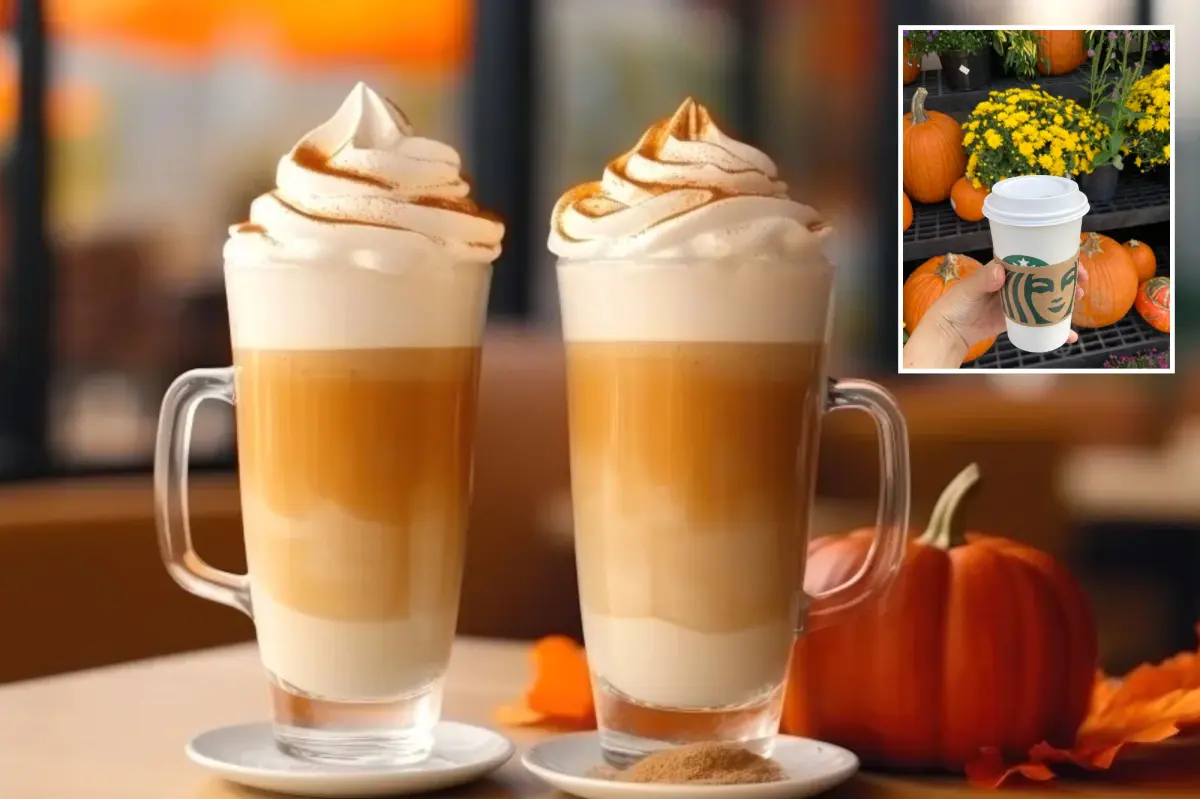
If it feels like autumn keeps sneaking up on the calendar earlier and earlier, you’re not imagining things. One minute you’re still trying to survive the last sticky days of August, and the next, your coffee order comes with a cloud of cinnamon and nutmeg, your grocery store has a cardboard display of tiny pumpkins, and the internet is already arguing about Halloween costumes. This phenomenon has a name—season creep—and it’s not just a trick of memory or a handful of overeager stores. The data is clear: consumers are increasingly embracing fall long before the leaves actually turn. Last year, the beloved pumpkin spice latte made its return to Dunkin’ on August 20 and Starbucks on August 26. This year, both chains pushed it up another day, with Dunkin’ launching its full fall menu on August 19 and Starbucks bringing back the PSL on August 25. But the early arrival isn’t just about coffee chains trying to make us crave sweaters while we’re still in shorts. It’s part of a broader cultural shift, driven by younger generations who genuinely love the season, a collective desire to plan ahead, and retailers who are more than happy to stretch the season of seasonal spending into a long, golden revenue stream. The result is that fall has become less of a date on the calendar and more of a mood—a feeling we now reach for earlier each year, almost like a security blanket made of flannel and apple cider.
The online grocery and delivery data makes it clear that we’re not just talking about what’s happening at coffee shop counters. Instacart, the delivery and pickup service that has become a window into America’s shopping habits, found that in 2024, the seasonal peak for orders containing pumpkin spice items hit on September 17—a full ten days earlier than the same peak in 2023. That means people weren’t just waiting for a chain to announce a seasonal latte; they were actively stocking their own kitchens with pumpkin spice creamer, yogurt, pancake mix, and all the other cozy-adjacent groceries that signal autumn has arrived. Interestingly, demand for pumpkin spice products also cooled off sooner than it used to, which suggests that the season may be expanding at both ends—starting earlier and fading differently—though Instacart noticed another spike in November as Thanksgiving approached, proving that pumpkin spice has become more than just a fall flavor. It’s basically a holiday flavor that has learned to rent out space throughout the whole last quarter of the year. Meanwhile, DoorDash reported in 2025 that pumpkin spice demand spiked on August 19, nearly two weeks earlier than in 2021. Even more striking, grocery orders for ingredients used to make fall-inspired drinks at home began spiking in late July. Late July. That’s a time when most of us are still thinking about beach days and heat advisories, yet somewhere out there, someone is buying cinnamon sticks and vanilla syrup to pre-game for autumn. This is not just a marketing fantasy; it’s real consumer behavior, and it’s happening earlier every year.
Retailers have noticed, and they’re adjusting, but the real surprise is who’s driving this early shift. According to the National Retail Federation, 49% of consumers said in 2025 that they would begin shopping for Halloween before October, compared with just 34% a decade earlier. That’s a massive jump in a relatively short time. What’s even more telling is that the most eager early shoppers aren’t just people who love a bargain or want to beat the crowds. The NRF found that 18- to 24-year-olds, in particular, say they look forward to fall or consider Halloween one of their favorite holidays, and they’re planning accordingly. Their early Halloween shopping isn’t about impulse purchases—the kind of last-minute grab-and-go that used to define the season. Instead, it’s about intentional planning. They want to avoid the stress of scrambling for decorations and costumes in October. They’d rather map out their spooky season in advance, maybe because they’ve already curated a full fall aesthetic on social media and want to live up to it in real life. In other words, young adults are treating fall and Halloween like a major event that deserves a thoughtful, unhurried approach. They’re not frantic buyers; they’re cozy planners. And their enthusiasm is contagious. It rewrites the rhythm of the year, making autumn feel like something you anticipate and prepare for rather than just stumble into somewhere around mid-October.
So why do seasons affect us so deeply in the first place? Michael Varnum, a professor and social psychology area head at Arizona State University, says the reasons range from biology to culture. Some effects are physiological: our bodies and hormones naturally respond to changes in light, temperature, and other climatic conditions as the year progresses. As the days grow shorter and the air gets crisp, our brains and bodies shift in ways we may not even consciously notice. Seasons also change we behave as a population—there are seasonal patterns in illness, travel, and social activity—and those shifts can cue changes in how we think, feel, and act. But Varnum is quick to point out that our response to seasons isn’t purely automatic. It’s also shaped by the associations, traditions, rituals, and schedules that society has built around them. Spring break, back-to-school season, Halloween, Thanksgiving, Christmas—these cultural landmarks teach us from an early age what each season should feel like and what we should do during it. Fall, in particular, has become tied to a kind of wistful coziness: changing leaves, warm drinks, soft sweaters, the promise of holidays to come. And then there’s the climate factor. With temperatures rising and summers feeling hotter and more extreme, many people may be especially eager for fall’s cooler weather. If summer becomes a season of heat warnings and smoke-filled skies, it makes sense that autumn starts to look less like a date on the calendar and more like a rescue mission.
Varnum also raises a fascinating point about how our cultural attachment to the four-season model might be part of the story. The neat division of the year into spring, summer, fall, and winter doesn’t really match the actual weather and environmental changes in many parts of the world. Some places barely have true autumn; others get snow in April or bloom in December. Yet we’re all raised on the same seasonal imagery and traditions, so we carry around an idealized version of autumn that may have very little to do with what’s happening outside our windows. That abstraction makes it easier for season creep to take hold—if fall is more of a feeling than a meteorological fact, you can conjure it in August, or even July, without waiting for the weather to cooperate. But Varnum also acknowledges that a big part of this early shift is probably marketing. Retailers and food chains are hoping to capture the spending that comes with holidays and seasonal shifts earlier, with the idea that they can extend the period in which they’ll see those boosts in sales. It’s a simple but effective strategy: if people are already thinking about pumpkin spice in late summer, why not offer it to them? The question Varnum finds interesting, though, is whether this marketing becomes more or less effective when there’s a mismatch between the season being invoked and the actual weather or time of year. In other words, does a pumpkin spice latte made in 90-degree heat still work its magic, or does part of its appeal depend on the air feeling like turning leaves and college football? The fact that season creep keeps working suggests that, for many of us, the emotional pull of fall is strong enough to override the sticky reality of August.
In the end, season creep is a fascinating mix of genuine desire, cultural conditioning, and calculated commerce. It would be easy to write it all off as corporate greed—and there’s certainly plenty of that at work—but the data tells a more layered story. We are not passive victims of early pumpkin spice displays. Many of us are actively seeking out the feelings that fall represents: comfort, anticipation, a slower pace, a chance to make ordinary life feel a little more magical. The younger shoppers planning their Halloween costumes in August aren’t being fooled; they’re savoring the joy of anticipation. They’ve learned that happiness can be stretched out, that the weeks of looking forward to something can be just as sweet as the event itself. Season creep also reflects a broader need for structure and meaning in our lives. In a world that often feels chaotic and fast-moving, the predictable return of fall—with its familiar flavors, scents, and rituals—offers a kind of emotional anchor. We know what pumpkin spice tastes like, we know what Halloween decorations look like, and we know that they’ll be there for us, a little earlier every year. So maybe the real problem isn’t that Christmas lights show up in September or that PSL season starts before school does. Maybe it’s that we’re all so hungry for warmth and connection that we’ll take any excuse to start celebrating. And honestly, is that so bad? If a pumpkin spice latte in August brings a small moment of joy in a long, hot year, then season creep might be less of a retail trick and more of a quiet act of self-care. Let the calendar say what it wants. For a growing number of us, fall starts when we decide it does.