





It feels like just yesterday that a bicycle was the ultimate symbol of childhood freedom, a simple rite of passage powered by nothing but pedal grip and pure determination. Today, however, our neighborhood streets are being quietly transformed by a much faster, heavier, and more dangerous machine: the electric bike. While these sleek, motorized two-wheelers have quickly topped the wish lists of kids and teens everywhere, pediatric specialists and emergency room doctors are stepping forward to sound an urgent, heartbreaking alarm. What looks like harmless afternoon fun is increasingly ending in devastating, life-altering tragedy, prompting medical experts to warn parents that these high-powered devices are simply not toys, and the consequences of letting children ride them can be permanently devastating, if not fatal.
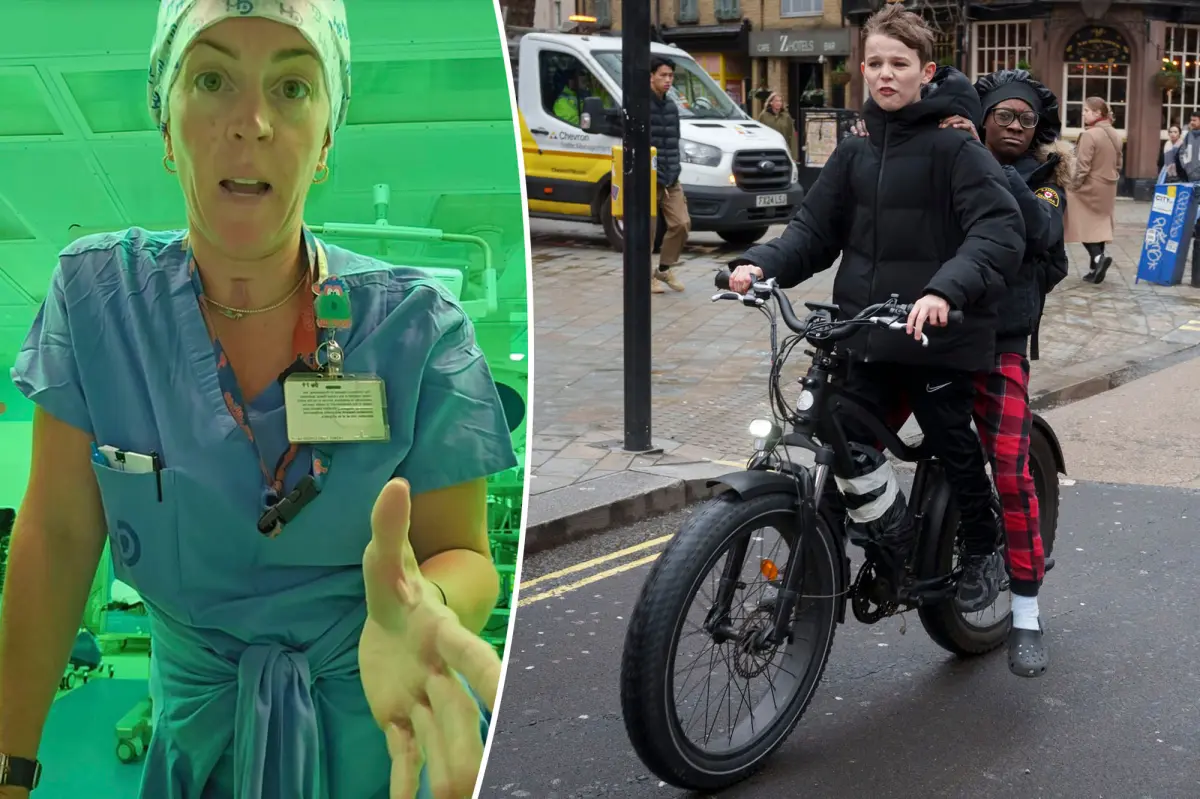
The warning recently went viral when a pediatric operating room surgeon named Cynlyn took to social media to deliver a blunt, impassioned plea to parents worldwide: do not buy your children e-bikes. The video struck a deep, painful nerve, quickly amassing over 16 million views and unleashing a tidal wave of emotional testimonials from parents, first responders, and medical professionals who have seen the horrific aftermath of these accidents firsthand. The grim reality of the situation is backed by sobering data; according to the US Consumer Product Safety Commission, hundreds of young lives have already been cut short by motorized bike accidents. For many families, what began as a trendy birthday gift has quickly spiraled into their worst nightmare, leaving a trail of broken bones, shattered lives, and empty bedrooms.
The physical reality of an e-bike crash is far more severe than the typical scrapes and bruises associated with traditional bicycles. Because e-bikes can easily reach speeds of 20 to 30 miles per hour, they lack the forgiving nature of standard bikes, carrying momentum that mimics lightweight motorcycles rather than children’s playthings. A landmark study by researchers at NYU Langone Health analyzed hundreds of patients treated for micromobility injuries at a major metropolitan hospital and discovered that a staggering one-third of the victims suffered traumatic brain injuries, with nearly 30 percent requiring intensive care. The vast majority of these patients—predominantly young males under the age of 30—were riding without any head protection, turning what could have been a minor fall into a catastrophic, life-threatening neurological emergency.
Behind these clinical statistics lie the agonizing, deeply personal stories of parents who are now living through the unthinkable. In the wake of the pediatric surgeon’s public warning, grieving mothers and fathers flooded the comment sections to share their trauma in hopes of saving another family from the same grief. One mother recounted the excruciating loss of her son, who passed away from complications of a traumatic brain injury sustained during a ride, pleading with parents to enforce the use of motorcycle-grade helmets if they insist on letting their kids ride. Another mother described the horror of watching her 16-year-old son spend four months in a coma on life support with multiple brain bleeds, broken bones, and collapsed organs after being struck by a car, a grueling ordeal that reshaped their lives forever.
The chorus of warnings extends beyond devastated households to the very professionals tasked with handling the grimmest outcomes of these accidents. A mortician joined the online conversation, revealing the astonishing and deeply disturbing rise in the number of children they have had to prepare for funerals due to e-bike disasters. Critics and safety advocates are left asking a crucial question: why are we allowing unlicensed, untrained children to navigate public roads on what are essentially unregistered, silent motorcycles? The lack of age restrictions, licensing requirements, and safety education has created a perfect storm on our roads, where young riders who lack the cognitive maturity and reaction time to navigate complex traffic are suddenly thrust into high-speed, high-stakes environments.
Ultimately, those who have survived these accidents emphasize that if a child must ride an e-bike, proper safety gear is non-negotiable. One mother shared how a high-quality helmet saved her son’s life during a catastrophic crash, even though he still suffered a skull fracture, broken nose, shattered limbs, and permanent physical disability. Her message to other parents was simple yet haunting: her son will never walk the same way again, but because of his helmet, he is still alive to tell the story. As e-bikes continue to dominate our suburban streets and city sidewalks, the collective message from doctors, morticians, and grieving parents remains clear: we must look past the convenience and trendiness of these machines and recognize them for the powerful vehicles they are before we lose another child to a preventable tragedy.