





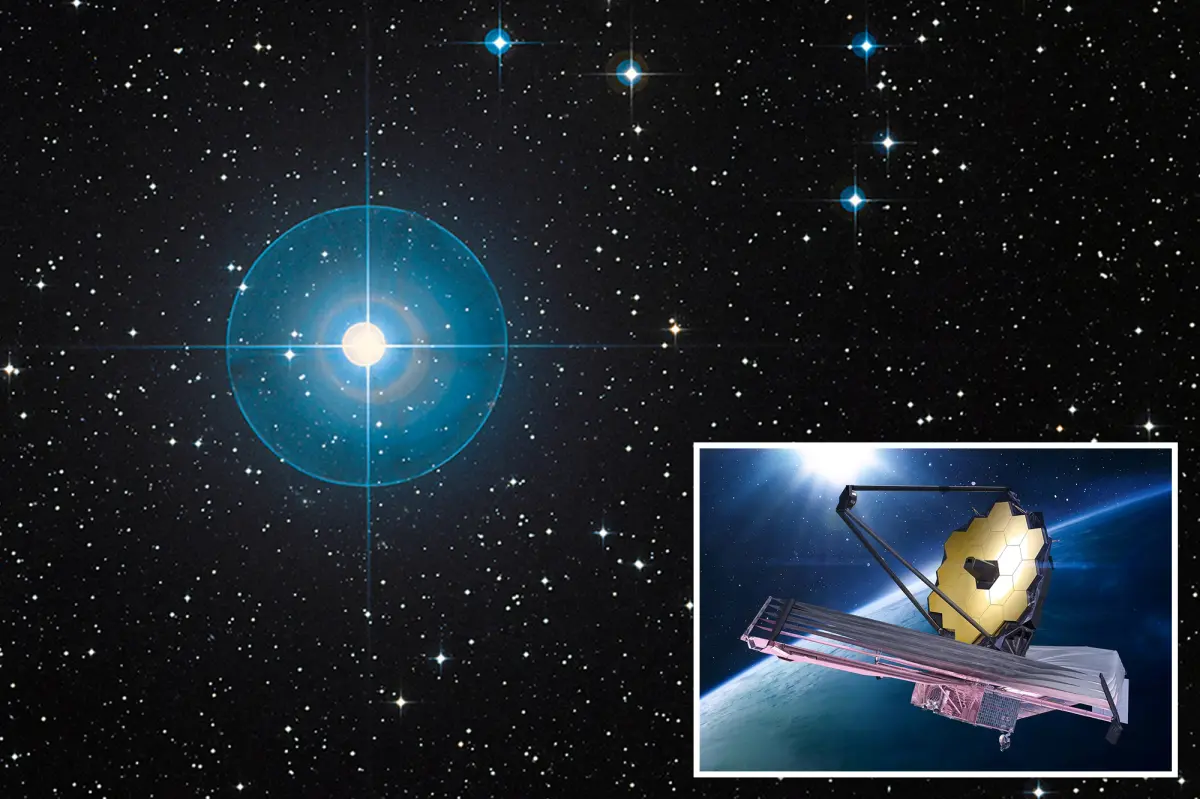
After nearly eleven years of playing a frustratingly patient game of cosmic hide-and-seek, astronomers have finally captured direct images of a faint, elusive gas giant orbiting Beta Pictoris, a young and remarkably active star system located 63 light-years away in the southern constellation of Pictor. What makes this discovery particularly captivating is the sheer serendipity and friendly rivalry behind it. Late last year, two independent research teams—one a European collaboration led by Scottish and German scientists, and the other an American group based in California—spotted the dim planet within mere days of each other. Operating in complete isolation to avoid biasing their results, both teams were actually trying to study previously known planets in the system when they stumbled upon this hidden gem.
The newly crowned planet represents a major milestone in observational astronomy, holding the title of the dimmest planet ever directly imaged from the Earth’s perspective. The European-led team processed old archival data from the European Southern Observatory’s Very Large Telescope in Chile, realizing the planet had been hiding in plain sight for over a decade, masked by the intense glare of its parent star. Meanwhile, the California-led team achieved the same breakthrough in a fraction of the time using NASA’s James Webb Space Telescope. With its unparalleled sensitivity, the space observatory required just two brief observations to pierce through the cosmic dust and pinpoint the elusive world, demonstrating the incredible technological leap that James Webb represents for modern space exploration.
This distant gas giant, slightly larger than our own Jupiter, takes approximately 91 Earth years to complete a single, leisurely orbit around Beta Pictoris. Because the star system is barely 20 million years old—a mere blink of an eye compared to our own solar system’s mature age of 4.5 billion years—this newly found planet offers scientists a rare, pristine look at what a young, infant Jupiter might have looked like. It exists in an unruly, adolescent solar system that is still actively shaping itself. While the heavier gas giants have already taken form, smaller, rocky terrestrial planets similar to Earth or Mars may still be coalescing out of the surrounding debris, amidst a chaotic storm of hurtling asteroids and comets.
Capturing an actual image of this planet is an extraordinarily rare feat in the field of astrophysics. Out of more than 6,000 confirmed exoplanets discovered by humanity so far, fewer than 100 have been found through direct imaging. The vast majority are detected indirectly, usually by measuring the temporary dipping of a star’s light as a planet crosses in front of it. By directly imaging this cold gas giant, which is about 100 times fainter than its planetary siblings in the same system, scientists are bypassing these indirect shadows and looking at the planet itself. It provides researchers with an unprecedented laboratory to study the atmosphere and composition of a world in its infancy.
The dual discovery has sparked immense excitement across the global scientific community. By comparing notes after their independent breakthroughs, both groups confirmed that their data aligned perfectly, validating the existence of this icy, distant world beyond a shadow of a doubt. The success of the James Webb Space Telescope in this endeavor bodes incredibly well for the future of exoplanet exploration, proving that astronomers now possess the tools necessary to detect incredibly dim, low-mass planets that were once considered entirely invisible to our instruments.
As the scientific community begins to digest these findings, published in the Astrophysical Journal Letters, researchers are already planning follow-up observations. This discovery is not just about cataloging another distant dot in the night sky; it is about rewriting our understanding of how planetary systems stabilize and mature over millions of years. By studying this newborn giant in its natural habitat, astronomers hope to piece together a clearer picture of our own cosmic history, peering back in time to witness the very processes of planetary birth and evolution that ultimately allowed life to flourish on Earth.