

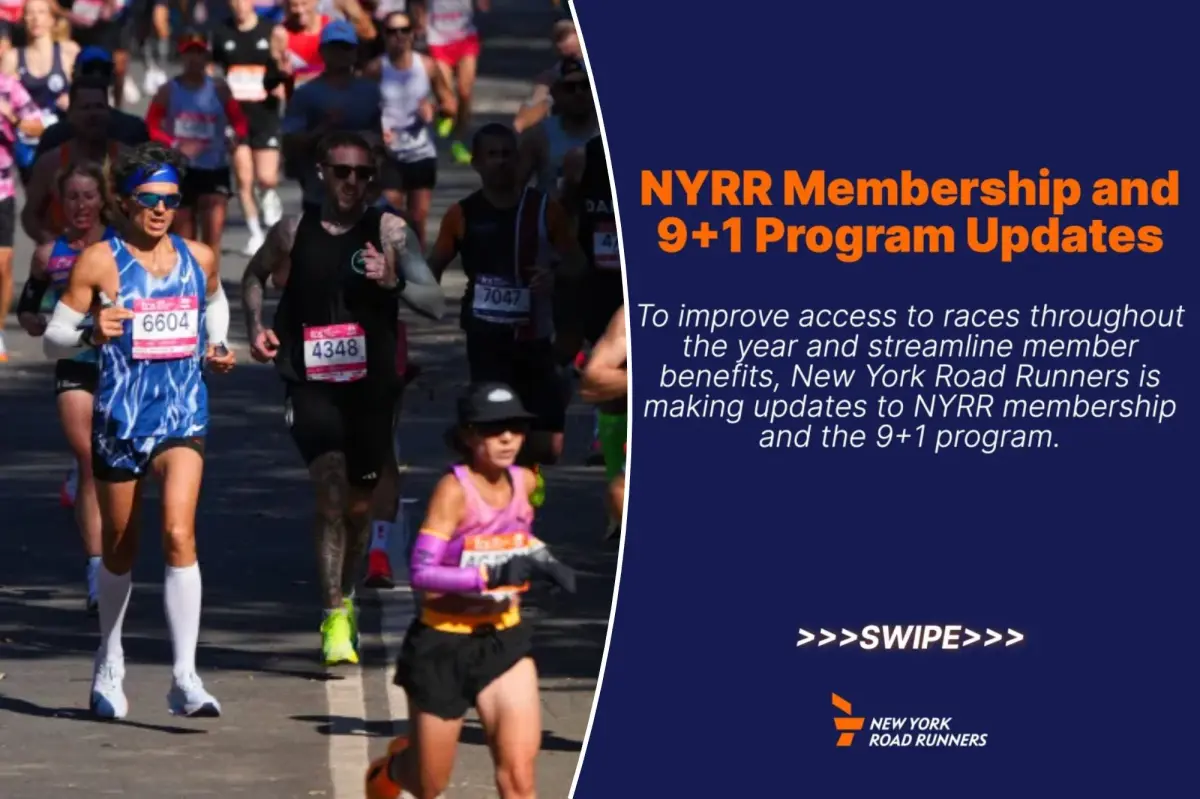
For generations, the asphalt of New York City has served as a sanctuary for a diverse and fiercely dedicated tribe of runners. From the crisp, quiet sunrises in Central Park to the bustling, wind-swept paths along the East River, running in the five boroughs is not merely a hobby; it is a lifestyle, a community, and a deeply personal calling. At the absolute pinnacle of this community’s aspirations is the legendary New York City Marathon—a 26.2-mile block party that showcases the very best of human spirit and urban unity. For the everyday local runner who lacked the elite speed to qualify by time or the deep pockets to secure a charity bib, the New York Road Runners (NYRR) offered a beautiful, democratic promise known as the 9+1 program. It was a simple pact of sweat equity: if you maintained an active membership, completed nine qualifying local races, and volunteered your time at one event within a calendar year, you earned a guaranteed spot on the starting line in Staten Island the following autumn. This system was beloved because it rewarded dedication, community service, and consistent participation, transforming the dream of running the world’s greatest marathon into an achievable milestone for any blue-collar athlete willing to put in the miles and the hours. It was a system built on grit, not luck, making the recent and sudden disruption of this tradition feel like a profound betrayal to the community that keeps the organization running.
The heartbreak and frustration began to boil over recently when the NYRR unexpectedly announced sweeping, controversial changes to this cherished program, effectively dismantling the guarantee of entry that runners had worked so hard to secure. Starting with the 2027 qualifying cycle—which dictates entry for the 2028 New York City Marathon—the traditional, merit-based path of simply running and volunteering will no longer exist in its current form. Instead, hopeful participants must first enter a newly created, randomized lottery known as the 9+1 Eligibility Drawing. Even if a runner has spent years planning their training schedule around this milestone, their journey now begins not on the pavement, but with a game of chance. To make matters worse, those lucky enough to have their names drawn from this lottery will not simply be allowed to start running; they must immediately pay an additional $99 fee just to secure a “9+1 Pass.” The NYRR is capping these coveted passes at a strict limit of 15,000 per year, meaning that thousands of passionate, local athletes will be locked out of the program before they even have the chance to lace up their shoes or pick up a volunteer megaphone, transforming a system of dedication into a system of privilege.
In defense of this dramatic restructuring, NYRR leadership has pointed to the unprecedented, post-pandemic boom in running popularity, which has created a massive logistical strain on local race operations. According to NYRR’s Chief Executive Officer, Rob Simmelkjaer, the massive influx of runners attempting to complete the 9+1 program has inadvertently crowded out casual, local runners who have no interest in the marathon but simply want to participate in weekend community races. Popular 5Ks, 4-milers, and half-marathons across the city now sell out within minutes of opening, leaving neighborhood joggers frustrated and sidelined. Simmelkjaer argued that the organization wanted to restore balance and place all of its members on an “equal footing,” addressing the reality that regular members were facing immense difficulty securing spots in routine, seasonal events. By capping the 9+1 program at 15,000 participants, the organization hopes to artificially suppress the overwhelming demand for race registrations throughout the calendar year, thereby freeing up thousands of bibs for casual runners. While this rationale makes operational sense on paper, it has done little to soothe the sting felt by dedicated marathon hopefuls who feel they are being penalized for the sport’s sudden popularity.
The reaction across the digital running community was swift, fierce, and deeply emotional, with platforms like Reddit and Instagram transforming into arenas of collective outrage. Runners quickly pointed out the financial hypocrisy of the new structure, noting that the sport of running—celebrated for its low barrier to entry—is rapidly becoming an elite pastime accessible only to the wealthy. Under the new model, an athlete must pay for an annual NYRR membership, pray to win a randomized lottery, fork over an additional $99 fee just to obtain the 9+1 Pass, pay the individual registration fees for all nine qualifying races, and then ultimately pay the hefty fee for the marathon entry itself. Online critics lamented that the “non-profit” organization is hiding access to a volunteer-driven program behind successive paywalls, capitalizing on high demand to maximize their corporate revenue. “Keeping the profit in non-profit,” wrote one commenter, while others noted that instead of rewarding the local runners who show up in freezing rain to volunteer and support their peers, the organization is treating its most loyal ambassadors as cash cows, diluting a proud New York tradition into a transactional corporate scheme.
Beyond the financial frustration, the policy shift represents a deeper, more philosophical wound for the running community, as it replaces a culture of meritocracy with a culture of randomness. For many New Yorkers, the 9+1 program was a therapeutic journey of self-improvement and community connection; volunteering at a fluid station or baggage drop allowed runners to give back to the sport that saved them, while the nine races fostered lifelong friendships among running clubs. Now, that journey is subject to the whims of a computer algorithm, meaning a runner could dedicate their entire year to training, only to be denied the opportunity to qualify simply because their name wasn’t drawn from a hat. This shift threatens to damage the vital volunteer ecosystem that amateur races rely upon to operate safely, as many fear that stripping away the guaranteed marathon incentive will lead to a sharp decline in people willing to stand in the cold for hours handing out water. The soul of the New York running scene has always been built on the promise that if you show up, do the work, and support your community, the community will support you back—a sentiment that many feel has been lost in favor of administrative convenience and profit margins.
For those determined to navigate this new landscape, the timeline for the transition is already set, requiring careful planning and strict adherence to new deadlines. To be eligible for the inaugural 2027 9+1 lottery, runners must establish or renew their NYRR membership by September 16, 2026, and maintain that active membership through the official drawing day on October 1, 2026. The application window for the drawing will open briefly from September 17 to September 29, 2026, and participants must be at least 18 years of age by November 5, 2028, to participate in the actual marathon. While the current, traditional 9+1 rules will remain in place for those aiming to run the 2027 NYC Marathon, the looming shadow of the 2028 changes has cast a bittersweet pall over the community. Yet, even as anger lingers and petitions circulate, the fundamental spirit of the New York runner remains unbroken. Governments, policies, and race organizations may change their rules, but the collective heartbeat of the city’s runners will continue to echo across the bridges and through the parks, proving that while a marathon bib can be monetized, the joy of the run itself remains priceless.