


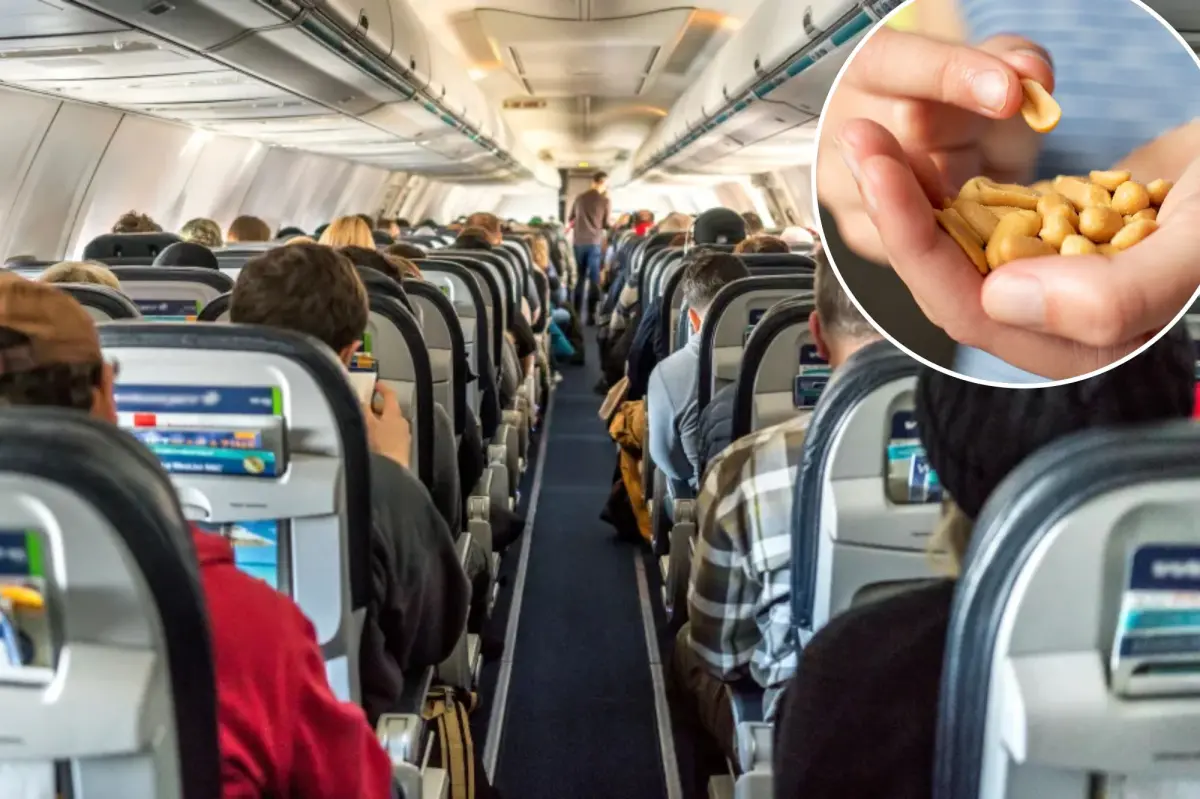
Navigating life in a world where a single peanut can pose a mortal threat is an exercise in constant, exhausting vigilance. For the more than six million Americans living with a food allergy—where peanuts rank as the third most common trigger—this isn’t merely an inconvenience; it’s a daily reality that dictates where they eat, where they travel, and where their children can attend school. The invisible burden of this condition extends far beyond the individual, shaping public policy and social etiquette in profound ways. Schools rigorously enforce peanut-free tables, fearing the dreaded phone call. Airlines quietly ditch their complimentary bags of nuts, opting for pretzels to avoid the risk of an in-flight anaphylactic crisis. Even hospitals, meant to be sanctuaries of healing, often bar peanuts from their cafeterias to protect patients. While these restrictions are undeniably necessary and life-saving, they also foster a culture of exclusion and constant anxiety. As a parent, you learn to scrutinize ingredient labels with the precision of a forensic scientist, and you feel a spike of terror when a stranger casually opens a trail mix on a crowded bus. It is this very tension—the desire for normalcy versus the need for safety—that a Minnesota-based startup called Nurtured Nuts is hoping to dissolve. Led by CEO Bryant Williams, the company is quietly pioneering a solution that sounds like science fiction: a genetically modified, “hypoallergenic” peanut that could, for the first time, allow the world to enjoy peanuts in communal spaces without jeopardizing the health of those who are severely allergic.
The science behind this breakthrough is as precise as it is bold. Rather than creating a peanut that is completely allergen-free, which would be impossible given the complexity of plant biology, Bryant Williams and his team have employed the revolutionary gene-editing tool CRISPR to target and silence the specific genetic codes responsible for producing the three clinically relevant proteins—RH2, RH6, and RH7—that trigger severe allergic reactions in humans. By altering the DNA sequence, they effectively remove the “alarm bells” that cause the human immune system to mount a violent, potentially deadly defense. The resulting peanut is profoundly different on a molecular level, yet it retains the fundamental taste, texture, and nutritional profile of a traditional nut. Crucially, it is essential to understand the nuanced distinction here: this is a hypoallergenic peanut, not an allergen-free one. It is absolutely not intended to be eaten by individuals with severe peanut allergies, as those individuals should never risk ingesting any form of the legume. Instead, the true genius of this invention lies in its environmental impact. The goal is to eliminate the aerosolized proteins and the cross-contamination risks that cause reactions when nut dust settles on surfaces or is circulated in the air. To validate this pioneering approach, Nurtured Nuts is currently conducting a rigorous clinical study within a major hospital. The study compares the physiological responses of allergic individuals when they are exposed to standard, unmodified peanuts versus the novel hypoallergenic strain, providing empirical data that will be critical for regulatory approval and for earning the trust of a deeply cautious public.
The road to bringing this scientific breakthrough to the dinner table is a long and meticulous one, governed by the heavy hand of federal regulation. In late 2025, the United States Department of Agriculture (USDA) granted Nurtured Nuts the necessary approval to cultivate and propagate its specialized peanut seeds in the fertile soils of Georgia, marking a monumental first step from the lab into the real world. However, a crucial hurdle remains: the company must secure approval from the Food and Drug Administration (FDA) to definitively prove that the modified nut is safe for human consumption. This rigorous certification process, which involves extensive safety data, nutritional analysis, and allergenicity studies, is projected to conclude as early as 2027. For Bryant Williams and his team, these regulatory milestones are not just bureaucratic formalities; they represent the culmination of years of patient research and the promise of a tangible future. The anticipation is palpable, as the timeline from approval to market entry will depend heavily on how quickly the company can scale up its farming operations and build out its supply chain. While the exact date for retail availability remains fluid, the potential uses are vast. Beyond simply selling the whole roasted nut, Williams envisions a vertical integration strategy. This hypoallergenic nut could be transformed into staple ingredients like peanut oil, flour, and butter, effectively making allergen-free versions of these ubiquitous items. Even the discarded shells could be repurposed for sustainable applications, such as cosmetic exfoliants, insulation materials, or composite building products, turning a potential agricultural byproduct into an eco-friendly commodity.
To truly grasp the market disruption this could cause, one need only look at the recent shifts in the hospitality industry. Last summer, the casual dining chain Texas Roadhouse quietly made a profound operational change: it began serving its iconic peanuts in sealed plastic bags rather than in the traditional open-air barrels where patrons would toss the shells directly onto the floor. While this decision was partly practical—to prevent slips and falls—it was primarily a calculated response to the growing prevalence of severe peanut allergies among its customer base. This is precisely the kind of farmer-to-restaurant sales opportunity that Bryant Williams has his eye on. Imagine a world where the aromatic, savory scent of peanuts drifts through an airplane cabin again, where school cafeterias can remove the “peanut-free zone” signs, and where baseball stadiums can offer shell-on peanuts to the crowd without inducing panic in a nearby family. The commercial potential is staggering. As an “ingredient supplier into the food industry,” Nurtured Nuts offers businesses a way to restore a beloved snack to their menus without the looming specter of liability. For airlines, the ability to offer a classic, high-protein snack without triggering a medical emergency is a godsend. For schools, it could alleviate the pressure on teachers and administrators who must constantly police snack times and birthday treats. The goal is not just to provide food, but to provide peace of mind, restoring a sense of normalcy and hospitality that has been lost over the past two decades.
However, despite the life-saving potential of this innovation, the path to widespread consumer acceptance is fraught with a significant psychological barrier: the deep-seated American wariness of genetically modified organisms (GMOs). As of a few years ago, approximately half of American consumers expressed significant skepticism about the health and environmental effects of genetically engineered foods. This nut is, undeniably, a product of genetic modification, and for many, the “yuck” factor is a powerful deterrent. This backlash is visible in the recent legislative actions in states like Alabama and Florida, which have banned the sale of lab-grown meat, driven by a prevailing sentiment that these synthetic products are unnatural, unappealing, and possibly unhealthy. This cultural resistance presents a fundamental marketing challenge for Nurtured Nuts. It requires convincing a public that has been conditioned to fear “frankenfoods” to embrace a product that, while genetically altered, is objectively safer for a vulnerable population. Overcoming this hurdle will demand transparent communication about the safety of CRISPR technology, rigorous scientific validation, and a strong public relations narrative that emphasizes the altruistic nature of the product. It’s a delicate balance: how do you convince consumers that a modified peanut is wholesome when our collective instinct leans toward labeling anything altered as artificial? Williams must navigate this terrain delicately, reassuring the public that this specific genetic tweak is narrowly targeted, thoroughly tested, and fundamentally different from the broad-spectrum herbicide-resistant crops that dominate the agro-industry.
Yet, history provides a glimmer of hope for the counter-intuitive nature of consumer behavior. Bryant Williams wisely points to the meteoric rise of plant-based meat alternatives like Beyond Meat and Impossible Burger. When these products first launched, despite initial skepticism and a vocal opposition from the meat industry, consumers lined up around the block to taste them. The novelty, the ethical appeal, and the thrill of trying the future trumped the initial discomfort with processed ingredients. Williams draws a direct parallel: “People put aside the things they wanted, and get excited about alternative products. To propose the solution to eliminate peanut allergens from schools and airlines? People will be excited, and grateful for that.” His pitch ultimately transcends the sterile language of biotechnology and lands on a much more visceral, human need: the relentless demand for cheap, delicious, and domestically-produced protein in an era of sky-high meat prices and fragile supply chains. In a climate where food security is a national concern, and where people are increasingly seeking food sources not susceptible to disease outbreaks, a hypoallergenic peanut could very well fit the bill. It represents a future where safety is uncompromised, where public spaces are inclusive, and where the simple joy of sharing a salty snack doesn’t have to come with a disclaimer. It is a vision of a world where the fear of anaphylaxis no longer dictates our social norms, offering relief not just to the six million allergic Americans, but to the countless families, teachers, and restaurant owners who live in their orbit. The dream is ambitious, but for Williams and his team, the science is sound, and the human urgency to make the world a safer, more welcoming place is a powerful motivator.