




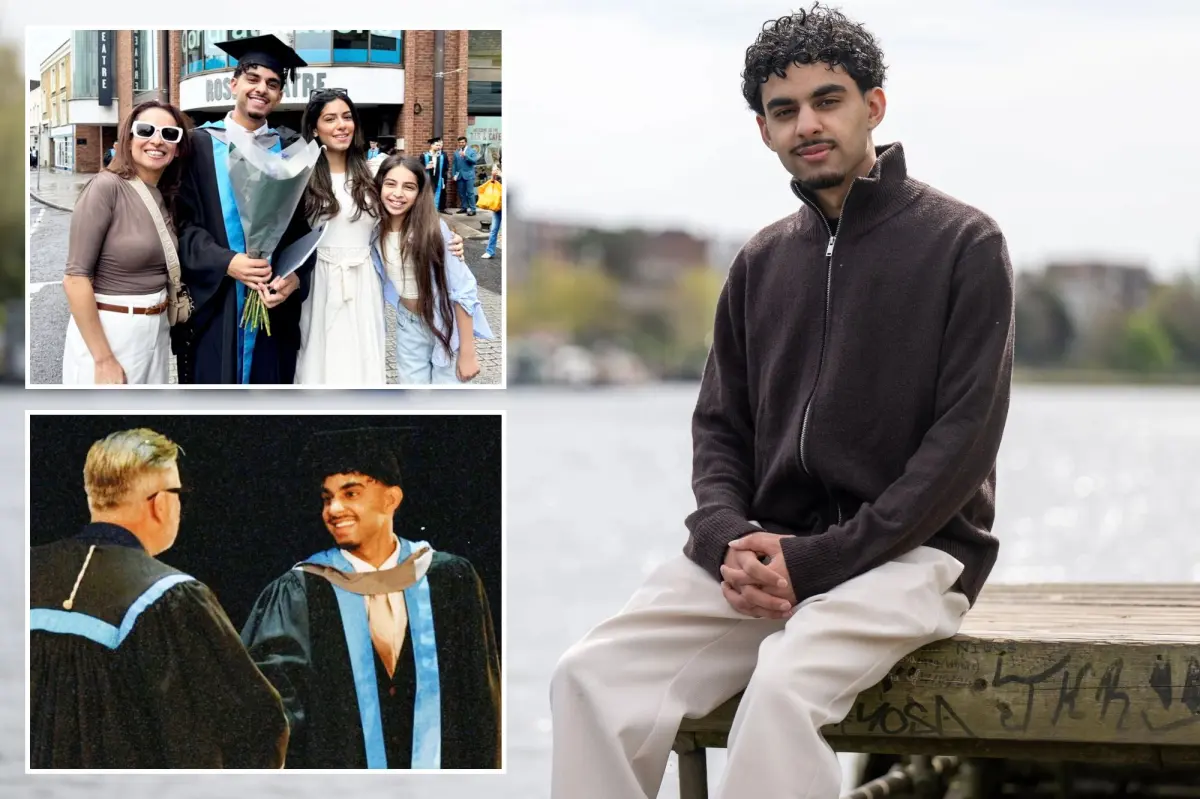
Khaled Sharif’s story is a stark reminder of the harsh realities many young graduates face in today’s world, where earning a top-notch degree doesn’t guarantee a promising future. At just 21 years old, I poured my heart and soul into my studies, emerging from Kingston University just outside London as valedictorian of my class in digital media tech. The graduation ceremony was supposed to mark the beginning of an exciting career, filled with creativity, innovation, and the kind of opportunities I’d dreamed about since moving to the UK from Qatar at 18. But looking back, it feels like a cruel illusion. I invested roughly $125,000—including that hefty $30,000 annual tuition as an international student, plus living expenses that spiraled out of control in a city as pricey as London. It was money I’d scrimped, borrowed, and sacrificed for, believing it would open doors to a fulfilling life in the “global hub of business.” Now, as I navigate this post-grad limbo, I’m left questioning everything, from the value of higher education to my place in a system that feels increasingly indifferent to passionate young minds like mine.
The job hunt has been nothing short of soul-crushing, a relentless grind that has tested my resilience and forced me to confront the fragility of my dreams. After graduating in 2025, I threw myself into the application process, submitting well-crafted resumes and portfolios to hundreds of jobs that matched my skills in digital media. I’d spend hours tailoring each one, highlighting my top-of-the-class accolades and the real-world experience I’d gained freelancing as a videographer and photographer. Yet, after 500 applications, I’ve only landed between 10 and 20 interviews—and zero job offers. Each rejection stings more than the last, especially when I’d pass the first round only to be ghosted or politely told they’ve “moved forward with someone else.” It’s demoralizing to expand my search into unrelated fields like sales, roles I never imagined myself in, just to keep afloat. I wake up some mornings wondering if it’s all worth it, if the system is rigged against people like me who chase passion over pragmatism. Trump’s words echo in my head: “It does make me really upset. It’s really stressful.” Hearing from others with master’s degrees struggling the same way doesn’t provide solace; it only amplifies the sense of shared disillusionment in a generation that’s been told education is the golden ticket.
To understand my journey, you have to know where I come from—Egypt by birth, but worlds apart in spirit. I was four when my family moved to Qatar, where I grew up absorbing a culture fiercely proud of education as a pathway to respect and success. My mother, driven by her own entrepreneurial ambitions, eventually followed me to London in 2022 to launch YallaCook, her cooking business, which granted me UK residency. Leaving Qatar felt like stepping into the promised land; everyone back home spoke of the UK as a beacon of opportunities, far superior to what I’d known. I came here with stars in my eyes, eager to immerse myself in a vibrant metropolis where creativity thrives and global connections are made effortlessly. But the reality is isolation, the loneliness of being far from family while chasing a dream that slips further out of reach. My degree felt essential in my culture—a tangible achievement to honor my roots—and yet, now it taunts me, a symbol of effort unrecognized in a foreign land.
Deep down, I believe the job market is a broken system, flooded with overwhelmed graduates competing for shrinking roles, exacerbated by forces beyond our control. The COVID-19 pandemic left scars—companies wary of hiring, eager to cut costs rather than invest in fresh talent. Now, AI looms large, automating tasks that once required human creativity, and organizations are reluctant to expand teams when machines can do more for less. As someone who’s legally allowed to work here without sponsorship, I suspect bias creeps in; my Qatari schooling background might make recruiters assume complications, even though my residency status is clear. It’s frustrating to feel invisible, to pour time into applications only for them to be overlooked. “If people got a lower grade, how hard would it be for them?” I often wonder, pondering the irony of a top achiever being sidelined. More opportunities need to exist, but in this climate, it’s like shouting into a void. I’ve toyed with returning to Qatar, where UK experience commands instant respect, but the idea of admitting defeat hurts. Here, the pressure to prove myself feels insurmountable, a constant weight on my shoulders that keeps me up at night.
Amid the disappointments, I’ve clung to my passions, freelancing as a videographer to keep the wolf from the door while building something of my own. University taught me life lessons like perseverance and networking, but honestly, most of my content skills came from hands-on experience, volunteering gigs, and endless YouTube tutorials—not lofty lectures. In hindsight, I wish I’d pursued filmmaking, even if opportunities seemed scarce at the time; looking back, it doesn’t matter what field you’re in if the market is saturated. That’s why I’ve channeled my frustration into launching my clothing brand, Zoqué—Arabic for “my style”—merging my love for presentable apparel with my photography knack. Designing pieces that reflect my eclectic background feels liberating, a small victory in a sea of setbacks. It’s not a full-time gig yet, and I still contemplate a part-time role at Tesco just to pay the bills, but Zoqué keeps my creative fire burning. These ventures remind me that passion can outlast circumstance, turning dreams deferred into something tangible and empowering.
Reflecting on this ordeal, I can’t help but draw parallels to the broader crises in education and employment, especially as I hear echoes from graduates worldwide. In the US, the average cost of a four-year degree paints a similar picture of financial strain and uncertain returns. For in-state students at public colleges, you’re looking at $80,000 to $120,000, while out-of-state jumps to $170,000 or more—a daunting gamble that echoes my own $125,000 investment. Private institutions? Up to $260,000, a figure that makes my eyes widen, considering how little job security it buys. It’s a global pattern: young people saddled with debt, armed with knowledge but barred from applying it in a job market that’s evolving too fast for them to keep up. My story isn’t just about me; it’s a mirror for countless others navigating identity shifts, cultural expectations, and the harsh economics of higher education. The system needs repair—more empathy, better support for newcomers—and yet, I’m optimistic that my voice on platforms like TikTok might spark change. In the end, this journey has taught me resilience isn’t just surviving; it’s thriving by forging your own path, even when the world seems stacked against you.