






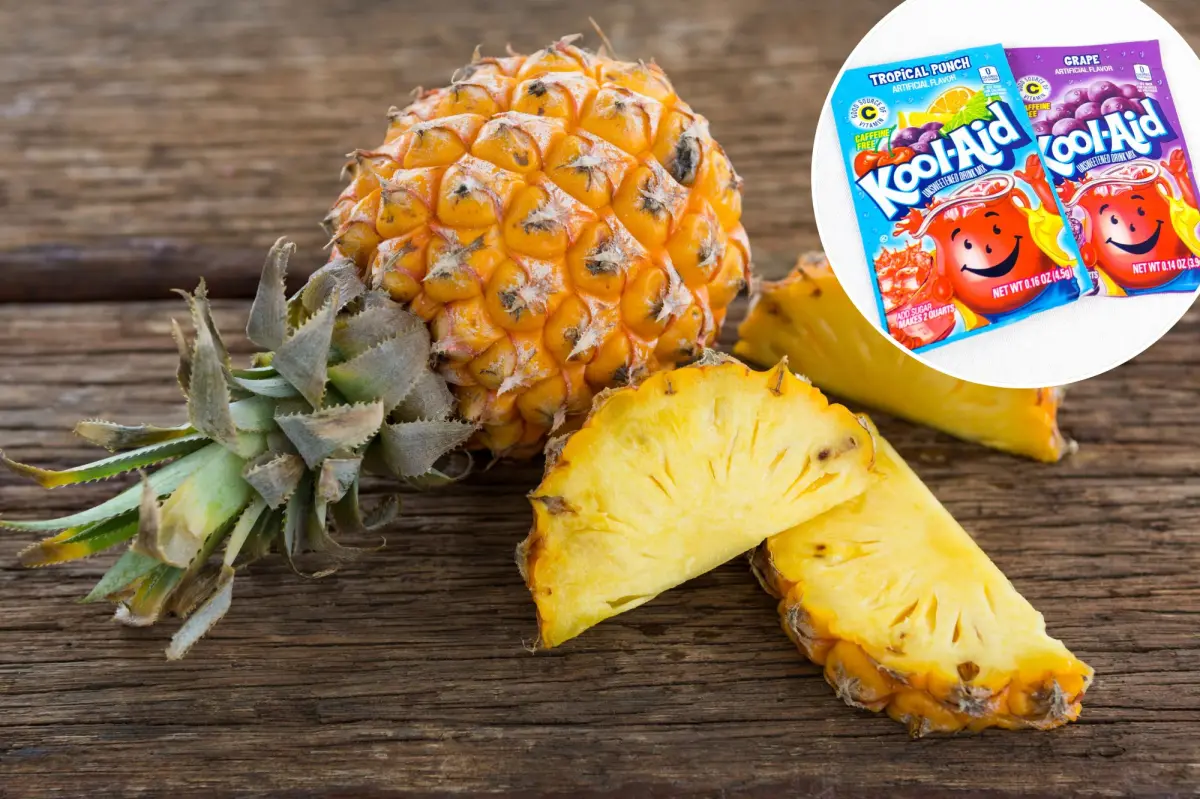
Every summer, the internet seems to collectively agree on a new, outlandish culinary obsession that sits somewhere between genius and a mad scientist’s basement experiment. This season, the spotlight has fallen on a radioactive-looking, hyper-saturated snack that reimagines fresh, tropical fruit through a childhood-nostalgia lens: Kool-Aid infused pineapples. If you scroll through TikTok or Instagram right now, you are bound to encounter hypnotizing videos of vibrant neon-hued pineapple spears soaking in mason jars filled with a thick, syrupy mixture of powdered drink mix and sugar. The preparation is delightfully simple yet visually striking: home cooks pack fresh pineapple chunks or long spears into glass jars, dump in a packet of Kool-Aid along with extra sugar, shake the container until the fruit is thoroughly coated, and let the mixture marinate in the refrigerator for anywhere from two to twenty-four hours. As the hours pass, the pineapple osmosis draws out the fruit’s natural juices while absorbing the artificial coloring and sweet-tart flavoring of the powder, transforming the classic yellow fruit into a translucent, deeply saturated delicacy that looks more like a prop from a science fiction movie than something you would find in a produce aisle.
The bizarre creation is actually a spiritual successor to a legendary Southern staple known as the “Kool-ickle,” a regional treat where dill pickles are famously soaked in sweet cherry, blue raspberry, or tropical punch Kool-Aid juice to create a jarringly delicious sweet-and-sour flavor profile. By swapping out the salty, vinegary dill pickle for the naturally sweet and acidic pineapple, this new trend elevates the concept into a far more approachable dessert-like experience that balances botanical tartness with heavy-handed sugary indulgence. Creative snackers have wasted no time pushing the boundaries of this recipe, customizing their jars with pinches of sea salt, chamoy, or fresh lemon squeezes to create a complex, mouth-puckering flavor dynamic. For the adult crowd looking to elevate their summer barbecues, the trend has evolved into “dirty Kool-apples,” where creators splash generous amounts of rum, vodka, or coconut liqueur directly into the jars to create boozy, fruit-infused treats that double as a cocktail garnish and a party snack. This adaptability has sparked a lively division in the culinary community, with some internet commentators enthusiastically defending the trend on forums like Reddit, arguing that life is too short to skip out on whimsical food experiments and pointing out that the sugar levels can easily be customized to suit individual preferences.
The mastermind behind this viral sensation is Willie Reynolds, a charismatic Florida-based street vendor affectionately known to his community and online fans as “Silly Willie.” Long before the snack took over the algorithms of millions of global viewers, Reynolds was building a loyal grass-roots following in his hometown of Pompano Beach, selling his beautifully crafted, eye-popping signature jars of Kool-Aid pineapples out of the back of his pickup truck for twenty dollars apiece. With a warm smile, infectious personality, and an intuitive eye for colorful presentation, Silly Willie traveled to various flea markets and pop-up locations across the Sunshine State, turning his humble setup into an absolute local destination. His videos eventually caught the wind of the social media algorithm, catapulting his brilliant colored jars onto phone screens worldwide and inspiring a massive wave of copycats, culinary influencers, and curious foodies who wanted to capture a piece of his vibrant, sunny Florida aesthetic in their own kitchens.
As the trend exploded globally on social media, the digital space became flooded with thousands of DIY tutorials, colorful taste-test reactions, and increasingly elaborate spin-offs of the original Florida recipe. Creators began experimenting with blending multiple flavors in a single jar—such as layering blue raspberry, watermelon, and tropical punch together—and even sprinkling in edible glitter or sour candy dust to make the final product look as magical as possible on camera. Popular food influencers jumped on the bandwagon, posting dramatic videos trying the neon liquid marinade first before pulling out a dripping, brightly colored spear to take a large, crunching bite. While many of these online reviewers praised the treat as incredibly refreshing and juicy on a hot summer afternoon, they also frequently offered a word of warning, noting that the combination of natural fruit fructose and concentrated refined sugar makes for an incredibly intense wave of sweetness that might overwhelm those without an extreme sweet tooth.
Of course, no viral food trend is complete without a healthy dose of online skepticism and public debate, and these neon pineapples have certainly polarized health-conscious viewers and culinary purists alike. Comment sections under popular videos are frequently filled with mock horror, with skeptics pointing to the brilliant, unnatural colors and writing warnings about “Straight Red 40” dye, raising alarms about the state of American diet culture, and jokingly predicting immediate health crises for anyone brave enough to eat an entire jar. These criticisms have sparked wider online dialogues regarding the psychology of food shaming and the double standards of nutritional outrage, with defenders pointing out that many grocery store staples contain far worse chemical additives than a simple homemade mixture of fruit and drink mix. Still, the visual of a pineapple spear glowing with a bright, artificial blue hue inevitably invites scrutiny, creating a fascinating cultural clash between the strict guardians of wellness culture and the unapologetic lovers of nostalgic, messy junk food.
Ultimately, the phenomenon of the Kool-Aid pineapple highlights the beautiful, chaotic nature of modern food culture, where a clever idea born out of a Florida truck bed can capture the imagination of millions and inspire people to get creative in their own kitchens. As tutorials made it clear that making these jars at home costs only a fraction of the twenty-dollar retail price, many budget-conscious creators naturally decided to opt for the DIY route rather than paying a premium. Yet, even with the recipe widely demystified, customers still willingly line up at Silly Willie’s physical pop-up shops, happily paying the price to support his hard work and experience the direct magic of the original creator. This enduring loyalty speaks volumes about the human side of viral trends; while viewers love the convenience and affordability of a homemade hack, there remains a deep, collective respect for the creative hustle of independent street vendors who bring genuine joy, color, and flavor to their communities.