


Standing in line at a trendy neighborhood frozen yogurt shop in New York City or Nashville, it is easy to see how a simple after-school treat has been completely transformed into an aesthetic, highly sought-after luxury experience. Today, health-conscious Americans are happily spending upwards of $20 for a single serving of frozen yogurt, a price point that once seemed reserved for fine dining desserts or artisanal cocktails. This phenomenon has captured the attention of social media influencers and everyday foodies alike, sparking curiosity and plenty of online debate across platforms like Instagram and TikTok. Digital creators have documented their visits to upscale spots like Birdie’s in Manhattan, initially expecting an overhyped, overpriced gimmick, only to find themselves seduced by the customizable luxury of it all. While a basic cup remains reasonably priced, the total quickly escalates as customers load up on ultra-premium toppings. The willingness of consumers to pay these premium prices reflects a broader shift in our modern spending habits; in a world where major life milestones like buying a home feel increasingly out of reach, spending twenty dollars on a beautifully curated, high-end dessert serves as an affordable micro-luxury—an intentional, photogenic ritual of self-care and indulgence.
The driving force behind this premium resurgence is a major nutritional upgrade, with Greek frozen yogurt leading the charge. This modern iteration is designed to appeal directly to a wellness-conscious demographic that refuses to compromise on flavor, representing a massive shift away from the restrictive “diet culture” of the past and toward active wellness. Unlike the sugary, highly processed frozen yogurts of yesteryear, today’s premium brands leverage the natural benefits of Greek yogurt, which is naturally packed with muscle-supporting protein and gut-friendly probiotics. Shops like Mimi’s in New York City are redefining the baseline of what a frozen dessert can be, crafting their bases from real Greek yogurt, wholesome milk, probiotic-rich kefir, and just a touch of organic cane sugar. They emphasize clean labels and sustainability, incorporating locally sourced fruits and premium ingredients like matcha and genuine vanilla bean. Meanwhile, brands like Go Greek present themselves not merely as dessert shops, but as pioneers of a “healthy living revolution,” encouraging patrons to indulge completely guilt-free. This clever positioning transforms what was once seen as a sinful indulgence into an empowering, health-positive lifestyle choice that aligns perfectly with the modern consumer’s obsession with gut health, physical fitness, and clean eating.
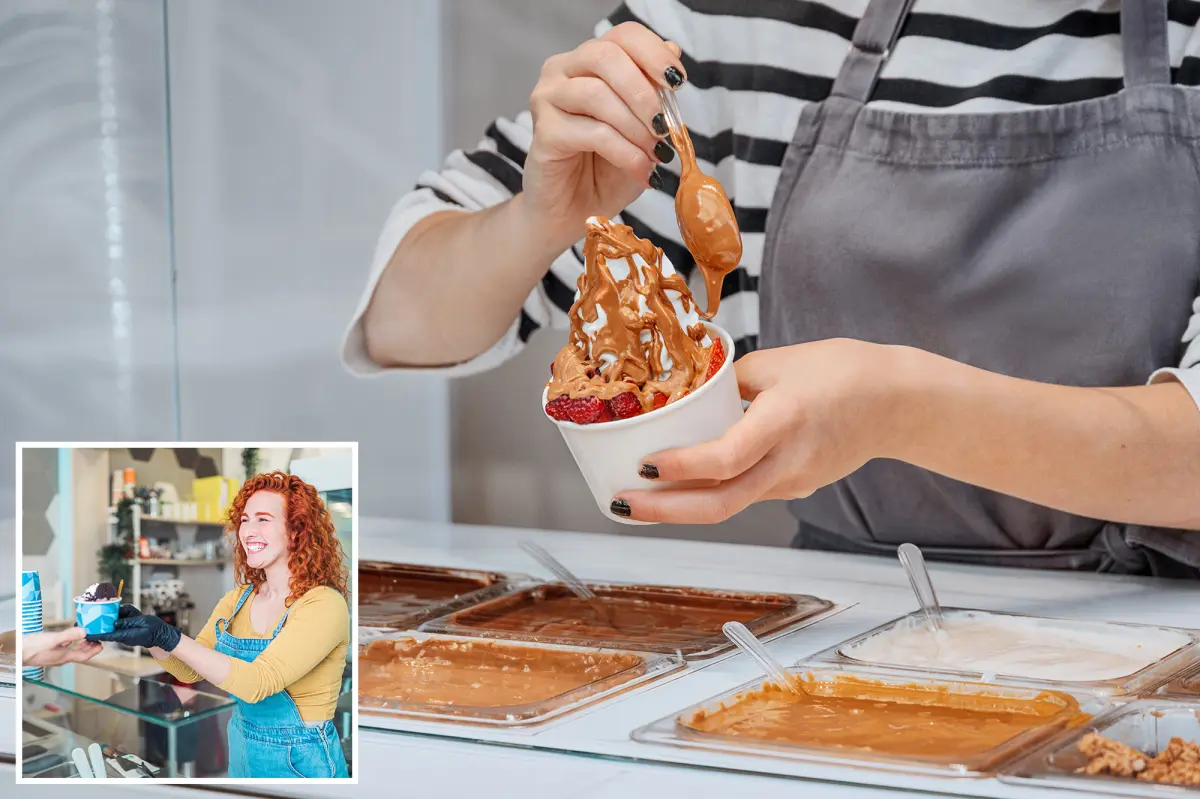
The real magic—and the primary justification for the premium price tag—lies in the radical evolution of the topping bar. The days of stale rainbow sprinkles, crushed generic chocolate cookies, and artificial hot fudge are rapidly giving way to a sophisticated, globally inspired pantry of artisanal delicacies that feel like they belong in a Michelin-starred pastry kitchen. At upscale establishments like Birdie’s or Culture Club, customers can adorn their creamy swirled bases with delicate Japanese mochi bites, velvety pistachio cream, and drizzles of high-quality, cold-pressed extra virgin olive oil. The unexpected pairing of savory, peppery olive oil and a pinch of Maldon sea salt with cold, sweet yogurt has become an absolute viral sensation, challenging traditional dessert boundaries and appealing to more mature, complex palates. Other exotic additions include artisan honeys, edible rose petals, and seasonal fruit compotes. This culinary playfulness turns a simple dessert run into an interactive gastronomic adventure. By giving customers the agency to act as their own pastry chefs, these shops have tapped into a deep human desire for personalization and sensory novelty, making the high cost feel like a worthy investment in a unique culinary experience.
Beyond the food itself, the resurgence of frozen yogurt represents a profound cultural shift in how younger generations, particularly Gen Z, socialize and spend their leisure time. Extensive research shows that younger cohorts are consistently drinking less alcohol and actively avoiding the loud, expensive, and often exhausting bar scene. Consequently, they are searching for new “third spaces”—comfortable, welcoming environments outside of home and work where they can gather, converse, and build community without the pressure of purchasing alcohol. Modern frozen yogurt shops have stepped beautifully into this vacuum, designing their spaces with chic, minimalist aesthetics, warm lighting, and comfortable seating reminiscent of European cafés. These establishments provide the perfect, low-pressure backdrop for date nights, late-night study sessions, or catch-up chats with friends. The bright, aesthetically pleasing interiors are also custom-built for the digital age, offering plenty of natural light and beautiful backdrops for social media photos. By transforming a simple transaction into a leisurely social experience, these shops have successfully rebranded frozen yogurt from a nostalgic childhood memory into a trendy, modern lifestyle hub.
This current golden age of frozen yogurt is a remarkable comeback story for an industry that many analysts believed had permanently run its course. In the early 2000s, the market experienced a massive, rapid boom fueled by self-serve brands that promised a low-fat, healthier alternative to traditional ice cream. However, consumers eventually grew disillusioned as they realized many of those options were secretly packed with high amounts of sugar and artificial additives to make up for the lack of fat. This loss of consumer trust, combined with an extreme oversaturation of copycat shops on every street corner, led to a sharp, decade-long decline that left many storefronts vacant by 2022. But today’s revival is built on a much sturdier foundation of transparency, high-quality ingredients, and genuine nutritional value. The global frozen yogurt market, valued at $1.93 billion in 2025, is now projected to climb to an impressive $2.65 billion by 2034. Industry giants like 16 Handles are capitalizing on this momentum, executing major expansions into lucrative new markets like California. This renewed growth proves that the craving for frozen yogurt never actually disappeared; it simply waited for the industry to mature and meet the demands of a more sophisticated consumer base.
Ultimately, this premium frozen yogurt movement does not exist in a vacuum; it is part of a much larger, structural shift in the global food landscape where consumers are actively seeking out “better-for-you” foods that satisfy cravings without the accompanying guilt. We see this exact same consumer psychology driving the explosive success of brands like Halo Top, which became America’s most-searched ice cream brand by offering high-protein, low-calorie alternatives. Today’s consumers want to have their cake—or rather, their yogurt—and eat it too, demanding treats that actively contribute to their physical well-being. This demand has forced the frozen dessert market to innovate rapidly, leading to the creation of incredibly diverse options, from 16 Handles’ artisanal oat milk soft serves and real fruit sorbets to sophisticated dairy-free vegan alternatives. The rise of the $20 Greek frozen yogurt cup is a testament to the modern human desire for balance. It represents the perfect intersection of health and hedonism, proving that we are entirely willing to invest our hard-earned money in products that respect our health goals while still offering a moment of pure, luxurious joy.