



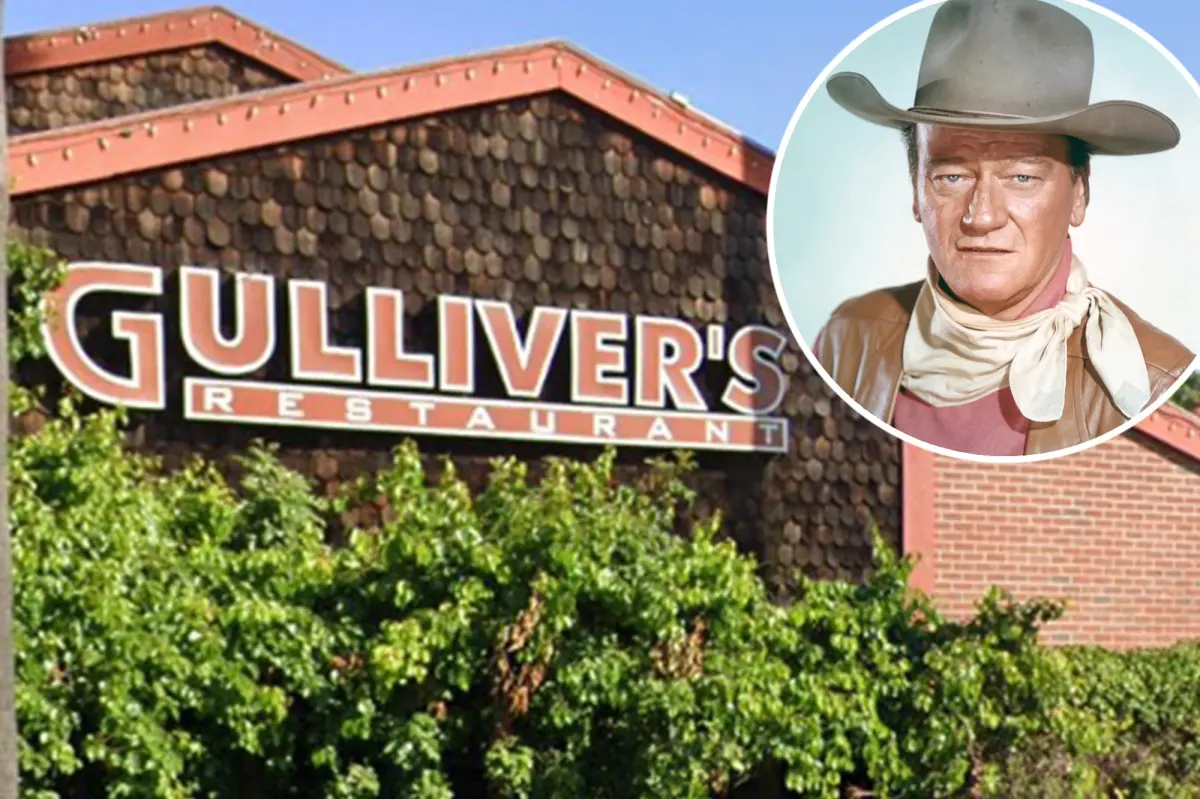
For over five decades, Gulliver’s Restaurant in Irvine, California, has stood as an extraordinary, warm bastion of old-school charm and historical hospitality, gracefully holding its own ground amidst the sleek glass towers and rapidly changing modern landscapes of Orange County. Established in 1970, this legendary MacArthur Boulevard steakhouse, sitting directly across from the busy runways of the nearby John Wayne Airport, has long served as an architectural and cultural portal to a bygone era, instantly transporting anyone who crossed its threshold into the comforting embrace of a traditional, cozy 18th-century English country inn. With its signature timber-clad facade, glowing leaded glass windows, and heavy oak interiors accented by antique copper cookware and pewter plates, Gulliver’s was meticulously designed from its inception to offer a sweet, immersive escape from the relentless sprawl of Southern California, a sanctuary where time slowed down and worries evaporated. Over its fifty-six years of continuous operation, the steakhouse accrued a storied, almost mythical reputation, becoming a favorite haunt for local politicians, corporate executives, traveling corporate pilots, and even legendary Hollywood figures like the swaggering cowboy icon John Wayne, whose frequent dining visits and appreciation for a good cut of beef cemented the restaurant’s status as a true cultural landmark. However, the heartbreaking announcement has recently come that this beloved culinary institution will permanently close its doors on June 30, marking the devastating end of an extraordinary era of dining and community fellowship. This news has sent an immediate, profound wave of sadness and nostalgia through multiple generations of Orange County residents, who view Gulliver’s not merely as a commercial eating establishment, but as a living, breathing repository of their own family histories and shared local traditions. The loss of this iconic physical space represents a heartbreaking erosion of the community’s collective identity, proving that even the most permanent-feeling suburban fixtures can be swept away by the passage of time.
At the absolute heart of Gulliver’s enduring magic was its extraordinary people, making the news of its closure deeply painful for the tight-knit family of dedicated staff who infused the historic venue with life every single day. When the current owner, Oded Mazor, gathered his team to deliver the devastating news of the closure, the entire room was quickly overwhelmed with tears, a raw and powerful testament to the deep emotional bonds forged over decades of shared labor, mutual respect, and daily connections. Some of these incredibly loyal employees have worked at the restaurant for more than forty years, while the average staff tenure stands at an astounding two decades—a staggering statistic in a modern hospitality industry notorious for rapid turnover, emotional detachment, and transient staffing models. This fierce, decades-long loyalty was a direct reflection of the supportive, familial culture established after Mazor’s family purchased the legendary restaurant in 1997, actively honoring and building upon the stellar culinary legacy of its original visionary founders, Al Levie and Hans Prager, the latter of whom also famously founded the celebrated Ritz restaurant in Newport Beach. To these devoted servers, carvers, hosts, and kitchen staff, Gulliver’s was never just a workplace or a simple means to earn a living; it was an extension of their own homes where they celebrated their personal life milestones, grew old alongside one another, and watched guests transition from young children into parents. These workers did not just serve food; they remembered their patrons’ names, held tables for regular guests experiencing hard times, and watched children grow from high chairs to college graduation celebrations. This intimate day-to-day engagement transformed the simple act of dining into a profound exercise of human connection, turning first-time guests into lifelong friends and cementing the staff as the true, warm beating heart of the entire Irvine landmark.
For countless Orange County families, Gulliver’s became the definitive background setting for their lives, a dependable, loving anchor where they gathered to celebrate some of the most precious moments and significant milestones of the human experience. Whether it was a joyous milestone birthday, a landmark wedding anniversary, a romantic rehearsal dinner, or a solemn celebration of life, the restaurant provided a warm, theatrical, and comforting embrace that made every single occasion feel incredibly special and deeply intimate. This sense of enchantment reached its absolute zenith during the annual winter holiday season, when the entire restaurant was transformed into a breathtaking, nostalgic Dickensian winter wonderland that drew visitors from far and wide, earning a reputation for holiday decorations that were nothing short of legendary. Under the soft, golden glow of candlelight and stained glass, surrounded by towering trees, lush, fragrant green pine garlands, and sparkling traditional ornaments, families crowded into cozy, dark-wood booths to escape the frantic pace of modern life and bask in the simple, eternal joy of being together. Owner Oded Mazor fondly recalled these winter seasons as periods of unbelievable, transcendent magic, times when the restaurant was vibrant with the sound of laughter, clinking glasses, and the warm, comforting hum of community connection that seemed to echo through the rafters. For families spanning three or four generations, taking their annual holiday photo in front of the decorated hearth was a sacred ritual, a baseline of stability in a rapidly changing world. For thousands of Southern Californians, the holiday season did not truly begin until they stepped through the heavy timber doors of Gulliver’s, where the chilly reality of the outside corporate world would instantly melt away, replaced by the reassuring safety of tradition, familiar faces, and a deeply felt, comforting sense of community belonging that is all too rare today.
At the absolute center of this decades-long appeal was Gulliver’s legendary and meticulously crafted menu, which stood as a proud, defiant celebration of classic, unpretentious American-English steakhouse fare that successfully resisted the fleeting whims of modern culinary trends in favor of timeless, soul-warming comfort. The sensory magic of a night at Gulliver’s was defined by the theatrical elegance of slow-roasted, prime-grade rib, expertly carved to juicy perfection right at the table by master carvers wearing traditional English attire, and served alongside towering, golden Yorkshire puddings that soaked up every drop of rich, dark au jus. Hungry patrons dined on decadent, exquisitely prepared racks of lamb, creamy, sweet creamed corn, and delicate, airy spinach soufflés, with each delicious dish prepared with a fierce, uncompromising dedication to quality, tradition, and culinary passion that has become increasingly endangered in today’s minimalist-styled corporate dining landscape. This was comfort food in its truest and most elevated form—meals that were built not to be rushed through, deconstructed, or photographed for social media validation, but to be slowly savored in the physical company of loved ones. The deep leather booths, the clinking of heavy silver, and the rich aromas of roasting meats created an atmosphere that encouraged leisurely dining, heartfelt conversations, and the rare gift of putting down one’s phone to connect with the humans across the table. Dining here was a full sensory ritual, where the warmth of the food mirrored the warmth of the surroundings, offering a complete escape from modern, sterile dining concepts. Therefore, the imminent loss of Gulliver’s represents far more than the simple closing of a business; it represents the quiet, tragic fading of a distinct culinary philosophy that prioritized generosity of portion, richness of flavor, and table-side showmanship as the grandest, most sincere expressions of genuine hospitality.
Tragically, this heart-wrenching departure was not a decision born of declining customer interest, fading popularity, or financial struggle, but was instead the cold, inexorable consequence of modern redevelopment and the merciless march of suburban modernization. Owner Oded Mazor made it abundantly clear that the decision to close was entirely out of the family’s control, explaining with a heavy heart that the landlord had ultimately decided not to renew any further leases for the properties on the site, paving the way for a massive, multi-faceted redevelopment effort slated to transform this highly valuable piece of land near the airport. This painful situation highlights a bittersweet, dark reality facing many quickly growing metropolitan regions, where local cultural institutions, landmark buildings, and historic community hubs are increasingly pushed aside to make way for high-rise office towers, modern apartment complexes, and generic retail strip centers. Over the decades, Irvine has transitioned from a quiet, agricultural master-planned community into a bustling corporate tech and transit hub, and along the way, many of its historical anchoring points have been steadily erased. While metropolitan development and architectural progress promise economic boost and sleek new infrastructure, they often come at an incredibly steep, irreversible cost, systematically erasing the unique textures, historic quirks, and comforting landmarks that give a city its unique identity, history, and soul. The physical structures we build of wood and stone hold our memories, and when they are destroyed, a piece of our history is lost as well. The planned redevelopment and physical demolition of Gulliver’s represents the literal tearing down of more than half a century of local history, serving as a stark, sobering reminder of how vulnerable our most cherished community gathering spaces can be when pitted against the relentless, cold calculations of modern commercial real estate markets.
As the final countdown to the June 30 deadline begins, the atmosphere inside Gulliver’s is filled with a bittersweet mix of profound sorrow, immense gratitude, and a determined, festive spirit to celebrate the restaurant’s historical half-century run rather than mourn its end. Although Oded Mazor admits that he plans to take a well-deserved, much-needed vacation after running the highly demanding, high-pressure operations of this iconic restaurant for decades, he still holds a hopeful glimmer of promise that Gulliver’s might eventually be resurrected in another location somewhere further down the road. Until that uncertain day arrives, local residents, loyal regulars, and historical preservationists have been granted a precious, fleeting window of opportunity to step back inside the MacArthur Boulevard steakhouse one last time, to sit in those familiar, warm booths, to order their own sacred prime rib dinners, and to say a proper, deeply personal goodbye to a true regional treasure. This is a crucial, emotional time for patrons old and new to flood the reservation books, fill the historic dining rooms with joyful clinking glasses, and offer a heartfelt tribute to the incredibly hard-working staff members whose friendly smiles have defined Western hospitality for generations. Regulars are expected to take their final seats, raising toasts of champagne and vintage wine, exchanging phone numbers with beloved servers, and shedding final tears over the end of an institution that was as reliable as the setting sun. Ultimately, while the physical, heavy timber doors of this beloved English country inn will soon close forever and the land will be leveled, the warm memories, family histories, and deep human relationships fostered within those wood-paneled walls will continue to live on in the hearts of generations of Orange County families, serving as an everlasting, beautiful monument to the profoundly human legacy of Gulliver’s Restaurant.