



Paragraph 1: The Deceptive Allure of “Wine Mom” Culture
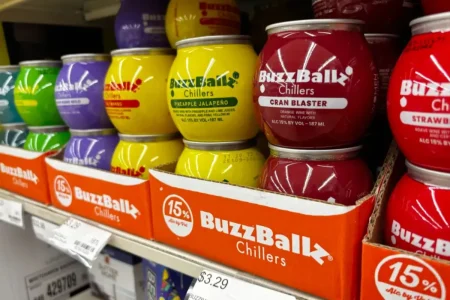
Imagine scrolling through social media or stepping into a gift shop, where hilarious memes and trendy merchandise promise relief for the chaos of motherhood. “Wine mom” vibes are everywhere—those cheeky slogans like “The most expensive part of having kids is all the wine you have to drink,” paired with adorable “mommy juice” glasses, sweatshirts declaring “mama needs wine,” and even keychains that turn a bottle of rosé into a fashionable accessory. It’s all framed as a lighthearted coping mechanism, a well-deserved treat for juggling playdates, school runs, and endless laundry piles. But beneath the giggles and the viral shares, there’s a troubling undercurrent. For many women, especially moms, this culture doesn’t just celebrate alcohol—it glorifies it as an essential lifeline, a reward for surviving the daily grind. What starts as a casual glass after the kids’ bedtime can quietly morph into something deeper, something that numbs the overwhelm but leaves scars. I’ve chatted with so many women who admit it started harmlessly, a sip to unwind, a pour to celebrate the end of a long day. Yet, society has normalized this dependency, turning it into a cultural norm where questioning it feels like denying a rite of passage. It’s easy to see why: in a world that praises the perfect mom who “handles it all,” alcohol slips in as the secret elixir that makes it seem doable. But for those hit hard, that sip turns bitter fast, revealing a darker truth about isolation and unseen struggles.
Paragraph 2: Personal Descent into Addiction
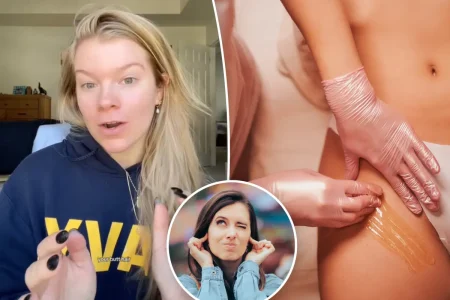
Take Taylor Krajewski, a vibrant content creator I had the chance to speak with—a mom like any other, with TikTok videos sharing her journey toward sobriety. She’s not some distant figure; she’s a real person, a friend who could be at your playground or PTA meeting. Back when her daughter was little, Taylor was always a social drinker, enjoying cocktails at gatherings. But motherhood flipped a switch. The exhaustion hit like a tidal wave: sleep-deprived nights, tantrums to diffuse, meals to prep, and that constant pull of feeling like you’re never enough. “Wine mom” culture fit right in, offering a justification she clung to. She’d pour a glass while stirring pots for dinner, top off her water bottle with wine on the way to soccer practice, or have “juice box” moments during nap times—all wrapped in cute, punchy memes that made it feel fun and relatable. “It was my way to escape, and it felt so justified,” she tells me, her voice softening with regret. At her lowest, she was downing three or four bottles a day, camouflaged in coy jokes about “mommy’s little helper.” But the reality wasn’t funny; it was a slow erosion of her patience, joy, and connection with her daughter. She became irritable, avoiding playtime, curling up with hangovers instead of building forts. Taylor’s story resonates because it’s so universal—who hasn’t felt that pull? It’s a reminder that behind the hashtag humor lies personal pain, where what seems like a harmless ritual becomes a chain, pulling you deeper into isolation. She laughs now about those selfies with wine glasses, but back then, they were defenses against facing the truth.
Paragraph 3: The Broadening Epidemic and Expert Insights
Experts like clinical counselor Diana Burdette, whom I’ve consulted for a clearer picture, paint a stark portrait of what’s happening nationally. Since the 1990s, women’s alcohol intake has surged dramatically, fueled by this “wine culture” boom that positions it as a balm for stress. Diana explains how memes and marketing have destigmatized drinking for moms, making it seem chic and empowering. But the flip side is grim: increased risks of serious health issues, from cirrhosis and liver disease to heart attacks and strokes. Women, especially mothers, are in the crosshairs, yet they’re the least likely to seek help. Why? The stigma cuts deep, amplified by societal judgments. Think about it—a mom sipping wine might be seen as quirky, but crossing into addiction? That’s irresponsibility, a failure that clashes with the “perfect mom” ideal. Diana vividly describes the added guilt: not just handling kid duties like bleacher-sitting or drop-offs, but wrestling that shame that whispers you’re not worthy. “Society celebrates the cute side when it sells products,” she says, “but once dependency shows, it shifts to punishment.” I’ve heard similar from other specialists—how this culture distracts from real issues like insufficient childcare, mental health support, or work-life balance. It numbs instead of addressing burnout. For many, like Taylor, it felt like a permission slip, allowing them to ignore the bigger picture. But imagine the toll: families strained, relationships frayed, and moms alone in their struggle, fearing judgment if they reach out.
Paragraph 4: The Hypocrisy and Societal Failures
Digging deeper, it’s clear “wine mom” culture is more than fun—it’s a societal blind spot that perpetuates hypocrisy. Burdette articulates it well: the playful marketing thrives on profits—t-shirts, glasses, even wine-infused snacks—all poking fun at motherhood’s messiness while raking in cash. But when it escalates, the playbook changes; puritanical norms kick in, shaming moms as neglectful. Taylor echoes this, reflecting on how merchandise felt like encouragement during her toughest days. “It framed wine as a reward for surviving, directly tapping into that burnout and selling ‘relief’ back to you,” she shares. Yet, she doesn’t pin her entire addiction on it; she’s clear it’s a diversion. It kept the focus on short-term coping—a glass here, a bottle there—instead of questioning why moms are so overwhelmed. No paid parental leave, inadequate mental health resources, or unrealistic expectations—the real culprits go unchallenged. Friends of mine in parenting groups confess similar frustrations: how these memes make you feel seen in your fatigue, but they mask deeper cries for help. It’s a failing of our culture, as Burdette puts it, that moms turn to substances because we haven’t built safer ways to cope. Parenting without numbing agents? It feels impossible without support, and wine steps in as the easy fix. But it’s hypocritical—society merchandizes vulnerability yet punishes when it overwhelms. For Taylor, it was a crutch that delayed real changes, like demanding better systems or community aid.
Paragraph 5: The Turning Point and Road to Recovery
For Taylor, the wake-up call came when she saw alcohol’s grip on her parenting. Patience waned; she craved solitude, ditching joyful moments like chasing bubbles or reading bedtime stories. “Being a good mom was all I wanted,” she laments, her eyes tearing up in memory. The memes that once felt supportive now seemed like a cruel loop, glamorizing her habits as #momlife. Toward the end, mornings blurred into hungover fogs, fast-food breakfasts from the couch, a far cry from the nurturing figure she envisioned. Recovery wasn’t instant—attempts at AA and detoxes stumbled. But a breakthrough came with naltrexone, a medication that dulled the cravings by blocking opioid receptors. Even then, sobriety terrified her: “Would I have the energy for my daughter without numbing out?” she worried. Surprisingly, the opposite unfolded. Hangovers gone, mindset clearer, she embraced motherhood anew. Playdates became adventures; tantrums, teachable moments. “Parenting feels lighter,” she says, beaming. Her emotions stabilized, allowing presence and play. I’ve seen this transformation in others—sobriety unlocking a vitality once drowned in wine. Taylor traded happy hours for genuine happiness, proving alcohol’s promises were lies. Through her TikTok chronicles, she’s inspiring others to question the culture, seeking sobriety as a path to the life they deserve.
Paragraph 6: Embracing Sobriety and Calling for Change
Life sober, Taylor confesses, is profoundly beautiful—a redemption she never expected. Without wine, motherhood’s hard chapters unfold without the fog, revealing resilience she didn’t know she had. Alcohol promised escape but delivered depletion; sobriety offers clarity, connection, and joy. Her story isn’t unique; countless moms are quietly shedding this dependency, finding tools like therapy, support groups, and even medication. Yet, the broader fight remains: we need society to pivot from merchandising coping mechanisms to building real support—affordable childcare, mental health access, and destigmatized resources for moms. Burdette urges us to confront this failure head-on, ensuring moms don’t turn to numbing before learning healthier habits. Taylor’s journey humanizes it all—she’s not a statistic, but a reminder that it’s possible to reclaim motherhood authentically. Imagine a world where wine memes give way to uplifting stories of empowered parents, where stigma fades, and help is readily available. For now, Taylor stands as a beacon: sobriety didn’t just end her addiction; it amplified her love for her daughter and herself. If you’re nodding along, feeling that pull, know change is within reach. It’s about swapping the bitter sip for a fuller, unfiltered life—one sip of courage at a time. In sharing her truth, Taylor shows us all that being a mom isn’t about surviving with a glass in hand, but thriving with open arms and clear eyes. The cultural shift starts with stories like hers, turning “wine mom” from a buzzword into a lesson learned.