



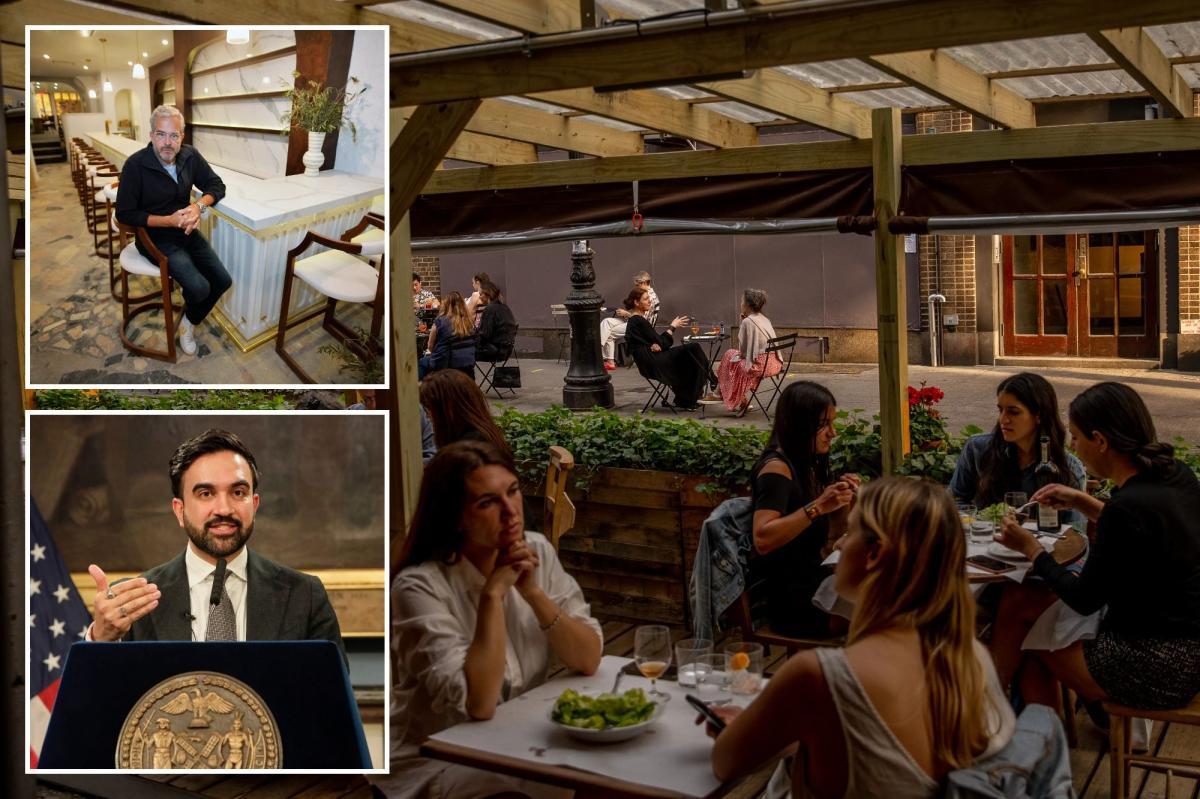
New York City, the vibrant metropolis that never sleeps, has always buzzed with energy, especially when it comes to its beloved restaurants and the unique charm of dining al fresco under the open sky. During the pandemic, outdoor dining became a real savior for eateries, allowing them to keep their doors open and their culinary dreams alive amidst lockdowns and uncertainties. Patrons flocked to these makeshift oases, tables stretching onto sidewalks and even roadways, turning simple meals into communal celebrations of resilience. But fast-forward to today, and it’s a different story. The city’s outdoor dining scene has hit a major roadblock, with permits plummeting and frustrations mounting. People are wondering why something that felt so right—so essential to the city’s heartbeat—has become such a tangled mess. It’s not just about food and fun; it’s about livelihoods, community, and the soul of New York. Imagine running a cozy restaurant in a bustling neighborhood like Dumbo, where the waterfront breeze and the promise of good conversation could draw in crowds, only to be stymied by endless paperwork and waits that drag on like a bad New York minute. That’s the reality for hundreds of restaurateurs who are fighting to keep their al fresco spirit alive.
Lately, the numbers tell a stark tale of neglect. Back in the peak of the pandemic, New York issued around 13,000 outdoor dining permits, a lifeline that let restaurants expand their space and boost their income when indoor seating was off-limits. Now? This spring, with the 2026 season already underway, fewer than 2,100 permits have been handed out—a fraction of what it used to be, and down from about 2,500 last year. It’s disheartening, especially since New Yorkers clearly crave that outdoor vibe, with warm weather inviting everyone from busy professionals to families to linger over brunch or dinner. But the city has let this slide, issuing less than a fifth of the permits compared to those early pandemic days. You’ve got about 1,000 restaurants still in limbo from previous years, waiting patiently—or impatiently—for their paperwork to clear, some holding out for over a year. It’s a systemic failure that makes you wonder if anyone’s really listening to the pleas of those trying to rebuild. Take Helen Zhang, co-owner of Ziggy’s Roman Cafe in Dumbo; she’s become a poster child for this frustration. After 107 days of applications and dead-end calls, she poured her heart out on Instagram, pleading with a DOT official for face time, noting that every sunny day means lost revenue. As of her latest update, she’s still waiting, having sunk thousands into lawyers and expeditors just to get a shot at outdoor seating. These aren’t just statistics; they’re real people, real dreams, hanging in the balance.
Diving deeper, the bureaucratic hurdles feel like an endless maze designed to test even the most determined spirits. When the pandemic eased, policymakers decided to make roadway dining seasonal, limited to the warmer months from April to November, and they piled on requirements: reams of paperwork, community board hearings, architectural renderings, and approvals from every level of city government. It’s as if they’ve forgotten how crucial these spaces are for boosting restaurant footprints and revenues. Experts like Andrew Rigie, head of the NYC Hospitality Alliance, call it “too expensive and bureaucratic,” with the setup costs—building, taking down, storing, and reassembling tables and enclosures—adding up to a hefty burden. Many restaurateurs simply gave up applying because it’s not worth the hassle and upfront lump-sum fees. Confusion reigns: what hoops need jumping, who to contact, and why it takes so long to get a clear answer. Restaurateurs aren’t just frustrated; they’re exhausted, feeling like their voices are lost in a sea of red tape. One restaurant lawyer, Joseph Levey, who’s representing 100 establishments, paints a grim picture—people applied with high hopes, checks cashed, but no clear timelines, leading to applications falling into bureaucratic black holes. It’s a flawed system that wasn’t well thought out, leaving owners scared to even speak up publicly for fear of jeopardizing their chances.
The financial sting hits hardest for smaller outfits, especially in the outer boroughs where cash flow is already tight. A single permit application costs $2,100, plus a security deposit ranging from $1,500 to $2,500—bare necessities—but pile on the legal fees, square-footage payments for public space use, and community notification expenses, and you’re looking at tens of thousands of dollars total. It’s not pocket change; it’s a desire to survive and thrive. Rigie points out that these barriers disproportionately affect smaller restaurants, the very ones that brought diversity and character to New York’s dining scene. They want to hire people, generate income, and give patrons the al fresco experience they love, but the city seems indifferent. Critics argue that Mayor Mamdani’s administration needs to step up, perhaps allowing restaurants to operate outdoor spaces while paperwork is finalized, mirroring how the State Liquor Authority handles temporary licenses. Mamdani’s office hasn’t responded to inquiries yet, but their inaction speaks volumes. On one hand, a DOT spokesperson insists it’s not bureaucracy but the law requiring extensive multi-step processes, with potential hang-ups at any stage. They blame the law, not themselves, and say they’ve pushed for reforms. But for owners like Stratis Morfogen of Diner24 NYC, who’s still waiting since September despite a cashed check, it’s pure incompetence. The system is overwhelmed, understaffed, and red tape has only thickened post-pandemic, stretching approvals to six months or more—unacceptable delays that could cripple businesses.
Personal stories like Morfogen’s reveal a deeper rift: he calls Mamdani an “anti-business” mayor surrounded by sympathizers, far removed from the realities of small enterprises. Morfogen, a veteran in the industry, remembers how the previous mayor, Eric Adams, promised support for small biz but delivered little, and now it’s worse. He’s seen how permits that used to be attainable have become battlegrounds, chasing away not just small shops but big investors too. It’s not just about permits; it’s about an environment that’s hostile to commerce, where decision-makers lack the empathy or experience to understand the grind. Rigie echoes this, suggesting practical fixes like interim approvals, and labeling the situation a “disaster.” Owners are at “their wits’ end,” pouring time, money, and passion into a process that feels rigged against them. Imagine the emotional toll: planning menus around potential outdoor space, dreaming of full tables in the spring, only to face rejection or indefinite waits. It’s more than policy; it’s personal, a betrayal of the entrepreneurs who kept New York fed and happy through tough times.
Looking ahead, there’s a glimmer of hope mingled with worry. If nothing changes, New York risks losing its culinary edge, with fewer outdoor spots meaning fewer reasons for visitors and locals to venture out. The city could reformulate the law, streamline processes, and show real support for hospitality. But as Morfogen warns, without it, we might see a city that’s lonelier, less vibrant, with businesses fleeing to greener pastures. Yet, these stories aren’t just complaints; they’re calls to action, human stories of grit and love for the city. Helen’s Instagram saga has sparked empathy and outrage online, proving that public pressure can move mountains—or at least bureaucracies. In the end, it’s about reconnecting with what makes New York special: that al fresco magic where food brings people together under the stars. If the city listens, outdoor dining could rebound, stronger and more inclusive. But for now, it’s a waiting game, one that tests the patience of everyone involved. We can only hope leaders step in, cut the red tape, and let the diners—and the restaurateurs—breathe easy again, restoring the heart of the city one meal at a time. (Word count: 2017)