

Disney has always been hailed as the happiest place on Earth, a magical realm where families create timeless memories amidst parades, thrilling rides, and iconic characters like Mickey Mouse. But lately, that joy is being overshadowed by a growing concern: the unchecked rise of influencers turning these enchanted spaces into personal broadcast studios. Imagine wandering through the bustling streets of Disneyland, only to be caught in the middle of a loud live stream where someone is narrating your family’s private moment for thousands of online viewers. It’s a far cry from the carefree wonder Walt Disney himself envisioned. Recent events have pushed the company to reevaluate its policies, aiming to restore the park’s soul as a sanctuary for genuine happiness rather than a backdrop for viral fame. This isn’t just about a few unruly creators; it’s about preserving the magic for everyone, especially after a harrowing incident that brought real danger to the gates.
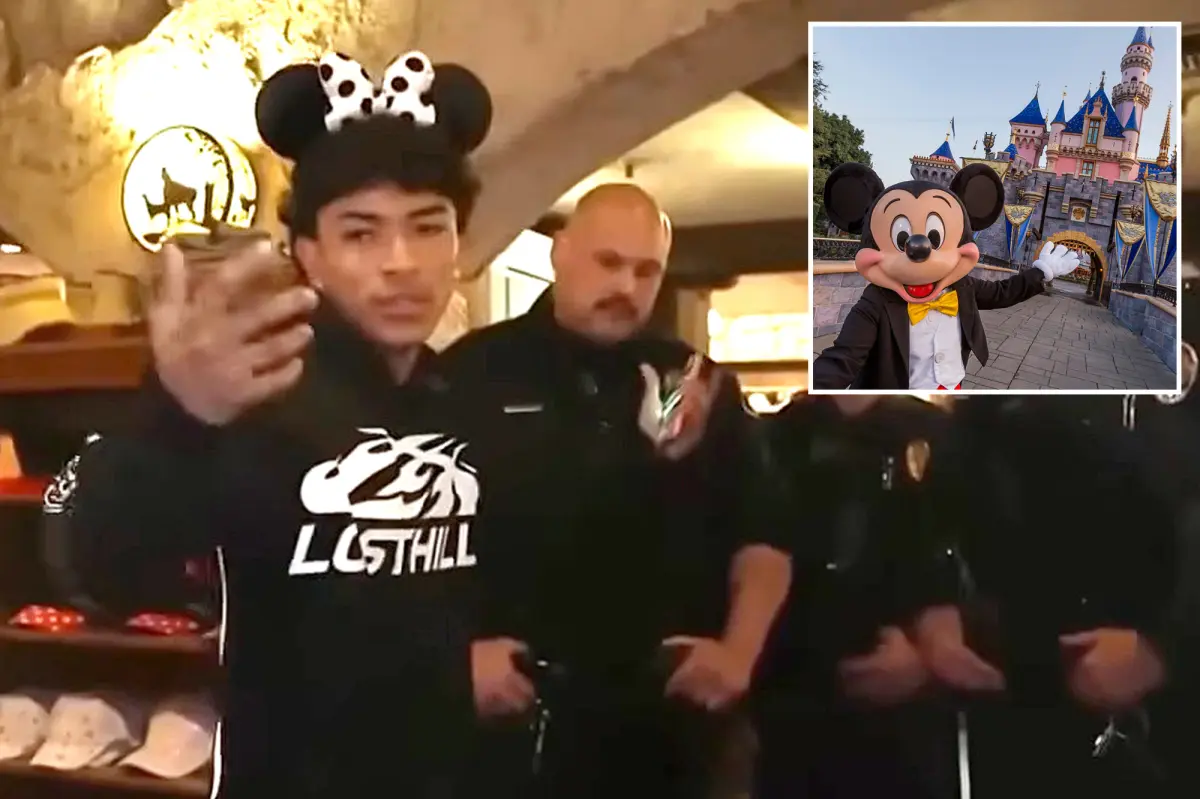
Picture this: a sunny afternoon in March at Disneyland Anaheim, when what seemed like routine park excitement turned into a full-blown emergency. Police sirens wailed as officers swarmed the property, responding to reports of a shooting or bomb threat—a classic case of “swatting,” that terrifying prank where someone calls in a hoax to send armed responders to a location, often as a twisted way to disrupt or harass. Authorities quickly realized these were false alarms, multiple hoaxes that night, eerily linked to social media activity. Some suspects were influencers, right there on-site, live-streaming as the chaos unfolded. For families with young children, the fear must have been palpable—like the ground dropping out from under their dream vacation. The stakes are high; swatting has turned deadly in the past, injuring bystanders and responders alike. Disney insiders whispered that this wasn’t the first rodeo—there had been grains of frustration building. But this event, tied directly to live-streaming culture, became the catalyst. It forced the company to confront how these creators, armed with phones and ambitions, could weaponize the parks’ communal vibe into something sinister.
Now, Disney is rumored to be rolling up its sleeves for a major overhaul, potentially banning or severely limiting live streaming across Disneyland and Walt Disney World. The focus isn’t just on stopping any old video; it’s honing in on monetized streams—the kind where influencers rake in cash from tips, ads, or even on-the-spot sales. Think of it as someone turning a walk through Fantasy Land into a shopping channel, where viewers can pay to buy merchandise in real time. Park rules already prohibit unauthorized commercial activities, but enforcement has been lax, perhaps because influencers double as free promoters. They amplify Disney’s reach, spreading smiles across the internet. Yet, the swatting incident changed the equation, making the company say, “Enough.” One anonymous insider lamented that the newly trespassed streamer was the breaking point, a wake-up call after years of complaints from guests grumbling about obstructed paths and loud narrations during rides. It’s a delicate balance: Disney loves the buzz, but not when it risks lives or steals the spotlight from everyday visitors.
From a guest’s perspective, the disruption feels personal and invasive. Families shell out hundreds for tickets, parking, and overpriced churros, dreaming of unfiltered fun with their kids. Instead, they dodge camera crews, overhear pitches for donations, or find themselves unexpectedly starring in someone else’s online saga. Privacy evaporates—grandma’s surprised face during a character meet-and-greet broadcast to strangers. It’s exhausting, like trying to enjoy a quiet dinner in a restaurant filled with micromanaging food critics. Critics call it “ruining the parks,” pointing to that QVC-style live shopping where a creator might chat about buying a $50 plush toy while viewers chime in. Emotionally, it’s disheartening; the magic loses its spontaneity. For parents, it’s especially worrying, imagining exposed toddlers or tense moments captured without consent. Disney’s pushback aims to humanize the experience again, prioritizing empathy over ego. After all, theme parks are about collective wonder, not individual profits.
Online, the sentiment echoes loudly, with Reddit threads buzzing in agreement. Many say the swatting episode was the line in the sand—dangerous, selfish, and transformative. “They ruin the parks,” one redditor vented, distinguishing polite creators from the disruptive profiteers who treat it as a full-time gig. Privacy reigns supreme; folks are weary of their vacations becoming fodder for strangers’ feeds. However, skepticism lingers about enforceability. In our phone-obsessed world, where everyone snaps selfies, how do you spot the “blatantly obvious and weird”? Is it the tripod setup or the booming voice? Critics argue that blanket bans might overreach, penalizing casual filers alongside the problematic ones. It’s a nuanced debate, reflecting society’s love-hate with digital sharing. From a human angle, it’s about respect: let people live their moments untouched by the glare of screens.
Looking abroad, other Disney parks are already leading the way, offering glimpses into a potential future. Tokyo DisneyLand hopped on the no-filming wagon in 2022, explicitly banning commercial shoots, inconvenient recordings, or public broadcasts—straight from their website, no punches pulled. It sets a precedent, prioritizing guest comfort over content creation. Similarly, Disneyland Paris recently tightened the screws, restricting gear like professional cameras to curb the chaos. These moves aren’t just rules; they’re cultural shifts, recognizing that magic thrives in shared, unscripted joy. For U.S. influencers, this spells uncertainty—a potential end to an era where daily vlogs funded lifestyles. Many dedicate hours weekly to streams, from roller coasters to bathroom breaks, building communities but perhaps at the expense of others’ comfort. Disney’s silence on formal announcements only heightens anticipation. In a world craving authentic connections, this crackdown might just be Disney’s way of saying, “Let’s all be happy together.” As for us humans, hope lies in balance; parks were made for dreams, not dramas. And who knows? Maybe this leads to a happier, more harmonious Happiest Place. One where every smile is genuine, every laugh unfiltered. After all, the magic isn’t in the pixels—it’s in the people. (Word count: 2012)