





For generations, the name Disney has been synonymous with an almost sacred promise of escape—a brightly colored sanctuary where the exhausting complexities of the real world dissolve into a chorus of familiar melodies, childhood nostalgia, and shared family joy. To walk through the turnstiles of a Disney park was to step into a meticulously curated ecosystem where, once inside, the primary currency was wonder rather than cash. However, over the past few years, a quiet but profound transformation has been taking place across Disney’s global empire, leaving many of its most loyal devotees feeling more than a little disillusioned. The magic, it seems, is increasingly being locked behind an array of digital paywalls, upcharges, and premium tiers that threaten to turn what was once an egalitarian celebration of imagination into a transactional hierarchy. Across parks in the United States and overseas, the company has introduced a relentless wave of price hikes and added fees that have fundamentally altered the mechanics of a Disney vacation. Where families once shared the collective, spontaneous joy of waiting together for a beloved show or catching a glimpse of a parade from a grassy curb, they are now confronted with a dizzying matrix of logistical decisions and financial compromises. This shift represents more than just standard corporate inflation; it reflects a deeper, systemic evolution in how theme park experiences are valued, packaged, and sold to a public that is growing increasingly weary of being asked to pay more for experiences that were once considered basic, built-in features of their admission tickets.
To understand the depth of consumer frustration, one must look at how the fundamental experience of navigating the parks has been systematically monetized, particularly in Disney’s domestic operations. For decades, the California and Florida parks operated under the beloved and democratic FastPass system—a free service that allowed any guest, regardless of their financial bracket, to reserve a time slot and bypass the agonizingly long lines for popular attractions. This great equalizer was permanently retired in April 2021, replaced by the digitized, multi-tiered paid service known as Lightning Lane, which charges guests anywhere from $15 to $45 per person, per day, just to skip the lines. For larger families, this transition instantly added hundreds of dollars to the daily cost of a vacation. The monetization of wait times reached an even more staggering extreme with the introduction of Walt Disney World’s Premier Pass, an ultra-exclusive, park-specific skip-the-line option that grants a single bypass of every major queue for a price tag that ranges from $129 to an eye-watering $449 per person, depending on the day. Beyond rides, this philosophy of premium tiering has rapidly bled into entertainment, with Disney routinely tacking on extra surcharges for reserved seating at night-time spectaculars, fireworks displays, and daytime parades. What was once a communal experience of finding a spot on the pavement and waiting with fellow guests has been transformed into a real estate market, where the best viewpoints are cordoned off for those willing to swipe their credit cards a second or third time.
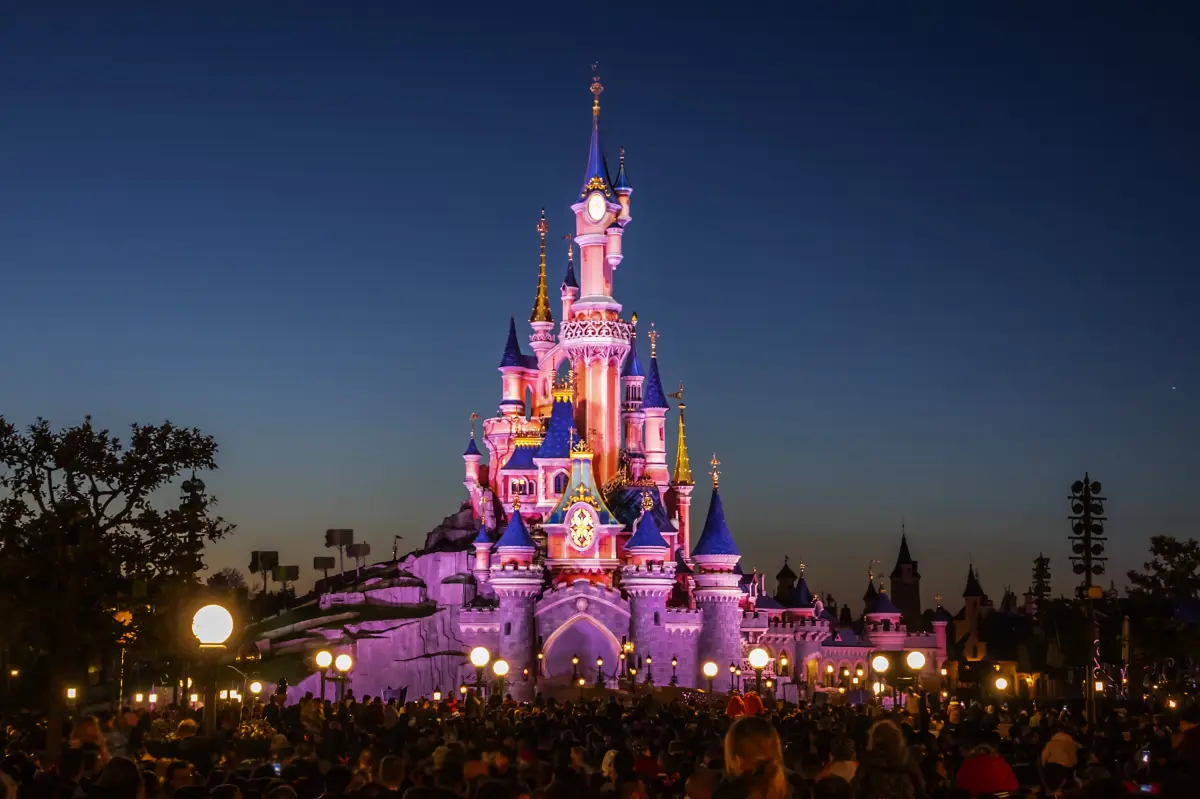
This controversial trend of compartmentalizing the park experience has now made a significant landing at Tokyo Disneyland, a destination long revered by international travelers for its exceptional value and world-class guest service. Beginning on September 16, the park is introducing a brand-new, Halloween-themed parade titled The Villains’ Halloween “Into the Frenzy,” running through October 31, which will feature iconic Disney antagonists throwing a high-energy seasonal party. However, the excitement surrounding the new production has been heavily overshadowed by the announcement of a new Premier Access fee specifically targeting the parade’s prime viewing locations. For a surcharge of approximately $22 (or roughly 3,500 yen) per person, guests can bypass the traditional, hours-long wait on the concrete and secure a reserved spot in the premium viewing areas. The Tokyo Disney Resort confirmed to local media that these choice locations will be strictly locked behind this paywall, with guests being assigned a highly specific, numbered standing or sitting spot via their mobile devices immediately upon purchase. While Premier Access for standard parades like “Harmony in Color” and the beloved “Tokyo Disneyland Electrical Parade Dreamlights” typically costs around 2,500 yen (about $16 USD), this new seasonal upcharge represents a noticeable premium, leaving parkgoers to grapple with the reality that even the simple pleasure of watching a villainous procession now requires a strategic, paid digital reservation.
This new parade fee does not exist in a vacuum; rather, it arrives at a time when visitors to the Tokyo Disney Resort are already adjusting to a broader, systemic rise in the overall cost of attendance. Just weeks before the Halloween parade announcement, the resort revealed that it would be implementing its first major entrance fee hike in three years, scheduled to take effect this October. Operating under the management of the Oriental Land Company—the Japanese enterprise that owns and operates the resort under license from Disney—the park announced that the cost of a single-day adult ticket will rise by up to 1,500 yen, bringing the maximum price of a prime-day ticket to 12,400 yen. Management cited rising administrative, operational, and labor costs as the driving factors behind the decision to adjust ticket prices. To make matters more financially challenging for visitors, the company also increased parking fees at the resort by 1,000 yen, compounding the baseline expenses of a family day out. This comes on the heels of the resort’s March 2021 transition to a dynamic pricing model, where ticket costs fluctuate widely between 7,900 yen and 10,900 yen depending on factors such as weekends, major holidays, and projected crowd density. While dynamic pricing is designed to distribute attendance more evenly throughout the week, for the average working family who can only visit during peak school holidays, it represents a permanent, unavoidable increase in the cost of entry.
The reaction from the global Disney community has been swift, emotional, and intensely critical, as fans take to social media to voice their collective exhaustion over what they perceive as an endless barrage of microtransactions. On platforms like Facebook, X, and Reddit, the announcement of the $22 parade fee sparked passionate debates, with one frustrated fan sharing an article about the upcharge alongside a blunt, single-word condemnation: “Stupid!!!” Another chimed in, highlighting the sheer absurdity of the mounting costs by writing, “Price hike is wild for Halloween.” These visceral reactions speak to a deeper psychological weariness among consumers who feel that the emotional connection they have nurtured with the Disney brand over decades is being leveraged against them. There is a growing sentiment that the magic is being diluted by corporate greed, transforming a trip that used to be a joyful rite of passage into a stressful exercise in budgeting and mathematical calculations. The frustration is not merely about the individual cost of a twenty-two-dollar parade ticket, but rather the cumulative effect of being constantly asked to pay extra for experiences that used to be inclusive, creating a lingering feeling of resentment that threatens to erode the brand’s long-term consumer goodwill.
Yet, despite the widespread outcry over the rising costs at international destinations like Tokyo Disney, a broader global perspective reveals a fascinating, if somewhat bittersweet, economic disparity: visiting a Disney park overseas remains vastly more affordable than attempting a trip to the domestic resorts in the United States. In America, a single-day, single-park adult ticket to Disneyland in California or Walt Disney World in Florida can range from a baseline of $119 to an astronomical peak of nearly $220—and that is before a family spends a single cent on food, merchandise, parking, or Lightning Lane access. By contrast, even after Tokyo’s upcoming October price hike to 12,400 yen (approximately $85 USD at current exchange rates), and with other international parks in Paris, Shanghai, and Hong Kong starting their ticket prices anywhere between $60 and $80, the global parks still offer a comparatively bargain-friendly alternative for travelers. This stark contrast highlights the unique challenges facing modern families who dream of experiencing the Disney magic. As corporate strategies continue to prioritize high-yield premium experiences over volume, the average consumer must now navigate a landscape where magical memories are meticulously itemized on a receipt, leaving many to wonder if the Happiest Place on Earth will eventually become a luxury reserved only for those who can afford the premium price of admission.