





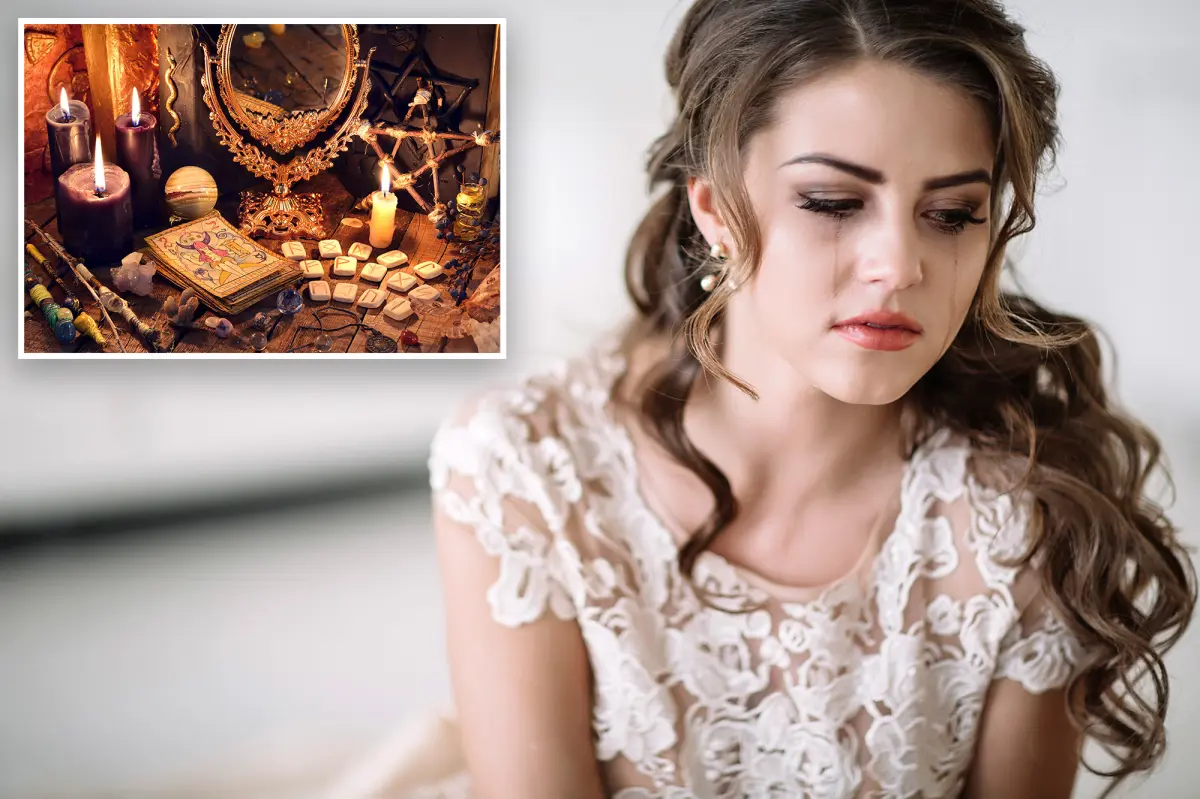
Planning a modern wedding has morphed from a joyful celebration of love into an emotional and financial endurance test. With budgets regularly nudging into the high five and six figures, couples find themselves at the mercy of countless unpredictable variables, none of which is more stressful or destructive than the weather. In response to this high-stakes anxiety, a delightfully quirky trend has taken over the wedding community: desperate brides are turning to “Etsy witches” to cast “good weather” spells. Offering what many view as cheap supernatural insurance, these online spellcasters are being commissioned to banish storm clouds and summon sunny skies. To a stressed-out couple who has spent years saving for an outdoor venue, risking fifteen dollars on a bit of cosmic intervention feels like a thoroughly reasonable bargain with the universe. It is a fascinating intersection of ancient mysticism and modern, white-knuckled wedding planning that has taken social media by storm, proving that when real-world logistics fail, a little bit of magic might just save the day.
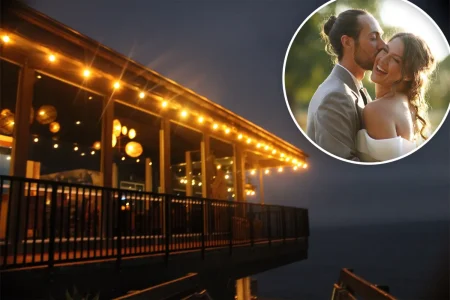
This mystical trend has exploded across TikTok, where thrilled newlyweds and stunned wedding vendors are sharing receipts of what they claim is genuine meteorological magic. Photographers and brides alike have gone viral by showing off pristine, sun-drenched ceremonies that occurred directly after a spell was cast—even when local meteorological forecasts had threatened back-to-back torrential downpours. One popular TikTok account, @allisonandwillow, urged followers to “hire the witch” and pay for a “premium weather spell” from popular Etsy stores, showing stunning wedding photos as proof. Wedding photographer Ellamae Ciesilk admitted she was a complete skeptic until she witnessed a bride’s rainy wedding day suddenly transform into a sunlit paradise after hiring an online spellcaster. Even when the skies do open up, believers find comfort in the strange, convenient layout of the storms. Bride Emley Rose shared how her “Etsy witch” seemingly negotiated with the clouds, causing a massive downpour to hit precisely when guests went indoors for dinner, only for the rain to stop the exact moment it was time to dance under the stars. For these couples, the spellcasters do not just deliver a physical change in the atmosphere; they deliver a narrative of protection and serendipity that makes their special day feel uniquely blessed.
While skeptics might roll their eyes at the idea of buying blue skies on the internet, the phenomenon makes perfect psychological sense when examined through the lens of modern wedding economics. According to the planning platform The Knot, the average American wedding now costs over $34,200, with celebrations in major metropolitan areas easily scaling past $100,000. When you are staring down a mountain of non-refundable deposits for caterers, flowers, and outdoor spaces, the sheer powerlessness of being unable to control the clouds can feel utterly suffocating. Personal finance expert Kimberly Palmer points out that when the financial aspects of a milestone event start to feel completely unmanageable, people naturally seek out any small anchor of control they can find. If paying fifteen dollars to an online mystic offers even a brief moment of peace of mind, it ceases to be a silly superstition and instead becomes the cheapest, most effective stress-relief line item on a couple’s entire budget sheet.
This financial coping mechanism is a very real stage of the wedding planning pipeline, often described by brides as the point where “money stops feeling real.” Toronto bride Janae Mariella shared that during the final two weeks of prep, when thousands of dollars are flying out of bank accounts daily, spending an extra twenty-five dollars on a weather spell feels entirely inconsequential, equating it to “free money” in the grand scheme of things. Similarly, Chicago bride Cami Danaher, who spent approximately $100,000 on her wedding, detailed how she spent a mere fourteen dollars on a spell to ward off a predicted February blizzard, only to be blessed with an incredibly warm, fifty-five-degree winter day. Did she truly believe she had bent the laws of physics with a few clicks on her computer? Not necessarily. But like many others, she realized that what she was actually buying was not a scientific guarantee of sunshine, but rather a temporary release from the choking anxiety of the unknown. It is a psychological placebo that allows couples to exhale, step back, and actually enjoy the anticipation of their wedding day rather than obsessively refreshing their weather apps.
On the other side of this spiritual marketplace, online spellcasters are discovering that wedding-day anxiety is a highly lucrative business model. Spiritual shops such as “By May Illy” and “Crystal Conjure Magic” have become viral sensations on “WitchTok,” with some shops performing upwards of one hundred weather spells each week for hopeful couples. Hank Mason, the co-founder of Crystal Conjure Magic, revealed that his shop generates well over $1,500 a week just from couples chasing sunshine and 70-degree forecasts. Navigating this marketplace, however, requires a bit of clever legal maneuvering. Etsy has technically banned the sale of actual supernatural services and physical spellcasting since 2015. To find a way around these regulations, clever shop owners package their services as personalized digital ritual guides, PDFs, or educational materials. Buyers technically receive a digital file to satisfy the platform’s terms of service, but everyone involved understands that the true transaction is the metaphysical work being done behind the scenes to keep the skies clear.
Ultimately, the rise of the Etsy weather witch is a deeply human story about our collective search for agency and comfort in an increasingly unpredictable world. The digital marketplace has democratized access to the esoteric, allowing people to seek out everything from weather magic to revenge hexes on sports stars with the click of a button. Whether or not these spells possess any actual cosmic weight is almost beside the point. In an era structured around rigid spreadsheets and escalating costs, these tiny, mystical expenditures represent a beautiful, hopeful act of surrender. They remind us that behind the multi-billion-dollar wedding industry are real human beings who simply want their special day to feel perfect, romantic, and perhaps just a little bit magical. By embracing the whimsical and the unseen, couples find a way to laugh at the weather forecasts, let go of their worries, and step into their new lives together with a sense of wonder.