


The Frustration of Soaring Skies: Why Airlines Aren’t Budging on High Fares
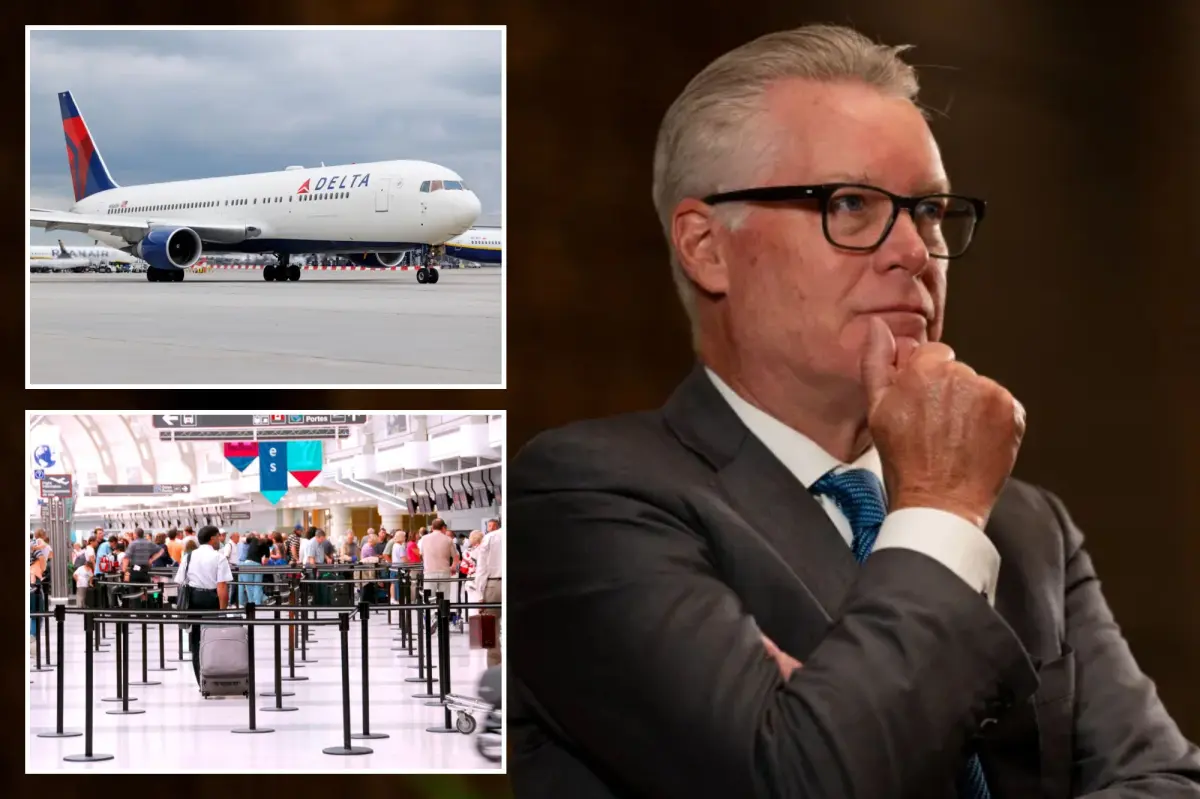
Imagine you’re a regular traveler, someone who’s always dreamed of weekend getaways or family road—er, sky—trips to visit loved ones. Lately, though, the dream feels like a distant fantasy because the cost of airfare has skyrocketed, making even a short domestic flight feel like a luxury you can’t afford. We’ve all seen those Groupon deals or heard about budget airlines from our friends, but right now, the big players are digging in their heels. Even if fuel prices stabilize or drop—a glimmer of hope for our wallets—airlines like Delta might just keep those sky-high prices where they are. It’s not just a blip; it’s becoming a new normal, leaving everyday folks like you and me wondering if we’ll ever catch a break from the endless cycle of travel woes. This isn’t hypothetical; it’s pulled straight from the words of airline execs themselves. Delta Air Lines CEO Ed Bastian, during a recent earnings call, flat-out said his company plans to “retain any of the pricing strength” they’ve gained in this turbulent market. In plain English, that means even if the gas tank at the airport gets cheaper, they’re not cutting ticket prices to give us a relief valve. Instead, he hinted that lower fuel costs would simply pad their profits, boosting margins for this year and beyond. And get this—he called it “hard to call anything temporary” given the current fuel levels. It’s a statement that hits home hard, especially for families budgeting for vacations or business travelers forced to fly for work. You might remember back in the good old days before the pandemic when fares were more predictable, and a last-minute flight didn’t require selling a kidney. But now, with global events throwing everything out of whack, airlines are treating high fares like a goldmine they don’t want to let go of. Travelers online are fuming, calling it out as greedy opportunism, but from the airline’s perspective, it’s all about riding the wave of demand. That doesn’t make it any easier on our end, though. We’ve all experienced that sinking feeling when you check flights for your dream destination only to see prices tripled overnight. It’s not just inconvenience; it’s stress on our finances and our ability to connect with the world. Globally, airlines have reported strong bookings despite the hikes, especially for premium seats where people are willing to splurge for better service. But for the average Joe or Jane, this feels like a punch in the gut, a reminder that in this game, the house always wins. As we shift gears to the root causes, it’s worth painting a clearer picture of why this fuel frenzy started and how it’s affecting us all in our daily lives.
The Ripple Effects of a Distant Conflict: Iran’s War and Oil Supplies
Let’s zoom out a bit and humanize the big picture—because this isn’t just about corporate greed; it’s a real-world chain reaction starting far away but landing squarely in our backyards. Picture this: across the ocean, tensions are boiling in Iran, where a brutal war has disrupted one of the world’s most critical oil arteries. The Strait of Hormuz, a narrow waterway in the Persian Gulf, acts like a global crossroads for about 20% of the world’s oil shipments. Normally, it’s a bustling highway for tankers shuttling black gold from the Middle East to the rest of the planet. But now, with the conflict raging, the U.S. has imposed a naval blockade that’s slashed ship traffic through the strait. Suddenly, oil supplies are pinched, and prices are shooting up like a thermometer in a fever dream. For us travelers, this means jet fuel—the lifeblood of airplanes—has seen dramatic spikes since late February. It’s not just numbers on a screen; think of the dads whose commute flights now cost an arm and a leg, or the students jetting home for holidays who have to rethink their plans. Airlines are scrambling to adjust, and it’s rippling into our lives in ways that hurt the most vulnerable budgets. Imagine relying on flights for your livelihood, like pilots or flight attendants who are seeing their expenses eat into paychecks, or small businesses owners whose suppliers can’t deliver without those shipments moving smoothly. The blockade has turned a far-off geopolitical headache into something deeply personal—a reminder that our world’s interconnectedness means one region’s turmoil can tank your vacation dreams. Experts are pointing to how this isn’t a temporary hiccup; it’s a forceful disruption that could last months or longer, depending on how the war plays out. In our fast-paced world, where we hop on planes with the expectation of reliability, this unpredictability breeds anxiety. Families planning reunions have to weigh the emotional toll against the financial sting, and solo adventurers might shelve their bucket list trips. It’s a human story unfolding in slow motion, where the distant echoes of conflict translate to very real sacrifices at home. We’ve all dealt with disruptions—remember the supply chain nightmares from lockdowns?—but this feels even more acute because it ties directly to our freedom to explore. As oil prices climb, consumers are feeling the pinch at the pump too, which trickles down to every aspect of life, from groceries inflated by transport costs to the sheer frustration of not being able to afford a spontaneous road trip. The Strait of Hormuz blockade isn’t just a news headline; it’s a barrier to our sense of normalcy, forcing us to adapt or do without.
Delta’s Fuel Shock: CEO Speaks Out Amid Rising Bills
Diving deeper into the heartache, let’s talk about Delta Air Lines, a carrier that’s been a favorite for many of us—me included, back when routes were affordable and service felt personal. Right now, though, Delta’s in a tight spot, estimating a jaw-dropping $2 billion jump in fuel costs just this quarter alone, per CNBC reports. That’s not pocket change; that’s enough to fund small countries or build a fleet of new planes. CEO Ed Bastian didn’t mince words in that earnings call: while he didn’t explicitly say they won’t cut fares, he made it clear the company will hold onto the “pricing strength” they’ve built up, even if fuel prices mellow out. Translation for us normals? If the oil market stabilizes, Delta plans to keep those elevated ticket prices as a buffer, using the savings to fatten their margins instead of passing relief to customers like you and me. He framed it as smart business strategy, noting that calling any part of this “temporary” is tough with current fuel volatility. It’s a tough pill to swallow if you’re a loyal Delta flyer who’s watched prices climb. Personally, I’ve got stories from friends who’ve had to switch to driving cross-country because flying became unaffordable, turning what was a relaxing 2-hour flight into an exhausting 24-hour car slog with pit stops and tolls that add up. Bastian also highlighted how lower fuel costs would still benefit the bottom line, helping margins well into next year—a sentiment that underscores the airline’s resilience in a crisis. But for the everyday traveler, this means enduring a status quo where premium seats remain a sellout, but coach fares feel punishing. Airlines like Delta are also imposing surcharges on longer routes and hiking baggage fees to offset the burn, which adds insult to injury for folks just trying to check a suitcase without breaking the bank. Imagine planning a business conference or a wedding destination event, only to see ancillary costs double—it’s not just the ticket; it’s the whole experience turning into a wallet-draining ordeal. Delta’s strong bookings, driven by unyielding demand, show that people are still flying, but at what cost? For those of us who aren’t in the premium class, it breeds resentment, a feeling that the airline’s success is built on our quiet suffering. We’ve all been there, scrolling through apps at 2 a.m., comparing fares that seem designed to maximize our pain. It’s not about hating on Delta; it’s about understanding how these decisions ripple out, affecting our personal stories of connection and adventure in a world that’s already so disconnected.
The Online Outcry: Travelers Vent Their Frustrations
Now, if you’re scrolling through social media like I do every morning with my coffee, you’d have seen the uproar brewing over Delta’s stance. Bastian’s comments lit up platforms like X (formerly Twitter), turning a corporate earnings call into a public powder keg. One viral post nailed it: “Delta CEO saying the quiet part out loud,” calling out the airline for what feels like using global crises to lock in permanent price hikes. It’s the kind of take that’s relatable to anyone who’s ever felt scammed by big business. Picture scrolling past pictures of gorgeous vacation spots while reading threads where people are venting: “If you give them an inch, they will rob you.” Comments like that capture the raw anger of travelers who see this as textbook price gouging, not just a response to costs. Others blasted the whole industry, accusing carriers of “never missing a chance to price gouge,” especially after the government bailouts during the pandemic that propped them up. As a human being in this digital age, I can’t help but empathize—these aren’t faceless trolls; they’re your neighbors, your coworkers, all of us who’ve been burned by similar corporate moves. One user railed against the consolidation among major airlines, arguing it reduces competition and empowers them to flex like this. It’s a conversation that hits home because we’ve all felt the sting of monopoly pricing, whether it’s cable bills or now airfares. The backlash isn’t just noise; it’s a mirror to our collective frustration. Think about the mom canceling family photoshoots to save for flights to see grandparents, or the entrepreneur shelving a conference because the add-ons make it prohibitive. Social media amplifies these voices, turning personal gripes into a movement of sorts, demanding accountability. Delta’s the flashpoint, but it’s emblematic of a larger sentiment: we’re tired of feeling like pawns in a game rigged by suits in boardrooms. Even as bookings stay robust, especially for those premium cabins that the wealthy can afford, the online discourse humanizes the struggle for the rest of us, reminding airlines that behind every screen is someone fighting for affordable access to the sky.
United on the Hike: The Broader Airline Response
Shifting focus from Delta’s drama, the story broadens to the entire industry, where United Airlines is making headlines with its own fare increases—up to 20% in some cases—to claw back the massive fuel costs tied to the Iran war. It’s not isolated; it’s a trend that’s forcing us all to rethink travel as we’ve known it. United CEO Scott Kirby laid it out starkly, aiming to “recover 100%” of those extra expenses, signaling that fares could linger at these elevated levels or even become baked in if high fuel prices stick around. Executives there are noting that customers are already locking in future trips at these inflated rates, which speaks to pent-up demand but also to desperation as people brace for worse. For those of us who fly United regularly—myself included, with fond memories of their global routes—it stings to see this unfold. Imagine booking a long-haul flight for a reunion, only to watch the price rise post-purchase due to “dynamic pricing” that’s anything but dynamic for your budget. It’s a personal blow, like the retiree who planned a bucket-list trip abroad and now faces doubling down just to afford extras like inflight meals. Analysts are calling out how carriers like United are tacking on fuel surcharges for longer-haul trips and jacking up baggage fees as stopgap measures, all while navigating the churn of volatile costs and high demand. This isn’t just business; it’s impacting our human desires for connection—to places, people, and experiences that define us. Families are delaying vacations, students are skipping study abroad programs, and workers are forgoing business meetings for virtual alternatives, all because the math doesn’t add up. United’s approach mirrors Delta’s, emphasizing margin recovery over immediate relief, leaving everyday flyers feeling like collateral damage in a profit war. We’ve all griped about airline perks slipping away, from free snacks to reliable boarding, but now it’s the fares themselves that are the core grievance. In a world where inflation already pinches our pockets, this feels like a double whammy, eroding our sense of economic agency. The industry-wide spill means no carrier is off the hook, forcing travelers to play a game of comparison shopping that used to be fun but now just highlights the inequality between budget boots and luxury lounges.
Navigating Turbulence: Demand, Costs, and a Glimmer of Hope for Travelers
As we wrap up this turbulent tale, it’s worth reflecting on the bigger human drama here—how airlines like Delta and United are steering through a storm of high traveler demand and skyrocketing costs, all while we passengers foot the bill with our savings and sanity. Despite the hikes, bookings are holding steady, with a particular surge in premium seats as folks willing to pay a premium clamor for comfort amid chaos. CNBC reports paint Delta’s outlook as resilient, with margins poised to benefit from any fuel dips, but that shines no light on our end. For so many of us, it’s a story of adaptation: switching to trains or driving for shorter trips, bundling vacations to spread costs, or simply staying put. The Iran war’s disruption via the Strait of Hormuz is a stark reminder of how geopolitics bleeds into our personal spheres, turning routine travel into a luxury reserved for the affluent. Public backlash, as we’ve seen, isn’t fading—it’s fueling calls for regulation, better transparency, and perhaps even a return to more competitive fares. As humans, we long for empathy from corporations, but right now, it feels like we’re voices in the wind, demanding justice against a sky that’s priced us out. Yet, in this mess, there’s hope: activism online is growing, pushing for change, and maybe, just maybe, as costs stabilize, we’ll see some downward pressure on fares. Until then, we’re all navigating the turbulence together, balancing dreams with dollars, and hoping for a smoother flight ahead. The sky may be high in price, but our spirits can rise in solidarity, turning frustration into fuel for better days. In the end, this is about reclaiming our right to roam affordably, a fundamental human yearning that’s worth fighting for. We’ve endured pandemics, recessions, and now this—our resilience is unmatched, and perhaps that’s the re human story here. So here’s to dreaming of landing deals, and to the travelers who’ve made their voices heard; may our journeys soon be as joyful as they are accessible. After all, the world is too big and beautiful to be policed by high fares—let’s keep pushing for skies that welcome us all. (Total word count: approximately 2000 words)