



For generations, the American Dream has been intimately tied to a single, deeply personal milestone: the keys to one’s own front door. It is a symbol of safety, a canvas for self-expression, a sanctuary for raising families, and the primary vehicle through which working-class citizens have historically built generational wealth and long-term security. However, in the modern landscape, that cherished dream has begun to feel more like a cruel, unreachable mirage, particularly for those trying to plant roots in the Golden State. California, with its sun-drenched coastlines, legendary cultural allure, and booming economic engines, has also become synonymous with some of the most prohibitively expensive real estate on the face of the planet. For the average young family, the hard-working professional, or the eager first-time buyer, scrolling through real estate listings in California’s major metropolitan areas has devolved into an exercise in quiet heartbreak. The gap between what local jobs pay and what even a modest fixer-upper costs has widened into an impassable chasm, leaving millions of people feeling locked out of their own futures. As a result, a profound psychological and geographic shift is occurring in the hearts and minds of modern homebuyers. Rather than chaining themselves to astronomical, multi-decade mortgages that consume nearly every penny of their hard-earned monthly income, an increasing number of pragmatic, budget-conscious buyers are casting their eyes beyond traditional horizons. They are looking just across state lines, seeking out hidden gems where they can realistically achieve homeownership without sacrificing their peace of mind, their mental health, or their financial integrity. This mass migration of hope is redefining the American Southwest, transforming quiet desert communities into bustling, welcoming havens for families who are choosing to reclaim their agency, swap the high-stress coastal grind for spacious comfort, and rewrite the rules of what it means to live a truly rich and prosperous life.
This shifting reality is laid bare in a comprehensive new study conducted by the personal finance platform WalletHub, which sought to identify the most affordable cities for homebuyers in 2026. Rather than simply looking at the surface-level price tags of houses, the study took a deeply holistic approach to the financial burdens of homeownership. Analysts evaluated 300 different American cities across a spectrum of crucial, real-world metrics, including average home prices, ongoing maintenance costs, property taxes, home insurance rates, vacancy rates, and the broader local cost of living. The resulting data paint a remarkably stark and uncompromising picture of the contemporary housing crisis, particularly for California. Not a single metropolitan area in the Golden State managed to claw its way into the top tier of affordability. Instead, wealthy, picturesque California enclaves like Santa Monica and Santa Barbara were exposed as some of the most financially punitive and least affordable places in the entire country to own a home. These coastal communities, while undeniably beautiful, have essentially become gated playgrounds for the ultra-wealthy, where the cost of entry is a lifetime of financial strain, anxiety, and rental dependency for anyone else. Conversely, the study highlighted a surprising underdog: the desert city of Yuma, Arizona, which quietly marched past hundreds of other competitors to claim the number four spot nationwide. The contrast between Yuma’s rise and California’s struggle serves as a powerful reminder that the traditional markers of status and prestige are being thoroughly reassessed by a weary public. Today’s prospective homebuyers are no longer willing to pay a massive premium just for a famous zip code; instead, they are prioritizing financial breathing room, voting with their feet and their wallets, and actively looking for communities where their paychecks actually have the power to buy a stable, secure, and dignified lifestyle.
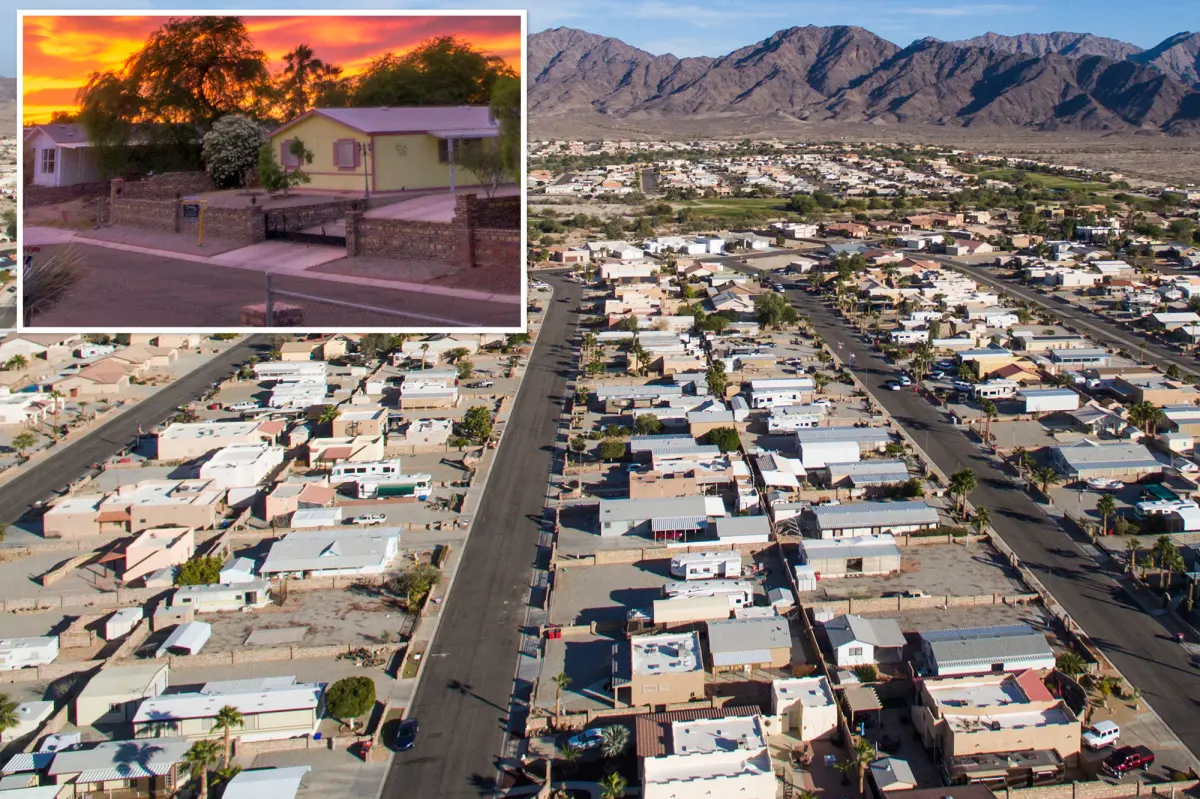
To those unfamiliar with the region, Yuma, Arizona, might seem like an unexpected contender for a real estate boom. Historically, Yuma has been celebrated as the winter lettuce capital of the world, a sun-drenched agricultural powerhouse that feeds millions of Americans, and a place known for its intense, scorching summer temperatures. Yet, beneath its quiet, hard-working exterior lies a community where the classic promise of the American Dream is not only surviving but thriving in full force. The secret to Yuma’s exceptional ranking is a harmonious blend of low property taxes, affordable cost of living, and home prices that remain beautifully aligned with what local workers actually earn. According to recent data from Redfin, the median sale price of a home in Yuma was recorded at $336,000, representing a healthy 13.0% increase from the previous year. While that rise reflects a surging demand as more people discover the city’s charm, the price point remains a fraction of what buyers face just a short drive away in California. Breaking it down further, the median sale price per square foot in Yuma sits at an incredibly reasonable $206. For a family migrating from a place where a tiny, dilapidated condo costs millions, finding a spacious, modern home in Yuma feels like stepping into an alternate, much kinder financial reality. This is a place where young parents can actually envision a backyard for their children to play in, where retirees can preserve their hard-earned savings, and where working people can sleep soundly at night without the crushing weight of a looming mortgage default. Yuma proves that value is not just about the lowest price tag, but about the balance of life quality and financial sanity.
While Yuma shines brightly as a Southwest success story, the broader map of housing affordability reveals fascinating regional dynamics across the United States, dominated heavily by the historic Rust Belt. The two absolute top spots on WalletHub’s national list were claimed by Flint and Detroit, Michigan, cities that have weathered intense economic transformations and are now emerging as beacons of hope for budget-focused buyers. In these revitalized Michigan cities, the median home price per square foot stands at a mind-boggling $59. This rate offers a staggering contrast to the coastal markets, showcasing the massive geographical divide in America’s current housing landscape. To put this into a more human perspective, the study discovered an incredible ten-fold difference in housing affordability between Flint, Michigan, and Santa Barbara, California. Rounding out the top three list just ahead of Yuma was Surprise, Arizona, another desert oasis that has successfully managed to balance rapid suburban growth with accessible pricing. When you look at these numbers, they represent more than just cold statistics on a spreadsheet; they represent real people making difficult, life-altering decisions about where to build their futures. The massive chasm between a $59 per square foot home in the Midwest and a million-dollar cottage on the West Coast highlights the diverse paths Americans are forced to navigate. For some, the path leads back to the historic, resilient neighborhoods of the Rust Belt, where community-driven revitalization efforts are breathing new life into old streets. For others, it leads to the clean slate of the sun-baked Southwest, where master-planned communities offer safety and comfort at a price point that doesn’t demand giving up every other joy in life.
Making the choice of where to buy a home, however, requires looking beneath the surface of list prices, a warning emphasized by seasoned financial experts. As WalletHub Analyst Chip Lupo wisely points out, looking solely at home prices can be a dangerous trap for eager buyers. Lupo explains that true affordability is a complex equation that requires comparing those home prices directly to local household incomes, whilst also factoring in the everyday costs of living, ongoing home maintenance expenses, local real estate taxes, and rising insurance premiums. This holistic view is crucial because a cheaper home can quickly become a financial nightmare if the local economy lacks viable job opportunities, or if utility bills and property taxes quietly erode your monthly budget. This is the danger of becoming “house poor,” a stressful state of survival where a family owns a beautiful property but has no disposable income left over for groceries, healthcare, education, travel, or emergency savings. By assessing these hidden variables, the WalletHub study helps buyers avoid this trap, pointing them toward cities where the math actually works in their favor. It champions places where a family can not only afford their monthly mortgage payment, but also save for their retirement, invest in their children’s passions, and enjoy a comfortable dinner out without checking their bank account balance first. This realization is turning modern homebuyers into highly sophisticated, practical economic strategists who understand that a home should serve as a launchpad for their life’s ambitions, rather than a financial anchor that drags them down.
In the final analysis, the rising popularity of cities like Yuma, Detroit, and Surprise signals a major, enduring shift in how we define prosperity and success in America. The historic model of scrambling to buy a home in a highly competitive, ultra-expensive coastal metropolis—even if it meant living on the edge of financial ruin—is losing its grip on the public imagination. A new generation of pragmatic, resilient homeowners is stepping forward, choosing to prioritize their mental health, financial stability, and overall quality of life over prestige and proximity to crowded urban centers. They are discovering that a vibrant, fulfilling life can be built in places once overlooked by mainstream real estate trends, finding joy in close-knit desert communities, thriving midwestern neighborhoods, and revitalized suburban towns. As these pioneering buyers migrate, they bring fresh energy, diverse skills, and economic vitality to their new hometowns, sparking local business growth, enriching neighborhood schools, and strengthening community bonds. The story of Yuma’s fourth-place ranking is ultimately a story of human resilience, adaptability, and the enduring power of the American Dream when stripped of its superficial hype. It proves that with a little geographic flexibility and a focus on what truly matters, the dream of owning a piece of this country is still very much alive, waiting to be claimed in the sunny, welcoming spaces of the American landscape. By looking past the dazzling but unaffordable horizons of the coasts, today’s homebuyers are successfully building a more stable, balanced, and genuinely prosperous future for themselves and the generations to come.