






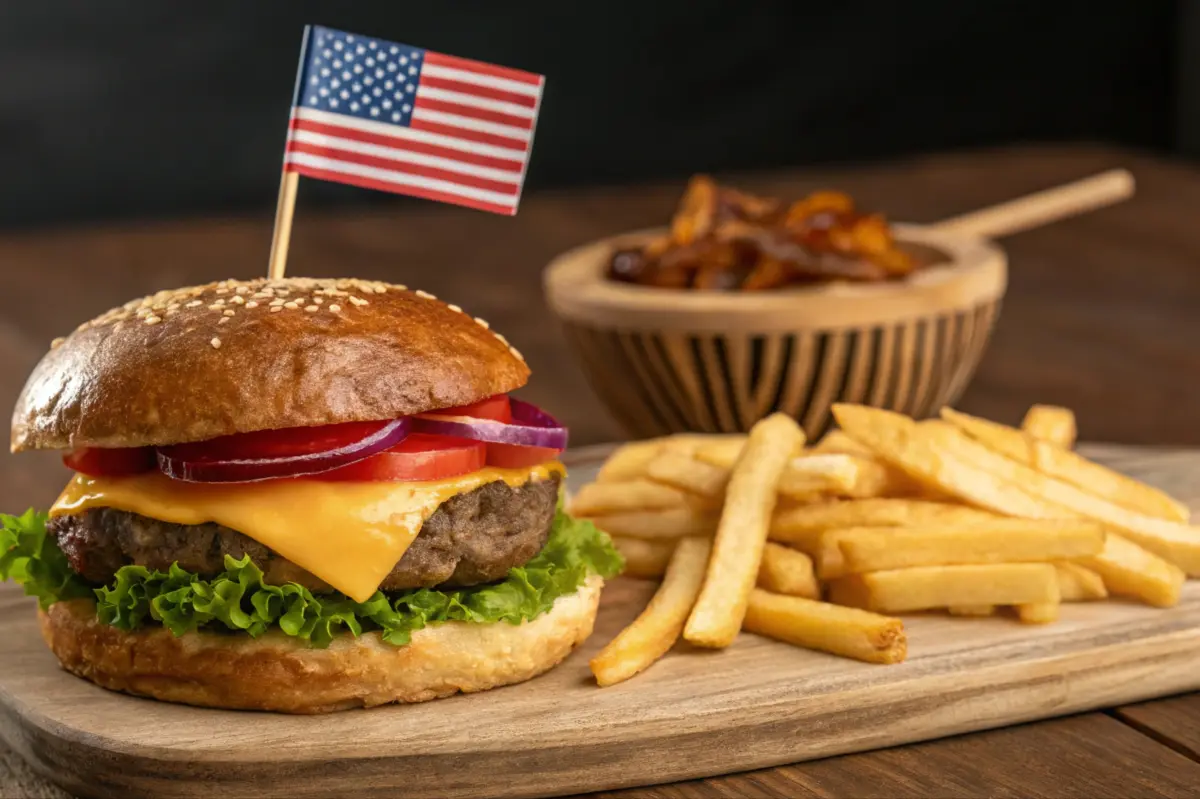
Few culinary combinations capture the essence of American comfort food quite like a juicy cheeseburger, a side of salty fries, and a refreshing, ice-cold soda. It is a timeless, reliable meal that transcends generations, offered at nearly every corner diner and fast-food drive-thru across the nation. Yet, while the recipe for this beloved trio remains largely unchanged from coast to coast, the hit your wallet takes when ordering it varies dramatically depending on your zip code. This economic reality is laid bare by a clever new metric dubbed the “Cheeseburger Index,” featured in DoorDash’s latest State of Local Commerce report, which tracks the real-world cost of living through the lens of our favorite fast-casual craving.
According to the report’s findings, the absolute best place to satisfy a burger craving on a budget is Austin, Texas, where the entire classic combo averages a highly agreeable $12.94. Indeed, the Lone Star State dominates the leaderboard for affordability, with four of its cities ranking among the nation’s ten best-value locations. Laredo, Texas, secured the second-place spot with an average price of $13.39, followed closely by Lincoln, Nebraska ($13.86), Detroit, Michigan ($14.99), and Philadelphia, Pennsylvania ($15.41). DoorDash’s data reveals a clear geographic trend: cities nestled within the South, Southeast, and Midwest remain significantly more affordable, largely benefiting from structurally lower local operating costs that keep both restaurant menus and grocery store shelves reasonably priced.
On the flip side, geography can also be a costly burden. If you find yourself craving this classic American meal in Anchorage, Alaska, prepare for a staggering dose of sticker shock, as the exact same combination of a cheeseburger, fries, and a soda will set you back an average of $28.28—more than double the price of the same meal in Austin. This massive discrepancy highlights a fundamental truth about our financial lives: there is no single, monolithic national economy, but rather a complex patchwork of highly localized markets. In isolated regions like Alaska, the compounded expenses of transporting ingredients across vast distances, paired with steep local utility and operating costs, drive menu prices to eye-watering heights.
These localized price climbs are happening against a broader backdrop of persistent inflation in the dining-out sector. While the prices of many raw grocery items and household staples have finally started to stabilize after years of volatile swings, eating at a restaurant is only getting more expensive. DoorDash’s data indicates that the average cost of our benchmark cheeseburger meal climbed by 3.2 percent over the past year alone. While rising beef prices have certainly made headlines and put pressure on kitchen margins, researchers suggest that the steady upward march of menu prices is driven far more by rising overhead costs—such as commercial rent, energy bills, and competitive local wages—than by the cost of the ingredients themselves.
To paint a more complete picture of how these economic pressures squeeze the average household budget, DoorDash pairs its Cheeseburger Index with two other creative measures: the Breakfast Basics Index, which tracks morning favorites, and the Everyday Essentials Index, which monitors the cost of common pantry and household staples. While many daily non-perishable goods have leveled off in price, the cost of fresh food remains highly unpredictable. For instance, while egg prices have mercifully come down from their record highs, shoppers are now facing new spikes in the produce and dairy aisles, with avocado and milk prices jumping 12.4 percent and 8.3 percent in just a single quarter.
Ultimately, the true value of the Cheeseburger Index lies in how it translates dense, dry economic data into a tangible concept we can all easily digest. As Jessica Lachs, DoorDash’s chief analytics officer, points out, tracking the shifting price of a single, relatable meal over time is a brilliant way to showcase how macroeconomic trends impact our daily lives. Whether you are living in an affordable Midwestern hub or navigating the expensive reality of a coastal metro, the humble cheeseburger index serves as a friendly, delicious reminder of the unique local forces that shape our financial realities and dictate what we pay for comfort.