





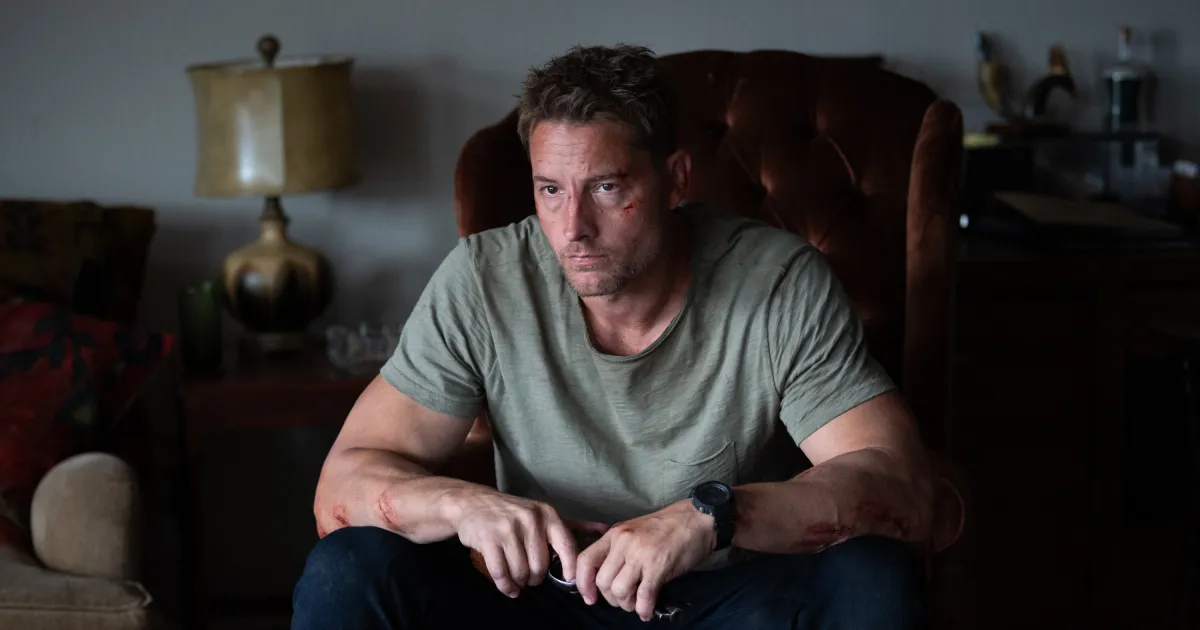
At its core, Tracker has grown into a modern television phenomenon because it taps directly into a deeply human, timeless yearning: the desire to escape the overwhelming noise of modern society, hit the open highway, and find true connection in the forgotten corners of our vast world. Starring Justin Hartley as the rugged, independent survivalist and professional reward-seeker Colter Shaw, the hit CBS and Paramount+ series has captivated millions of viewers by seamlessly blending the adrenaline-pumping elements of a missing persons thriller with the quiet, emotional resonance of a traveler who is searching for his own sense of peace. Recently, Hartley broke his silence regarding a monumental logistical shift for the show’s upcoming fourth season, addressing the production’s decision to relocate entirely from its original filming hub of Vancouver, Canada, to the sprawling, vibrant landscape of Los Angeles, California. Speaking with The Wrap, Hartley shared a grounded and reassuring message with the show’s fiercely loyal audience, emphasizing that a change of filming locations will not alter the fundamental, hard-earned spirit of the series. He explained that in terms of overall tone, atmosphere, and character development, the geographical move will have absolutely no negative impact, reminding fans that Tracker is, at its very heart, a nomadic road show. Colter Shaw is an eternal wanderer who lives out of his trusted Airstream, driving tirelessly from town to town, crossing state lines, and meeting people from every imaginable walk of life to offer them hope in their darkest moments. In Hartley’s view, the transient strangers Colter rescues along his journeys ultimately become his surrogate family, showing that the heartbeat of the series lies in its human relationships rather than any singular geographic backdrop, ensuring that the show’s profound sense of empathy remains completely intact.
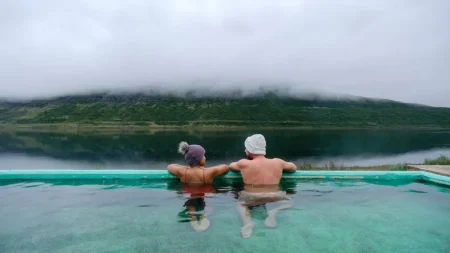
This major transition is undeniably bittersweet, particularly because it means saying a heartfelt goodbye to the majestic, misty beauty of Vancouver, British Columbia, which lovingly hosted the cast and crew for the first three seasons. The breathtaking, rain-swept forests of the Pacific Northwest, with their towering pine trees, rugged mountain ranges, and atmospheric overcast skies, played an essential role in defining the signature visual style and gritty, grounded aesthetic of the show’s early days. An incredibly talented and dedicated community of Canadian filmmakers, craftspeople, technicians, and local actors worked side-by-side with Hartley to nurture Tracker from a promising pilot script—adapted from Jeffery Deaver’s popular novel The Never Game—into a massive broadcast television success. Hartley made sure to express his deepest admiration and gratitude for the Vancouver film community, acknowledging the pride he feels for the beautiful world they built together over three wonderful years of hard work. However, the actor also pointed out that the natural lifecycle of any great piece of art requires constant evolution, adaptation, and a willingness to step outside comfort zones. Rather than sticking to a safe formula or repeating the same structural beats out of convenience, Hartley and showrunner Elwood Reid are determined to push the boundaries of modern television storytelling, seeing this cross-border relocation as a golden opportunity to breathe new life into the production. This perspective honors the human efforts of the past while boldly embracing the creative growth of the future, recognizing that the best storytelling occurs when a production is brave enough to evolve.
From a creative standpoint, the migration to Southern California unlocks a treasure trove of breathtaking natural backdrops that will allow the writers and directors to treat the physical environment as a dynamic, living character in the story. California possesses some of the most ecologically diverse terrain on Earth, offering filmmakers immediate access to wide-open deserts, dramatic coastal cliffs, rolling golden hills, dense ancient forests, and massive urban centers that can easily double for locations like Texas, Washington, D.C., New York, or any other state on the map. Hartley expressed immense excitement about this visual playground, noting that the sheer variety of landscapes provides the show with a brand-new palette to explore. On a project like Tracker, where the plot directly centers on Colter Shaw navigating treacherous, unfamiliar terrain to find lost hikers, missing children, or hunted fugitives, the environment is never merely wallpaper; it actively dictates Colter’s survival strategy, the physical hurdles he must overcome, and his search-and-rescue methods. A rescue operation in the dry, sun-scorched, and unforgiving Mojave Desert presents an entirely different set of sensory details, dangers, and narrative tension than a frantic search through a wet, freezing mountain pass. By exposing both characters and viewers to these radically different climates, the show’s creative team can keep the stories fresh, demanding new levels of physical resourcefulness from Colter and introducing audiences to captivating local subcultures that thrive in these diverse regional settings.
Beyond the artistic advantages, the relocation of Tracker is deeply connected to a powerful story of human economic recovery, offering a crucial lifeline to entertainment industry professionals in California. The massive production move was facilitated by a highly competitive $48 million tax credit awarded by the state, which is projected to generate over $129 million in qualified expenditures directly within the California economy. Behind the glittering names of Hollywood stars, there is a sprawling, hard-working community of middle-class professionals—including construction crews, hair and makeup artists, transportation drivers, camera operators, local caterers, and equipment suppliers—who form the true backbone of the entertainment industry. Many of these local workers and their families have faced unprecedented financial hardships in recent years due to massive industry strikes, inflation, and a general decline in domestic production. By bringing a top-tier network hit like Tracker back to California, 20th Television is directly creating thousands of high-quality local jobs, allowing working-class families to earn a stable living while remaining in their own homes. Tracker represents the studio’s single largest television series to repatriate to California under this specialized program, joining other major, high-budget productions like Amazon Prime Video’s Fallout and Dan Fogelman’s highly anticipated upcoming sports drama, The Land. This financial decision serves as a reminder that the business of television is ultimately a deeply human enterprise, where tax policies can directly translate into job security and prosperity for thousands of real-world families.
A particularly fascinating detail of the geographic move lies in the strategic use of California’s unique filming incentives, specifically a policy that rewards production companies for taking their projects outside the traditional boundaries of Hollywood. Under the state’s program, television shows can qualify for an additional five percent tax credit bonus, on top of their substantial thirty-five percent base credit, for any qualified expenditures incurred outside of the famous “30-mile zone,” a historical geographical boundary centered around West Los Angeles. This smart incentive encourages production teams to pack up their gear and explore the outer reaches of the Golden State, driving economic growth, municipal revenue, and tourism directly into rural, suburban, and smaller semi-wilderness communities that do not typically benefit from Hollywood’s massive footprint. For a series structured like Tracker, this policy aligns beautifully with the core narrative DNA of the show, as Colter Shaw’s hazardous missions rarely take place inside comfortable, predictable suburban neighborhoods or downtown city centers. The tax bonus perfectly incentivizes the show’s writers and location scouts to push into gorgeous, untouched wilderness regions, such as the dusty roads of Lancaster, the majestic heights of the San Bernardino Mountains, or the isolated coastal communities of Ventura County. This practical financial strategy fosters a beautiful, rare harmony between state economic policy and the artistic identity of the show, ensuring that the real-life crew mirrors Colter’s own adventurous, off-the-grid spirit by constantly discovering and highlighting the rugged, hidden beauty of the California countryside.
As anticipation steadily builds for the premiere of Season 4 on Paramount+, both the creators and cast are moving forward with a profound sense of gratitude, excitement, and a deep, enduring commitment to their audience. In his public statements, Justin Hartley went out of his way to express his immense appreciation for the fans, warmly acknowledging that the show’s incredible journey would be completely impossible without the passionate support of viewers who have tuned in every step of the way. Ultimately, beneath the thrilling action, tracking techniques, and survivalist lore of the series lies a beautifully human-centric story about hope, resilience, the tragedy of loss, and the healing power of closure. As Colter Shaw sets out to navigate these stunning, unfamiliar California landscapes, he continues to represent a timeless source of comfort for the desperate people he helps—a lone hero who proves that even in a vast, indifferent world, no one is ever truly beyond recovery. The upcoming season promises to deliver the same high-stakes suspense, deeply moving character arcs, and rich human connections that made Tracker a breakout hit in the first place, but with an energized perspective and a visually stunning new canvas. By evolving its physical environment while keeping its compassionate, community-focused soul fully intact, Tracker is poised to deliver its most thrilling, artistically rewarding season yet, proving that no matter where the road leads, the heart of the journey remains as true and steady as ever.