





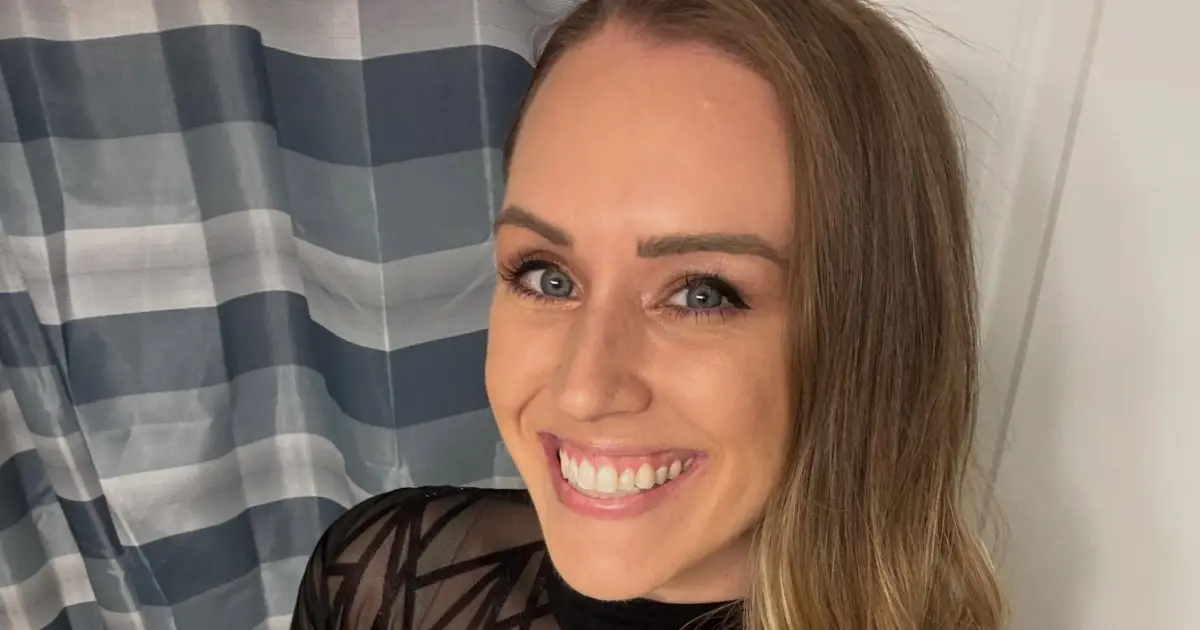
In the fast-paced and often superficial world of social media, few things capture the collective heart of the internet quite like raw, unfiltered humanity. When beloved content creator, pediatric nurse, and mother Jen Hamilton announced her painful separation from her husband, Brian, her massive online community felt the shockwaves of her heartbreak. In the wake of such devastating personal news, fans immediately scrambled to find ways to uplift her, ultimately launching a passionate, grassroots digital campaign to draft her as the next star of ABC’s The Bachelorette. This enthusiastic push highlights a fascinating aspect of modern internet culture: the deep, parasocial bonds we form with creators, which often drive us to wish for their immediate, cinematic vindication. For her millions of followers, casting Jen as the Bachelorette was not just a fun reality television fantasy; it was a collective expression of love, a desperate wish to see a woman who has brought so much joy to others be rescued from the ruins of her marriage and handed a fairy-tale ending complete with a gallery of handsome, devoted suitors. Yet, the chasm between the glittering, highly produced fantasy of television romance and the messy, exhausting reality of a newly single mother grieving a broken home is vast. Rather than ignoring the swell of public hope or letting others define her next chapter, Jen chose to address the Bachelorette rumors head-on, using her characteristic humor to gently dismantle the illusion and reclaim her narrative on her own terms.
On a quiet Sunday in early August, Jen took to her Instagram account to post a hilariously self-deprecating video that instantly went viral, proving exactly why her followers adore her in the first place. In a series of cleverly staged vignettes, the thirty-five-year-old creator poked fun at the sheer absurdity of placing her highly relatable, unpolished self into the hyper-curated, high-glamour ecosystem of reality TV dating. Adopting a sarcastic, dramatic voiceover reminiscent of the show’s actual promos, she introduced herself as the Bachelorette that producers absolutely “did not vet” but were forced to cast due to a relentless barrage of social media comments. The comedy hit its stride as she acted out imaginary dates with hypothetical contestants, instantly rejecting a suitor who claimed his favorite hobby was running by pointing him toward the exit with a dry, swift dismissal. She then turned her comedic lens onto the show’s obligatory, highly sexualized beach dates, pointing out with refreshing, self-aware honesty that her body is built quite differently from the airbrushed, twenty-something contestants who typically dominate the franchise. Quipping that she does not possess the kind of specialized shapewear or “drawers that cover it alls” necessary to look comfortable in front of network cameras on a sandy beach, Jen beautifully demystified the toxic physical expectations of modern television. By laughing at her own perceived incompatibility with the show’s aesthetic, she did something incredibly healing for her audience: she validated the bodies and lifestyles of ordinary women everywhere, showing that true confidence lies in refusing to squeeze oneself into a mold that was never designed to fit you.
The internet’s response to Jen’s comedic masterpiece was swift, joyful, and deeply validating, sparking a broader conversation about what audiences actually want to see on television today. Among the thousands of glowing comments was a notable nod of approval from former Bachelorette lead Katie Thurston, who stepped into the comment section to offer her genuine support, playfully promising to give Jen a direct line to the show’s casting directors if she ever chose to take the leap. This public endorsement from a seasoned veteran of the franchise added a delightful layer of legitimacy to the fan campaign, proving that even those who have lived through the reality TV machine recognize the undeniable charm of Jen’s authenticity. Across her platforms, fans began enthusiastically brainstorming a brand-new concept for the franchise, championing the idea of a “Divorced Mom Edition” as the only version of the dating show they would actually tune in to watch. This collective craving reveals a profound cultural shift; viewers are increasingly fatigued by the parade of young, polished influencers who appear on these shows primarily to build their personal brands and secure corporate sponsorships. Instead, there is a deep, unmet hunger for stories about real people who have lived complex lives, survived real heartbreaks, and raised children. A show centered around a divorced mother like Jen would not just be entertaining; it would be a revolutionary validation of life after divorce, showing that a woman’s romantic journey does not end when her first marriage does, and that there is immense beauty, humor, and desirability in starting over.
However, beneath the lighthearted banter, the mock dates, and the playful interactions with reality TV royalty lies a much heavier, deeply sobering reality that no television script could ever fully capture. Just weeks before her Bachelorette videos brought laughter to her feed, Jen was forced to navigate the agonizing public announcement of her divorce from Brian, her husband of many years and the father of her two young children. For any individual, the dissolution of a marriage is a devastating life event that requires quiet space to grieve, reflect, and rebuild. But for a prominent social media influencer whose daily life, family dynamics, and domestic happiness have been woven into the very fabric of her online identity, a split of this magnitude is a public trial of the highest order. Navigating the sudden, painful collapse of your primary relationship while millions of strangers watch, comment, and analyze your every move is a uniquely modern form of emotional torture. In this context, Jen’s brilliant use of humor is revealed to be far more than just entertainment; it is a vital psychological shield, a self-protective coping mechanism that allows her to connect with her community without exposing the raw, bleeding edges of her grief. As well-meaning fans clamored to see her find a new romantic lead on television, they were witnessing a woman in the very earliest, most tender stages of trauma, bravely trying to find her footing while carrying the heavy weight of a broken family on her shoulders.
The sheer depth of the pain Jen has been quietly enduring became heartbreakingly clear when she chose to share a glimpse of her private communication with her estranged husband. In a series of leaked text messages, a stark and painful dialogue emerged that laid bare the profound wreckage of their separation. After Jen sent a bittersweet message expressing that she would “always love” him, Brian responded with a message loaded with heavy regret, confessing that losing her was the “dumbest thing” he had ever done and stating that he did not want to leave her “in rubble” but wanted to keep her and their children in his life. Jen’s devastating, three-word response, “You already have,” cut through the digital noise with the force of a physical blow, exposing the deep, irreversible damage that had already been inflicted upon their union. The emotional weight of this exchange was further illuminated by Jen’s subsequent public accusations, in which she revealed that her husband had been leading a shocking “double life” behind her back with a fifty-six-year-old woman. For Jen, who is now tasked with co-parenting her two young sons, Ellis and Luke, this revelation was not just a standard marital disagreement, but a catastrophic betrayal of trust that completely shattered the foundation of the life they had built together. This is the raw, unvarnished human truth that a highly produced dating show can never fix: the long, slow, and often exhausting process of picking up the pieces of your life, protecting your children from the fallout of adult choices, and learning to trust your own reality again after it has been systematically undermined.
Ultimately, Jen Hamilton’s refusal to play into the sanitized fantasy of The Bachelorette is a profound act of self-preservation, dignity, and authentic storytelling that teaches us far more about love, healing, and survival than any reality television show ever could. By choosing to show up on social media with her grief, her anger, her body image struggles, and her brilliant humor fully intact, she is flatly rejecting the societal pressure to package her pain into a neat, easily digestible, and marketable narrative. She reminds her millions of followers that real healing is not a linear journey that ends with a shiny diamond ring on a tropical beach; rather, it is a daily, often messy practice of choosing yourself, laughing through the tears, and refusing to settle for anyone who treats your devotion as disposable. Whether Jen ever chooses to step in front of a network television camera or simply continues to share her life, her parenting, and her nursing journey from the comfort of her own home, she has already won the hearts of the public by being entirely, unapologetically herself. Her story serves as a powerful, deeply humanizing testament to the strength of mothers everywhere who, when faced with the sudden rubble of their lives, do not wait for a prince to rescue them; instead, they roll up their sleeves, gather their children close, and build something infinitely more beautiful, resilient, and honest in its place.