





The devastating wildfire season in California left behind a heartbreaking trail of ash, ruin, and emotional exhaustion, sparing neither the anonymous citizens of Los Angeles nor its most recognized media figures. Among those who watched their lives go up in flames were reality television veterans Spencer Pratt and Heidi Montag, whose beloved Pacific Palisades home was completely destroyed by the fast-moving blaze. It is a deeply human tragedy that would shatter anyone’s sense of security, leaving behind a raw, justified anger at the unpredictability of nature and the perceived inadequacies of local disaster response. However, rather than quietly picking up the pieces of his life behind closed doors, Spencer Pratt chose a remarkably public and controversial path to channel his grief: announcing a bid to run for Mayor of Los Angeles against the incumbent, Karen Bass. What began as a personal crisis quickly transformed into a highly charged political campaign, tapping directly into the collective frustration of local residents who are increasingly tired of conventional politicians. For a significant portion of the electorate, Pratt’s unfiltered outrage felt like a breath of fresh air, turning a former MTV villain into an unlikely, highly visible symbol of grassroots discontent.
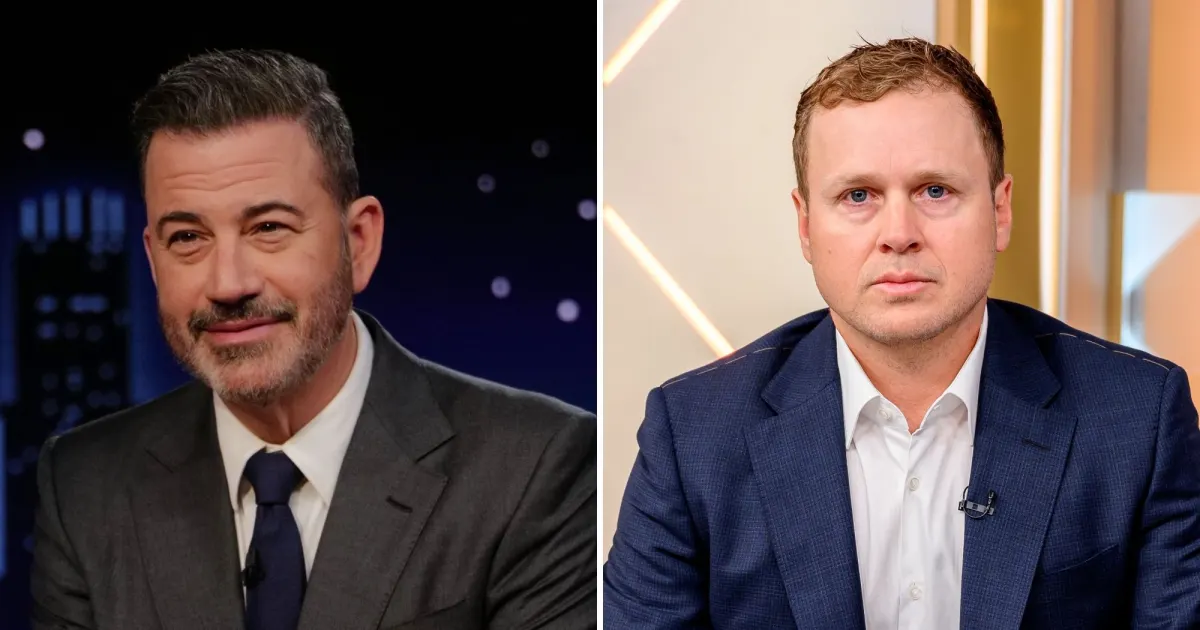
Observing this bizarre intersection of personal tragedy and political theater, late-night host Jimmy Kimmel felt compelled to step in and offer a reality check to his viewers. Devoting a major portion of his opening monologue on Jimmy Kimmel Live! to Pratt’s sudden political rise, the seasoned comedian delivered a critique that balanced genuine empathy for Pratt’s loss with sharp skepticism about his qualifications. Kimmel openly acknowledged that losing a home to a wildfire is an incredibly traumatic experience, and that Pratt’s anger toward the current state of the city is shared by countless ordinary families who feel abandoned by their local government. However, Kimmel argued that suffering a terrible personal loss does not miraculously endow someone with the complex administrative skills required to govern one of the largest and most complicated cities in the world. The host warned that the media spotlight is a dangerous drug, pointing out that because Pratt is moderately famous, his anger receives instant amplification on social media, creating a dangerous feedback loop where raw emotion is easily mistaken for political competence.
To illustrate the potential dangers of this movement, Kimmel drew a direct and sobering parallel between Spencer Pratt’s mayoral ambitions and Donald Trump’s historic transition from reality television to the White House. He unpacked the psychology of the “angry reality star”—individuals who grew up with immense privilege and fame, only to see their relevance fade as they aged, leaving them desperately hungry to regain the spotlight. Kimmel argued that just like Trump in 2015, Pratt is capitalizing on genuine public anger not because he has a passion for municipal zoning laws or city infrastructure, but because he craves the intoxicating rush of being center stage once again. The late-night host suggested that the campaign is essentially a elaborate promotional campaign masquerading as public service, designed to secure interviews, build social media engagement, and ultimately land a lucrative new reality television deal. By treating the highly complex office of the mayor as a mere stage, Kimmel warned that voters risk trivializing the very mechanisms of governance that keep their communities safe and functional.
To ground his arguments in practical terms, Kimmel shifted his focus from political theory to the stark, undeniable reality of financial management. The Mayor of Los Angeles is tasked with overseeing a massive annual budget of approximately $14 billion, a responsibility that demands deep fiscal discipline, strategic planning, and a proven track record of complex resource allocation. In stark contrast, Kimmel reminded his audience of Pratt and Montag’s legendary financial history, noting that the couple had previously admitted to blowing through a staggering $10 million fortune on an array of incredibly eccentric and frivolous purchases. Most famously, this included a massive collection of healing crystals that Pratt valued at around $1 million, a detail that Kimmel used to highlight the absurdity of the situation. The comedian dryly pointed out that a man whose primary business model consists of selling spiritual crystals on a website called “prattdaddy.com” is simply not the person who should be trusted with the economic future of a global metropolis, regardless of how relatable or entertaining his anger might seem on a television screen.
The timing of this political spectacle adds a layer of genuine urgency to the situation, as Los Angeles approaches a vital primary election on June 2nd. The city is currently facing a delicate transition period, with deep-seated struggles surrounding homelessness, public safety, and infrastructure, all while preparing to host the world for the upcoming Olympic Games. Kimmel made it clear to his audience that he understands the widespread frustration with the current mayor, Karen Bass, and that wanting a change in leadership is a healthy and necessary part of the democratic process. However, he pleaded with voters to seek out serious, experienced alternative candidates who are truly dedicated to public service, rather than throwing their support behind a protest candidate out of sheer spite. With poll numbers suggesting that Pratt has captured the interest of roughly 22% of the electorate, Kimmel emphasized that treating the mayoralty as an entry-level job or a joke is a luxury the city simply cannot afford during such a pivotal moment in its history.
Ultimately, the clash between Jimmy Kimmel and Spencer Pratt highlights a much larger, systemic crisis in modern culture, where the boundaries between entertainment, celebrity, and serious public policy have become dangerously blurred. When a society begins to prioritize the loudest, most charismatic voice over proven competence, they invite a style of leadership that excels at performative outrage but fails entirely at the quiet, difficult work of daily governance. The tragedy of the California wildfires serves as a stark reminder of the very real crises that require steady, experienced hands to manage. As voters prepare to head to the polls, the true test will be whether they can separate the comforting illusion of a sympathetic celebrity from the hard reality of what it takes to actually run a city, ensuring that the heavy responsibilities of public office are handed to those who want to solve problems rather than those who simply want to be back on television.