

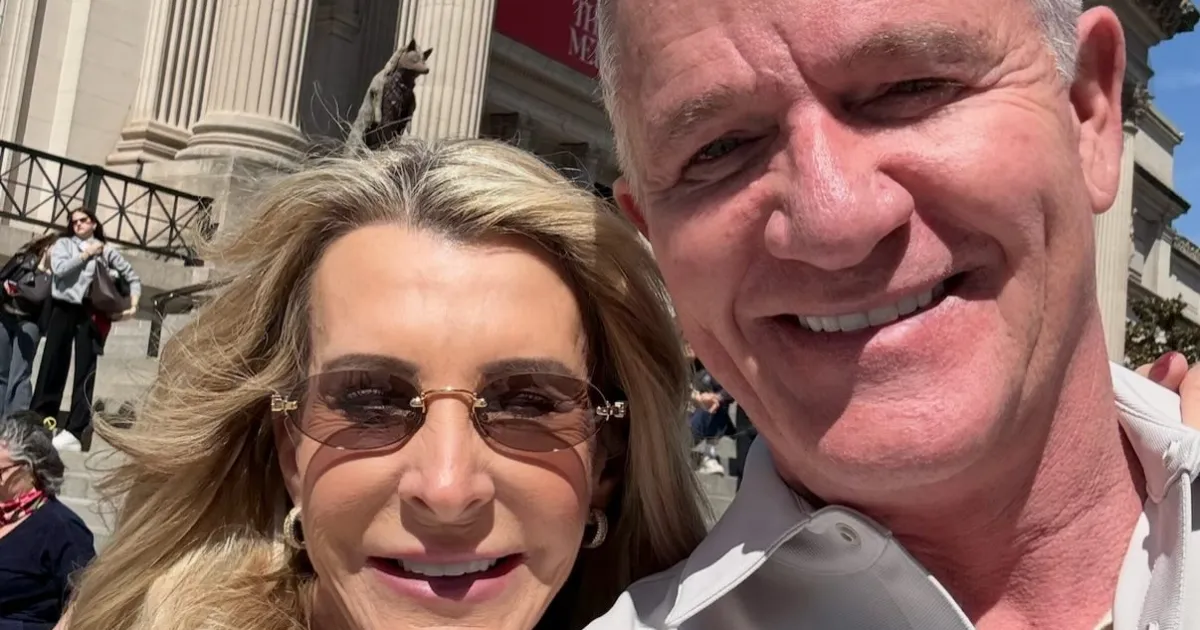
In a deeply personal and courageous reveal, Chock Chapple, the man who won the heart of Joan Vassos on the inaugural season of The Golden Bachelorette, has shared a harrowing health journey with the public. The 62-year-old insurance executive from Wichita, Kansas, announced that he recently underwent surgery to remove his prostate following an aggressive cancer scare. The news, which he delivered via an intimate Instagram video filmed alongside his fiancée, shines a light on a frightening chapter in their fairy-tale romance, transforming their narrative from one of late-in-life love to one of resilience, partnership, and the stark reality of mortality. With a candidness that has endeared him to fans of the show, Chapple detailed the sequence of events that led to his diagnosis, the difficult decision to undergo surgery, and the brutal yet hopeful recovery process, all while underscoring the critical importance of proactive health screenings for men.
The journey to this life-altering decision began not with a dramatic symptom, but with a simple, routine blood test taken after the whirlwind of filming the hit ABC reality series wrapped. Returning to normal life in Wichita, Chapple received a blood test that flagged an elevated PSA level—a prostate-specific antigen that can be an indicator of potential health issues, including cancer. What followed was a tense period of monitoring and further investigation, involving an initial biopsy, an MRI, and then a second biopsy to get a clearer picture of what was happening. The results were sobering; the initial concern had escalated, and the medical team delivered the frightening news that the issue had turned aggressive. For a man who had just found a new lease on life and love, the diagnosis was a jolt to the system, forcing him to confront his own fragility. The path forward was clear, albeit daunting: the most decisive course of action was to have his prostate removed, a major surgery that promised to be physically and emotionally taxing.
For Chapple, the decision, though monumental, was made with surprising clarity and speed, driven by the ghosts of the past and the promise of the future. In his announcement, he poignantly revealed that he had lost his mother to cancer, and that memory—the intimate knowledge of what the disease could take—weighed heavily on his mind. He knew all too well the stakes involved and the potential for a different, tragic outcome. The definitive push, however, came from a simple, profound question asked by his son, which reframed his entire perspective on the ordeal. His son asked him how much time he wanted to have with his grandchildren, a question that cut through any hesitation or fear. The answer was immediate and resolute. He wanted to be around for them, for his children, and for Joan, committing to the surgery as a means to secure a future he was determined to have. He poignantly stated that he wanted to be there for Joan “for the rest of her life,” a promise that required him to take the most aggressive path forward in the present.
The surgery, which took place on the Wednesday before his public announcement, was the beginning of a new, grueling challenge. Chapple was transparent about the severity of his recovery, admitting that it was one of the most difficult experiences he has ever endured. Describing it as “really rough” and “a little unique” compared to his previous surgeries, he did not sugarcoat the pain and discomfort that followed the procedure. However, amidst the physical struggle, a beautiful portrait of partnership emerged. Joan Vassos, who had been living in Maryland, was by his side in Wichita, transforming into his primary caregiver. Her presence was a source of immense comfort; she was there cooking for him, ensuring he ate well, and managing the household, even to the point of having the “cleanest refrigerator in the world” according to a smiling Chapple. Their dynamic showcased a reverse of the typical fairy-tale rescue, with their deep affection manifesting in the most practical and tender of ways: the simple acts of nourishment, presence, and unwavering support during a time of profound vulnerability.
Vassos, who is a mother of four herself, also shared her perspective in the video, adding a layer of warmth and humor to the somber update. With a mixture of admiration and affection, she called her fiancé a “brave guy,” before playfully revealing his more human side, noting that he acts like a baby when he has a cold. This lighthearted jab underscored the gravity of his current situation, as she marveled at his strength and stoicism throughout this ordeal. Her emotional core was laid bare as she expressed her profound relief and gratitude for his decision. “He’s super brave for this one and I’m glad he made the decision that he made,” she said, her voice carrying the weight of her fear and relief. “I want to keep him around for the rest of my life.” Her words were a powerful testament to their bond, forged in the public eye but solidified in the private, difficult moments of real life.
As Chapple begins to recover, the couple is setting their sights on the future, a future they almost weren’t guaranteed. With his doctor’s clearance, their previously planned trip to Europe for the end of August is still on the calendar, serving as a powerful symbol of hope, celebration, and a return to normalcy. This milestone, once clouded by uncertainty, now feels like a victorious next chapter. Chapple is focused on regaining his strength, with a goal to put twenty pounds back onto his frame, and is looking forward to sharing new adventures with his fiancée. Their love story, which blossomed on a reality show, has now been tested in the most real of ways, and they have emerged from the trial with an even deeper appreciation for their time together. In sharing his story, Chapple has delivered a crucial public health message, urging other men, particularly those in similar age groups, to get their PSA levels checked. His message is clear: early detection is everything. By turning his personal trauma into a platform for awareness, he is demonstrating the same courage that guided him through his diagnosis, proving that vulnerability and resilience can coexist, and that the greatest love story is often the one that survives the hardest truths.