





As the annual frenzy of Prime Day sweeps across the internet, coaxing us to upgrade our smart home devices or hoard household essentials, it is easy to overlook the quiet, enduring value of Amazon’s digital ecosystem: Prime Video. While the platform boasts a massive library that often leaves subscribers paralyzed by the paradox of choice, its true strength lies in its ability to house an eclectic, sometimes bizarre, but thoroughly entertaining mix of cinematic history. This summer, the streaming service has curated a particularly compelling roster of newly added titles that demand your attention. Whether you are in the mood for the heart-pounding terror of a modern survival game, the high-stakes friction of a late-90s political action blockbuster, or the lush, operatic tragedy of a Golden Age musical masterpiece, these selections offer the perfect antidote to endless scrolling. By leaning into different eras, genres, and cinematic languages, our top recommendations for this season—the terrifying puzzles of Escape Room, the star-studded chase of The Jackal, and the unmatched theatrical brilliance of the original West Side Story—prove that the best content on Prime doesn’t come in a brown cardboard box, but through your television screen.
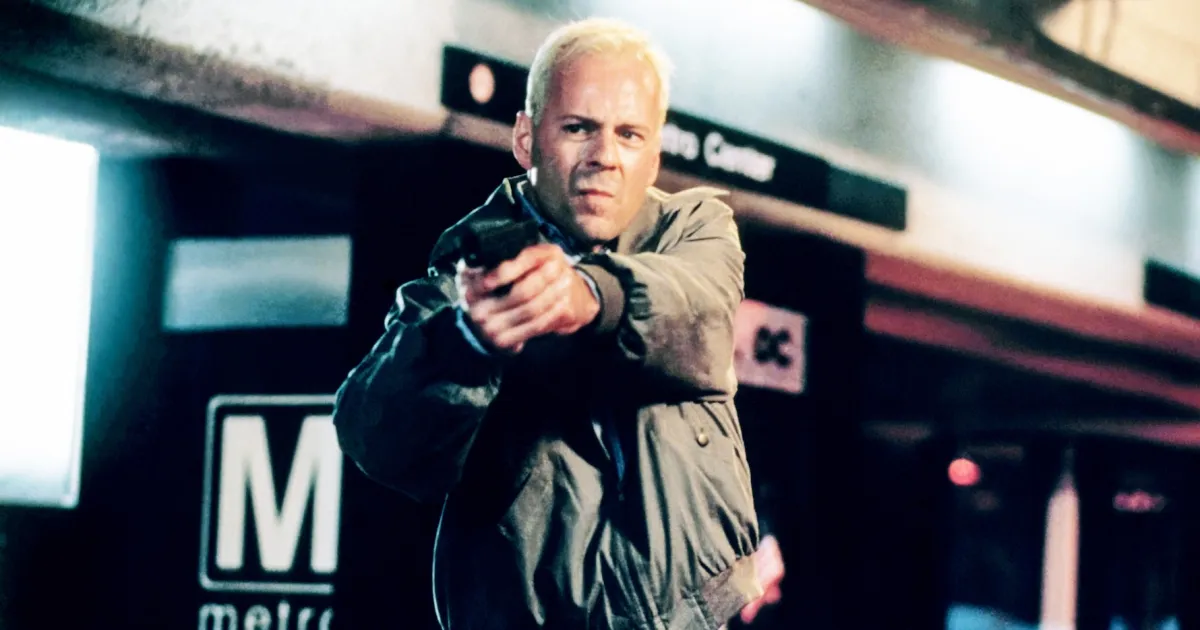
For those who crave the nostalgic, high-testosterone energy of late-twentieth-century cinema, The Jackal (1997) serves up a delightfully chaotic slice of action-thriller history. Nominally a loose remake of Fred Zinnemann’s critically acclaimed 1973 political procedural The Day of the Jackal, this version happily strips away the quiet, meticulous bureaucracy of its predecessor in favor of explosive set pieces and sheer star power. Bruce Willis stars as the elusive, title-coded assassin—a master of disguise who is hired by the Russian mob to execute an incredibly high-profile American target. Desperate to stop a phantom they cannot see, the FBI takes a massive gamble by recruiting Declan Mulqueen, a former IRA sniper played by Richard Gere, who is currently wasting away in a maximum-security prison but possesses a highly personal history with the Jackal. What follows is a globe-trotting game of cat-and-mouse that succeeds despite, or perhaps because of, its glorious absurdities. While the film demands a healthy suspension of disbelief—most notably regarding Richard Gere’s deeply earnest but undeniably questionable Irish brogue—it is anchored by Willis’s genuinely chilling, chameleonic performance and a legendary supporting cast that includes Sidney Poitier in one of his final film roles and a young J.K. Simmons. It is a wonderfully kinetic, unapologetic popcorn movie that reminds us of a bygone era when star power and a relentless pace were all you needed to carry a thriller.
If your tastes lean more toward claustrophobic dread and psychological tension, the 2019 sleeper hit Escape Room offers an incredibly fun, high-stakes ride that taps directly into our modern obsession with experiential parlor games. The premise is deceptively simple and instantly engaging: six strangers from completely different walks of life are invited to participate in an exclusive, highly advanced escape room competition with a tempting $10,000 cash prize waiting at the finish line. However, once the steel doors lock behind them, they quickly realize that the elaborate rooms are not just testing their puzzle-solving abilities, but are actively trying to kill them. Drawing obvious thematic inspiration from the Saw franchise and cult classics like Cube, director Adam Robitel elevates the film above generic torture-porn by focusing on highly imaginative, visually stunning production design rather than pure, mindless gore. From an upscale waiting room that slowly morphs into a giant, blazing convection oven to a mind-bending, upside-down billiards hall suspended over an endless elevator shaft, each chamber is a marvel of practical and digital effects that keeps the audience guessing. It is a tightly paced, thrilling ride that knows exactly what it wants to be, making it the ultimate guilty-pleasure watch for a dark Friday night.
Stepping away from the adrenaline-fueled tension of modern thrillers, Prime Video also invites viewers to revisit what is arguably one of the greatest achievements in the history of American filmmaking: the 1961 cinematic adaptation of West Side Story. Based on the legendary 1957 Broadway musical, which itself was a bold, mid-century reimagining of Shakespeare’s Romeo and Juliet, this film transposes the tragic romance of star-crossed lovers to the concrete battlefields of New York City’s Upper West Side. Here, the warring factions are not noble Italian houses, but two fiercely territorial street gangs: the Jets, a group of working-class white youths, and the Sharks, a faction of newly arrived Puerto Rican immigrants. When Tony, a handsome co-founder of the Jets who has grown weary of the streets, locks eyes with Maria, the sister of the Sharks’ fiery leader, an instant and forbidden love ignites. Their passionate connection sets off a destructive chain reaction of violence, pride, and prejudice that neither side can stop. Even though Steven Spielberg mounted a technically dazzling, highly respectful remake of the property in 2021, the 1961 original directed by Robert Wise and Jerome Robbins possesses a raw, theatrical magic and a colorful vibrancy that has never been duplicated, remaining an unrivaled pinnacle of the celluloid musical.
What truly transforms West Side Story from a simple stage adaptation into a timeless monument of cinema is the sheer, kinetic poetry of its execution. Unlike many classic Hollywood musicals of its era, which often felt static, heavily stagey, and restricted by indoor studio sets, this film bursts off the screen with an astonishing sense of kinetic movement and urban scale. Co-director and choreographer Jerome Robbins pushed his dancers to the absolute limit, blending classical ballet with jazz, modern street posture, and athletic acrobatics to turn physical violence into a beautiful, heartbreaking dance. When these gang members fight, leap, and sprint across the dirty asphalt of Manhattan, their movements feel remarkably modern, urgent, and emotionally expressive. This physical artistry is paired with a legendary soundtrack composed by Leonard Bernstein, with lyrics by a young Stephen Sondheim, featuring timeless compositions like “Tonight,” “Maria,” “America,” and “Somewhere.” These songs do not merely pause the narrative for a musical interlude; they act as the very heartbeat of the characters, expressing deep-seated yearning, cultural frustration, and a desperate hope for a world free of hatred. It is a film that demands to be watched on the largest screen available, preserving its status as a masterpiece that is just as relevant and emotionally devastating today as it was over sixty years ago.
Ultimately, this trio of titles highlights the incredible diversity of storytelling that can be discovered on Prime Video if you are willing to look past the heavily promoted, algorithm-driven suggestions on your home screen. Movie nights are at their best when they surprise us, and there is a brilliant, chaotic joy in transitioning from the polished, globe-trotting action of The Jackal, to the sweaty-palmed, popcorn-munching suspense of Escape Room, and finally to the emotional, operatic heights of West Side Story. Each of these films represents a different facet of what makes cinema such an enduring, unifying medium—our human desire to be thrilled, to be scared, and to be deeply moved by beauty and tragedy. So, as you navigate the digital landscape during this shopping season, take a moment to step away from the retail deals, dim the living room lights, and treat yourself to a truly exceptional cinematic journey. After all, the best stories are the ones that stay with us long after the credits roll, proving that real value isn’t measured in discounts, but in the unforgettable memories created by great cinema.