







In the fast-paced landscape of modern digital entertainment, finding a streaming platform that consistently balances the frantic energy of contemporary cinema with the comforting, deeply rooted foundations of cinematic history can feel like a rare luxury. Fortunately, Hulu continues to establish itself as a nurturing sanctuary for cinephiles and casual viewers alike, offering a thoughtfully curated digital library that caters to a diverse spectrum of human emotions. Whether you are seeking a lighthearted escape from the mundane demands of adulthood, a high-stakes adventure driven by the seductive thrill of reinvention, or a quiet, introspective journey into the devastating beauty of unexpressed love, the platform’s latest additions have you covered. This week, the streaming service has expanded its catalog to include three remarkably distinct films that, despite their vastly different eras and tones, all speak to the universal complexities of human nature, identity, and the passage of time. From the absurd, nostalgic chaos of the newly premiered high school comedy Never Change!, to Steven Spielberg’s delightfully sleek and kinetic biographical caper Catch Me If You Can, and finally to the devastatingly elegant, Oscar-nominated masterwork The Remains of the Day, these selections remind us of the unique power that cinema holds to reflect our deepest vulnerabilities, our greatest regrets, and our enduring desire for connection. Together, they create a rich tapestry of experiences that invite us to step away from the distractions of our daily routines, dim the lights, and immerse ourselves in stories that linger in our minds long after the final credits have rolled.
For many of us, the nagging anxiety of returning to the terrifying hallways of our high school years is not just a passing thought, but a recurring, sweat-inducing nightmare that haunts our sleep long after we have established ourselves in the adult world. It is precisely this universal, deeply relatable throat-tightening dread that serves as the brilliant comedic catalyst for Never Change!, a fresh, hilariously erratic comedy that recently made a splash at the Tribeca Film Festival and has now arrived on Hulu to tickle our collective funny bones. The narrative transports us back to the year 2008, when a devastating tornado tore through the community of North Meadows, abruptly leveling North Meadows High School and cutting short the final two weeks of the senior year for Sunny, played with a charmingly anxious energy by John Reynolds, and Katie, portrayed with sharp wit by Sofia Black-D’Elia. Fast forward nearly two decades later, and this group of now-grown adults is hit with a bureaucratic bombshell: due to a clerical oversight, they must return to their old stomping grounds to complete those missing final two weeks of high school, or risk having their diplomas retroactively rescinded. What follows is a gloriously chaotic descent into arrested development, as a group of thirty-something adults is forced to squeeze their fully grown bodies into tiny school desks and navigate the agonizing social politics of teenage life all over again. While the premise is undeniably ridiculous, director and writer utilize this absurdist conceit to mine a goldmine of cringe comedy, complete with boundary-pushing jokes, satirical commentary on modern school systems, and a deliciously bizarre subplot involving a high school theater production directed by a hilariously unhinged Topher Grace wearing a spectacularly hideous wig. The film proudly wears its lowbrow, anarchic sensibilities on its sleeve, operating with the same kind of hyper-stylized, self-aware humor that made cult classics like Wet Hot American Summer so beloved. While some of the more extreme, envelope-pushing gags admittedly fall flat, resulting in the occasional groan-worthy moment, the sheer density of the jokes and the infectious chemistry of the cast ensure that Never Change! remains a highly entertaining, thoroughly humanizing journey through our shared teenage anxieties.
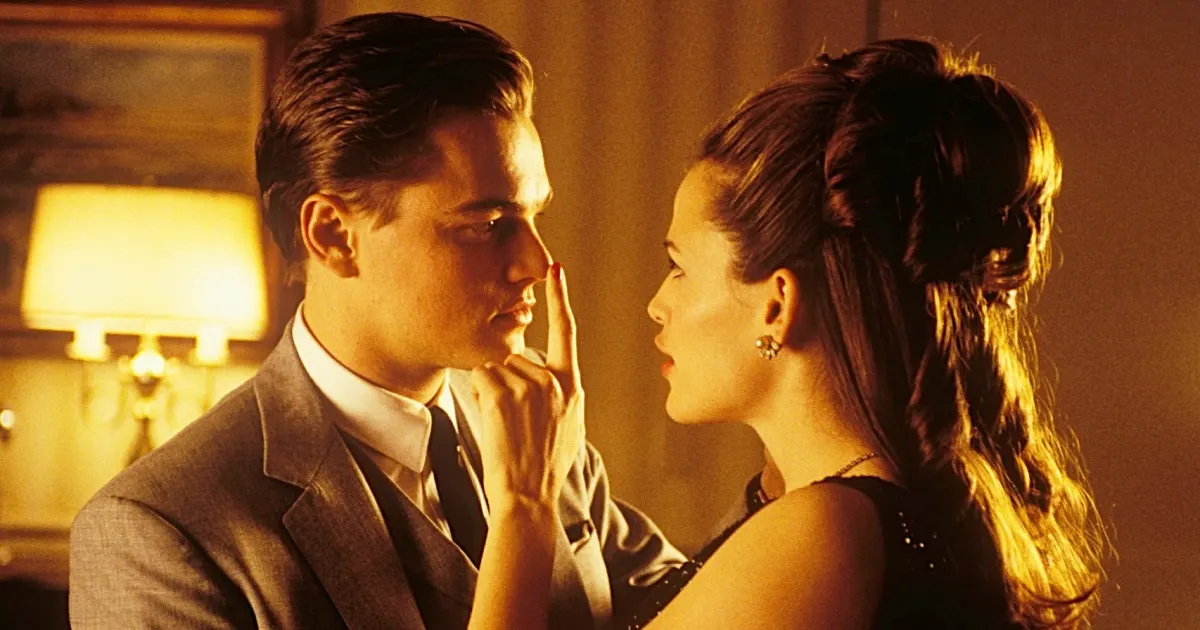
If the awkward, hormone-fueled corridors of high school represent a nightmare we wish to escape, the seductive, jet-setting world of Steven Spielberg’s 2002 masterpiece Catch Me If You Can represents the ultimate fantasy of reinvention. Based on the legendary, though now largely debunked, 1980 autobiography of Frank Abagnale Jr., the film stars a peak-era Leonardo DiCaprio as a charismatic, silver-tongued teenager who, when faced with the devastating dissolution of his parents’ marriage, flees his broken home and embark on one of the most audacious conning sprees in American history. Throughout the turbulent decade of the 1960s, young Frank painlessly assumes a dazzling array of identities, transforming himself from a high school student into a glamorous Pan Am co-pilot, a brilliant pediatrician, and a sophisticated prosecuting attorney, all while accumulating millions of dollars in forged checks. Yet, beneath the polished, effortless facade of Frank’s high-flying lifestyle lies a deeply wounded, intensely lonely child who is desperately running from his own grief, using his brilliant masquerades as a shield to protect himself from a world that has broken his heart. Hot on his heels is Carl Hanratty, portrayed with a brilliant, weary determination by Tom Hanks, a meticulous, straight-laced FBI agent who becomes utterly obsessed with bringing the elusive young trickster to justice. What begins as a classic, high-stakes game of cat-and-mouse slowly and beautifully evolves into a complex psychological study of two deeply lonely men who find in each other a strange, unexpected form of companionship and mutual respect. Spielberg masterfully balances the thriller aspects of the chase with a profound emotional core, illustrating how Carl, despite his frustration, begins to feel a paternal instinct toward the young fugitive, recognizing that Frank’s brilliant crimes are ultimately a tragic cry for help from a boy who simply wants his family back.
Beyond its emotionally resonant narrative, Catch Me If You Can stands as a breathtaking monument to the sheer joy of collaborative Hollywood filmmaking at its absolute zenith, offering a cinematic experience that feels as warm, inviting, and exhilarating today as it did over two decades ago. Steven Spielberg, a director historically celebrated for his ground-breaking, big-budget spectacles and heavy, historical dramas, has rarely operated with such a light, breezy, and effortlessly sophisticated touch as he does here, directing the film with a kinetic energy that mimics the quick-witted intellect of its protagonist. This infectious enthusiasm is mirrored perfectly in the performances of DiCaprio and Hanks, who play off one another with the sparkling chemistry of seasoned stage performers, executing their pursuit with a playful, almost childlike glee that keeps the audience constantly grinning. The film is further elevated by its immaculate period detail, transporting viewers into a sun-drenched, technicolor vision of the 1960s that feels incredibly vivid and nostalgic. This visual feast is wrapped in the gorgeous, jazzy, Oscar-nominated library music score composed by the legendary John Williams, whose sultry, finger-snapping melodies perfectly capture the sleek, retro-cool atmosphere of the era. Furthermore, the film is anchored by a heartbreaking, career-defining supporting performance by Christopher Walken as Frank’s father, a proud but tragically ruined domestic dreamer whose slow, agonizing decline into obscurity serves as the emotional gravity of the entire story. It is research-proven that the real-life exploits of Abagnale Jr. were heavily mythologized, but in Spielberg’s hands, the literal truth of the events becomes secondary to the deeper, emotional truth of the characters, delivering an cinematic gift that continues to charm and move audiences with every single viewing.
In stark contrast to the high-flying, fast-talking escapades of Frank Abagnale Jr., the quiet, deeply internalized world of James Ivory’s 1993 masterpiece The Remains of the Day offers a profoundly moving exploration of a man who chose to run, not toward a life of limitless identities, but into a life of absolute self-effacement. Set against the aristocratic backdrop of 1930s Great Britain, this exquisite adaptation of Kazuo Ishiguro’s Booker Prize-winning novel invites us into the meticulously ordered universe of Darlington Hall, where head butler James Stevens, portrayed with a shattering, career-defining restraint by Anthony Hopkins, reigns supreme over a staff of house servants. Stevens is a man who has entirely surrendered his humanity, his passions, and his personal identity to the altar of professional duty, believing that the ultimate measure of a butler is to remain entirely invisible, unflappable, and devoid of personal opinion. However, this carefully constructed armor of professional perfection is deeply challenged by the arrival of Sally Kenton, a warm, spirited, and intensely observant young housekeeper brought to life with a luminous, fiercely intelligent performance by Emma Thompson. As the two work side-by-side to manage the sprawling estate, an undeniable, magnetic connection begins to blossom between them, characterized not by grand declarations, but by a delicate dance of repressed emotions, heavy silences, pregnant pauses, and stolen glances that speak volumes about the burning passion hidden beneath their formal exteriors. Miss Kenton’s warmth serves as a constant, gentle invitation for Stevens to step out of his emotional fortress and embrace the vulnerability of being loved, sparking a quiet, agonizing domestic tension that hangs heavily over every interaction.
Ultimately, The Remains of the Day is a devastatingly beautiful tragedy about the high cost of emotional self-censorship, serving as a timeless, urgent warning to anyone who has ever sacrificed their personal happiness on the altar of professional ambition or social expectation. Anthony Hopkins delivers what is arguably the most brilliant, hauntingly subtle performance of his storied career, portraying a man who is so paralyzed by the concept of propriety that he cannot even allow himself to grieve his father’s death or admit his love for the woman standing right in front of him. Through Hopkins’ incredibly nuanced facial expressions and rigid posture, we witness the quiet, internal collapse of a human soul that has chosen to turn away from life’s greatest joys in service of an aristocratic master who, in his blind political ignorance, actively colludes with the Nazi regime. The film captures a pivotal, fading moment in British history where the rigid class structures of the past began to crumble, leaving loyal servants like Stevens stranded in a world that no longer had a place for their heartbreaking self-sacrifice. By the time the final, beautifully composed shots of the film fade to black, we are left with a lingering, melancholic understanding of the tragedy of a life half-lived, making The Remains of the Day an incredibly profound and emotionally resonant masterpiece. When viewed alongside the nostalgic laughter of Never Change! and the exhilarating chase of Catch Me If You Can, this quiet drama completes a perfect cinematic trinity on Hulu, reminding us that whether we laugh at our past, run from our present, or hide from our feelings, the stories we watch have an extraordinary ability to help us understand what it truly means to be human.