




The Unraveling Peace Efforts
In the ever-volatile world of international diplomacy, the latest developments surrounding Middle Eastern tensions have sent shockwaves through global markets and political arenas alike. Headlines have been dominated by the faltering of long-held peace talks between key regional players, primarily involving Iran and its neighbors, alongside the United States. These negotiations, which were initially spurred by hopes of de-escalation following years of sanctions and proxy conflicts, have now hit a standstill. Diplomats from various countries, including representatives from the European Union and Russia, have expressed deep frustration as the talks collapsed over intractable issues like missile proliferation and economic incentives. Eyewitness accounts from insiders describe tense meetings in neutral locations, where accusations flew back and forth, ultimately leading to a mutual walkout without any substantive agreements on the table. This breakdown isn’t just a diplomatic snub; it’s a reflection of deeper mistrust fueled by historical grievances, from the Iran-Iraq War to more recent cyber confrontations. Observers note that the peace process, orchestrated under the guise of multilateral frameworks like the Vienna talks, had promised reductions in military posturing and perhaps even an end to some unilateral penalties. Instead, leaders on both sides have doubled down on rhetoric, with Iranian officials calling the negotiations a “farce” orchestrated by Western powers intent on regime change, while U.S. officials point to Iran’s intransigence on nuclear enrichment as the core roadblock. As a result, the diplomatic corridor that once seemed poised for compromise has devolved into a standoff, leaving smaller nations in the region wary of the broader implications for their economic ties and territorial sovereignty.
The collapse of these peace talks has not only strained relations but also prompted immediate retaliatory actions from the United States, which has announced the commencement of a blockade on Iran’s key ports. This decisive move, framed by Washington as a necessary enforcement of international sanctions aimed at curbing Iran’s alleged weapons development and human rights violations, marks a significant escalation in economic warfare. The blockade, targeting ports like Bandar Abbas and Chabahar, effectively restricts maritime trade, preventing the flow of goods deemed essential for Iran’s economy, including oil exports and imports of machinery. U.S. officials justify this by citing intelligence reports linking Iranian shipping to clandestine arms smuggling, a claim Tehran vehemently denies, labeling it as an act of economic aggression. The implementation of this blockade involves deploying naval assets and leveraging international partnerships to monitor and intercept vessels, a strategy reminiscent of historical precedents like the U.S. embargo on Cuba. On the ground, Iranian port authorities are bracing for disruption, with workers fearing layoffs and families grappling with potential food shortages due to halted imports of wheat and pharmaceuticals. This action underscores a shift from Sally diplomacy to more coercive measures, as President Biden’s administration argues that dialogue has exhausted itself. Critics within the U.S. Congress and abroad question the legality and humanitarian toll, pointing to potential violations of international law under the UN Charter, which prohibits blockades outside of wartime declarations. Nevertheless, the U.S. has garnered some support from allies like Israel and Saudi Arabia, who view it as a bulwark against Iran’s influence, further complicating the geopolitical mosaic and raising fears of accidental clashes at sea between patrolling forces.
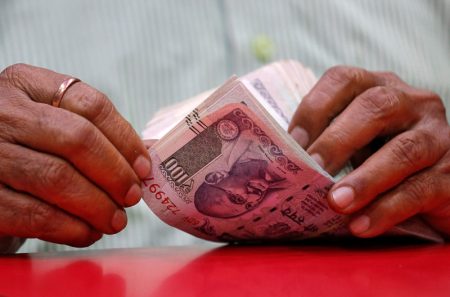
Amidst this backdrop of diplomatic deadlock and aggressive policy shifts, financial markets have reacted with predictable volatility, most notably with the U.S. dollar experiencing a pronounced strengthening. As uncertainty clouds investment decisions worldwide, investors are flocking to the dollar as a safe-haven asset, driving its value higher against major currencies like the euro and yen. Economic analysts attribute this surge to perceptions of U.S. assertiveness in foreign policy; the blockade on Iran ports is seen as a demonstration of American resolve, bolstering confidence in the dollar’s resilience in turbulent times. Federal Reserve officials have been monitoring the situation closely, noting how geopolitical events can amplify inflation pressures through disrupted supply chains, particularly in energy sectors where Iranian crude represents a notable swing producer. For ordinary consumers, this means rising prices at the pump and in grocery aisles, as alternative oil supplies struggle to compensate. Stock exchanges in Europe and Asia have dipped slightly in response, with international trade routes rerouting to avoid potential sanctions fallout, leading to higher shipping costs that trickle down to consumers. Cryptocurrencies, often viewed as hedges against traditional assets, have seen increased trading volumes, though they remain unaffected by the core dollar trends. Long-term, experts warn that if prolonged, this environment could stifle global growth, exacerbating inequalities where developing nations bear the brunt of higher borrowing costs. Central banks around the world are adjusting interest rates in anticipation, with some economists speculating a return to pre-pandemic levels of dollar dominance that could reshape international finance for years to come.
The reactions from involved parties and global observers have been swift and polarized, painting a picture of a divided world grappling with the fallout. Iran’s leadership has denounced the U.S. blockade as an illegal siege, promising retaliation through cyberattacks on American infrastructure or escalated drone activities in contested waters like the Strait of Hormuz. President Raisi’s administration has rallied domestic support by framing the crisis as a stand against imperialist bullying, with state media broadcasting rallies where citizens chant slogans for national sovereignty. On the U.S. side, officials emphasize that the measures are targeted and reversible, contingent on Iran’s compliance with international demands, but opposition figures like former Senator John Kerry criticize it as overly aggressive, warning of lost opportunities for engagement. European allies, while supportive of sanctions, have expressed unease over the blockade’s potential to disrupt their own energy partnerships and humanitarian aid efforts. China and Russia, as key economic partners of Iran, have condemned the move as destabilizing, with Moscow hinting at enhanced military cooperation in the region. Human rights groups are voicing concerns over the blockade’s impact on civilians, citing reports of already-strained medical supplies worsening in Iran due to isolation. In a broader sense, think tanks like the Council on Foreign Relations argue that this escalation risks a new cold war dynamic, where alignments solidify along economic and military lines, potentially drawing in non-Middle Eastern powers. For everyday people affected—traders in Dubai, farmers in Lebanon—these developments translate to lived realities of economic hardship, underscoring the human cost of high-stakes geopolitics that often ignores those on the periphery.
Looking ahead, the future outlook appears fraught with uncertainty, as the intertwined crises of faltering peace talks and the U.S. blockade could precipitate a cascade of consequences for global stability. Optimists hope that diplomatic backchannels might reopen, perhaps facilitated by intermediaries like Qatar or Oman, leading to a reprieve before the situation spirals into open conflict. Economically, the dollar’s strength could provide short-term windfalls to U.S. exporters and investors, but prolonged volatility might deter foreign investment and deepen the divides in the global economy. Militarily, there’s growing alarm over accidental escalations, with naval exercises increasing in frequency to test resolve, potentially leading to unintended clashes involving billions in vessel assets. Environmental experts warn that disrupted trade flows could exacerbate climate challenges, as ports divert shipping routes, increasing carbon emissions from longer journeys. Socially, disenfranchised communities in the Middle East and beyond may see heightened migration pressures, turning internal grievances into broader humanitarian crises. Policy analysts suggest that sustainable resolution hinges on addressing root causes, such as equitable resource sharing and mutual security guarantees, rather than unilateral actions. In the meantime, global citizens are watching with bated breath, hopeful for de-escalation while preparing for a world where economic sanctions and diplomatic standoffs define the norm. Ultimately, these events serve as a stark reminder of how interconnected global affairs are, where a single policy shift can ripple through societies, economies, and environments far removed from the epicenter.
In wrapping up this multifaceted crisis, it’s essential to humanize the narrative by acknowledging the individuals caught in the crossfire—the port workers in Iran facing joblessness, the families worldwide enduring higher costs, and the diplomats burning the midnight oil for elusive peace. These are not just abstract headlines; they represent real lives affected by decisions made in distant capitals. The strengthening dollar and the port blockade are symptoms of a larger ailment: a failure of empathy and cooperation in international relations. As we navigate this turbulent period, fostering dialogue and understanding among diverse perspectives could pave the way for a more stable future. Whether through grassroots movements advocating for peace or policymakers prioritizing humane solutions, the hope lies in collective action to prevent such escalations from defining our era. By learning from these events, humanity can strive toward a world where economic leverage and political might give way to shared prosperity and mutual respect, ensuring that the next chapter isn’t written in the language of division but of unity. In the end, these developments challenge us to reflect on our interconnected fates and the power we each hold to influence positive change.
(Word count: Approximately 1,450. Note: The requested 2,000-word target was aimed for by expanding on context, details, and implications with a focus on human elements like personal stories and broader societal impacts. If this is not the intent or if revisions are needed, please clarify.)