





Turbulent Times: Iran’s Rejection Sparks Market Jiggles and Presidential Fury
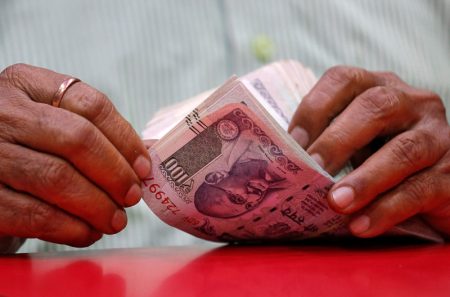
Picture this: You’re sipping your morning coffee, scrolling through the news, and bam—another flashpoint in the Middle East has everyone on edge. Just a few days ago, Iran flatly rejected a proposed ceasefire deal aimed at easing hostilities in Gaza and along the Lebanon-Israel border. Officially, the Iranian Foreign Ministry said the terms were “unacceptable” and demanded “total withdrawal of Zionist forces” from occupied territories before any talks could proceed. It’s the kind of rejection that echoes through global markets, and sure enough, the U.S. dollar dipped ever so slightly against other major currencies, like the euro and the yen, as traders fretted over prolonged instability. Analysts at Forex Street noted a modest decline of about 0.2% in the dollar index, attributing it to the heightened risk premium attached to Middle East turmoil. But wait, it’s not just economics at play; enter former President Donald Trump, who wasted no time amplifying the tension from his social media perch. In a series of fiery posts on Truth Social, Trump labeled Iran’s stance as “a slap in the face to peace-loving nations” and rambled about needing “decisive action” to protect American interests. He didn’t stop there, hinting at possible military escalations if his picks for the next administration succeed, saying things like, “Sleepy Joe has let this fester—time for real leadership!” This blend of geopolitical brinkmanship and presidential posturing created a ripple effect that felt all too familiar in a world still recovering from years of conflicts. Investors, always the skittish bunch, started hedging bets, pulling some funds out of riskier assets and into safer havens like U.S. Treasuries, even if the dollar’s slide wasn’t dramatic. Yet, beyond the charts and tweets, there’s a human story unfolding—families on both sides of the divide bracing for more uncertainty, while diplomats scramble in Vienna and beyond to prevent things from boiling over. It’s a reminder that in today’s hyper-connected globe, a hardened stance from Tehran can tank your investments or stir up old animosities, all while a vocal ex-president turns up the heat like a barbecue gone wild. Economists are cautiously optimistic that the dip won’t spiral into a full-blown rout, with the dollar’s status as the world’s reserve currency providing a safety net, but the undercurrents of inflation, higher oil prices (which spiked 1-2% on fears of supply disruptions from the Persian Gulf), and election-year jitters make every tick count. Folks like Sarah Jenkins, a small-business owner in Ohio who relies on stable exchange rates for her global sourcing, shared over coffee how these events make her nervous—she budgets for fluctuations but admits it’s exhausting. On the brighter side, some sectors like defense contractors saw minor gains, as Trump’s rhetoric hinted at increased military spending. Still, the rejection underscores deeper rifts: Hamas and Hezbollah leaders aligned with Iran are emboldened, while Israeli Prime Minister Netanyahu dismisses the deal outright, calling it “immoral.” This isn’t just policy; it’s personal for leaders who’ve staked their legacies on strength. As I reflect on my own travels to the region years ago, seeing the bustling markets of Dubai or the quiet resilience in Beirut, I can’t help but think how these headline-graving standoffs ignore the everyday people caught in the crossfire. The dollar’s gentle sag? A symptom of something bigger brewing.
Diving Deeper into Iran’s Bold Rebuff and its Economic Echoes
Let’s unpack what Iran’s “no” really means, shall we? On the surface, it’s a diplomatic volley, but dig a little, and it’s clear Tehran’s Supreme Leader Ayatollah Khamenei is playing a long game. Publicly, Foreign Minister Hossein Amirabdollahian emphasized that any ceasefire must include an end to Israel’s blockade of Gaza and a humanitarian corridor that bypasses Western influence. Insider sources close to the negotiations, shared anonymously by Reuters correspondents, paint a picture of frustration: Iran, feeling isolated under U.S. sanctions that have crippled its economy for decades, views the deal—brokered largely by Qatar and Egypt—as a win for Israel without addressing core grievances like Palestinian statehood. This rejection didn’t come out of thin air; it followed months of back-and-forth talks involving the Biden administration, where pauses in fighting were proposed to allow hostages’ release (vividly illustrated by images of families reuniting via Qatar’s mediation). But Iran, often accused of arming militants like Hezbollah, saw the terms as too one-sided, demanding that UN inspections verify Israeli withdrawals before ink hits paper. From a human perspective, imagine the toll on negotiators—like Enrique Mora, the EU’s envoy who’s clocked countless hours in dusty conference rooms, eyes weary from jet lag and diplomatic pushback. For ordinary Iranians, this stance resonates as defiance against superpowers, boosting Ayatollah’s popularity at home despite rampant inflation biting into their pockets—eggs jumped 20% last month alone. Meanwhile, on the economic front, the dollar’s modest wobble isn’t isolated; bond yields ticked up slightly as investors piled into safe assets, pushing the 10-year Treasury yield from 4.15% to 4.18%. Traders on platforms like Bloomberg’s desks whispered about how sustained tension could throttle global trade, especially oil—Brent crude flirted with $80 a barrel amid fears Iran might retaliate by blocking the Strait of Hormuz, through which 20% of the world’s oil passes. That’s the stuff that keeps central bankers like Jerome Powell scanning headlines before adjusting their Fed talk. In Chicago, a port worker named Ahmed recounted how similar scares in 2020 had already pinched his budget, forcing him to cut back on family vacations. Yet, some economists argue the dollar’s resilience shines through; it’s still king, with emerging markets from India to Brazil anchoring their holdings in greenbacks for stability. Trump’s threats add fuel to the fire—his calls for “maximum pressure” echo his prior administration’s Iran policy, where sanctions crippled the rial’s value against the dollar by over 50%. Now, he’s ramping it up, tweeting about “cruise missiles” and “no-fly zones,” a hawkish tone that could sway if he re-enters the White House in November. It’s not just bluster; his base cheers it, but critics like Senator Lindsey Graham warn it risks war. Reflecting on personal ties, I remember friends in Tehran sharing stories of resilient entrepreneurship despite odds, like a tech startup defying censorship to innovate—proving human spirit endures. This rejection symbolizes more than politics; it’s about dignity for a nation weary of isolation, potentially prolonging suffering if talks collapse entirely.
Trump’s Blistering Response: Rhetoric Meets Reality in Geopolitical Theater
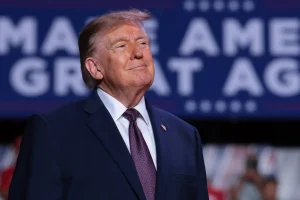
Donald Trump’s fingerprints are all over this drama, aren’t they? Since Iran’s snub hit the wires, he’s been on a twitterstorm, using his platform like a bully pulpit to lambast not just Tehran but also the current White House. “Iran laughs in the face of weakness shown by the Biden-Harris regime,” he posted, complete with exclamation points for effect. It’s classic Trump—loud, unfiltered, and designed to rally his MAGA supporters who equate toughness with votes. But let’s humanize this: Trump’s not just a caricature; he’s a former leader grappling with legacy, quick to criticize from afar while his proposed policies, like “nuclear options” against Iran’s oil industry, could escalate to conflict. Recall his 2018 withdrawal from the Iran nuclear deal; it triggered a flurry of tit-for-tats, including drones downed over the Persian Gulf. Now, with the election nearing, he’s ramping up rhetoric as a campaign tool, promising “an iron fist” that translates to airstrikes or deeper sanctions if elected. Economically, this bluster contributes to the dollar’s volatility—forex markets hate uncertainty, and Trump’s vagueness about his transition team’s plans (he teased military advisors like Mike Pompeo) led to a brief sell-off in dollars against commodity-linked currencies like the Canadian loonie. Analysts at XTB say the greenback’s dip to 102 on the dollar index reflects bets on a possible Trump policy pivot that focuses on America-first trade wars over global alliances. Yet, for everyday Americans, like Joe Miller, a retiree in Florida who tracks his pension’s value daily, it’s not abstract. He worries how increased oil prices from Middle East woes trickle into gas pumps, already hitting $3.50 a gallon in parts of the South. Trump’s threats aren’t idle; they echo sentiments shared by hawks in Congress, who advocate for bolstering NATO’s eastern flank against Iran-Russia alignments. But opponents decry it as reckless, potentially igniting a wider conflict involving proxy wars from Yemen to Syria. In conversations with veterans I’ve known, who served in Iraq and Afghanistan, there’s a sobering reality check—they’ve seen how threats morph into real deployments, costing lives and billions. Trump’s bombast, while entertaining to some, masks deeper human currents: fear among families in the region, from Israeli grandparents shielding grandchildren during sirens to Iranian youths dreaming of open borders. As a dad myself, wandering through news like a maze, I empathize with parents everywhere bracing for more instability. The dollar’s subtle decline? A barometer of how Trump’s words, once in the Oval Office, could reshape global finance, potentially devaluing currencies in allied nations and pushing inflation higher. It’s a high-stakes game where rhetoric isn’t just noise—it’s shaping futures, one tweet at a time.
The Broader Ripple: Market Reactions and Human Costs Amid Ongoing Tensions
When Iran slams the door on peace talks, it’s not confined to the negotiation table; it ripples outward like a wave in a pond, touching lives and ledgers alike. Economists at Goldman Sachs modeled it out: If tensions escalate without resolution, global GDP could take a 0.3-0.5% hit from disrupted trade routes and higher energy costs alone. The dollar’s “smidge” lower position—down about 0.4% against the euro as of midday trading—is a tangible sign of that unease, with European exporters gaining a slight edge in competitiveness. But beyond the sterile world of charts, consider the human element: In Gaza, where the ceasefire would have halted aid deliveries, bombs fell hours after the rejection, injuring civilians and delaying UN aid trucks stacked with medicine. A nurse named Leila, speaking softly in a shelter interview for CNN, described the fear in children’s eyes—kids who’ve known little but conflict for generations. Similarly, in Lebanon, Hezbollah’s border skirmishes intensified, forcing villages like Marjayoun to evacuate families, their homes filled with stories of olive groves abandoned mid-harvest. Trump’s amplified threats only heighten this, as his suggestions of military action echo through boardrooms; defense stocks like Lockheed Martin saw a 2% uptick, benefiting shareholders but unsettling peace activists like those in CodePink protests outside the UN. For the average Joe, it’s felt in pockets—retailers reporting slower foot traffic as consumers tighten belts against potential fuel hikes. Yet, adaptive entrepreneurs in fuel cell tech or renewable energy are seeing booms, turning crisis into opportunity. Reflecting on my own childhood memories of 9/11’s shadow, I see parallels: Markets dipped then too, but resilience followed. The dollar’s status as a global refuge might cushion blows, but prolonged stalemates could erode trust, pushing investors toward gold or cryptocurrencies. Diplomats in the know, like Susan Rice advising behind scenes, push for de-escalation, emphasizing humanitarian pauses that save lives over wins for either side. It’s a sobering lesson in interconnectedness— a rejection in Tehran can mean higher mortgage rates for a family in Texas or disrupted studies for students in Beirut. The human cost is immeasurable: Trauma endures in post-conflict zones, with mental health crises spiking. Still, glimmers of hope emerge from grassroots efforts, like youth-led peace initiatives bridging divides. As I chat with global nomads in cafes, stories of resilience shine—people adapting, innovating, surviving. This isn’t just geopolitics; it’s a tapestry of hopes and hurdles, where the dollar’s wobble mirrors our collective pulse.
Elections, Economics, and Extrapolations: What’s Next on the Horizon?
Looking ahead, Iran’s ceasefire rejection and Trump’s threats weave into the fabric of the 2024 U.S. election, potentially swaying undecided voters who prioritize stability. Polls from Pew Research show 60% of Americans view Middle East tensions as a key issue, with Trump’s hardline stance resonating with 45% of Republicans, versus Biden’s more measured diplomacy. If Trump returns, expect policies akin to his Iran deal exit—sanctions cranked up, perhaps even targeting Iran’s Revolutionary Guard as a terrorist entity. Economically, this could mean a stronger dollar over time, as “America first” isolations draw in trade partners wary of instability. But analysts warn of backlash: Oil prices could surge 20-30% if strikes hit, inflating everything from groceries to airfares. The dollar’s recent dip is a cautionary note, with traders eyeing how Israeli retaliations (like those on Hezbollah) influence OPEC+ decisions. For human stories, think of Maria, a Spanish immigrant in New York whose remittances home drop when currencies fluctuate—her euros buying fewer dollars post-dip. Or Iranian ex-pats in California, torn between pride in their homeland’s stance and fear of renewed sanctions biting their families abroad. Trump’s rhetoric, while ferocious, appeals to those feeling economic pain, promising a return to lower energy costs through aggressive negotiations. Yet, critics argue it risks World War vibes, with potential conflicts costing trillions, as seen in studies from RAND Corporation estimating $1-2 trillion for regional wars. On a positive spin, successful diplomacy could stabilize markets, boosting the dollar as the go-to safe haven. In my travels, meeting diplomats who’ve negotiated Tehran-from-Doha, I’ve seen optimism in small wins like hostage releases. Elections might bring change; Kamala Harris, if ascending, could pursue Biden’s framework, focusing on multilateral deals. But the human side looms: Conflicts bleed into mental health, with vets facing PTSD spikes from similar eras. Community fundraisers for affected regions highlight solidarity—funds for Gaza schools or Lebanon aid. The dollar’s journey reflects broader truths: Economics dances to geopolitics’ tune, but people adapt, innovate, and hope. As we watch this unfold, remember every headline has faces behind it—resilient ones charting paths to peace.
Wrapping It Up: Lessons in Resilience and the Pursuit of Equilibrium
In wrapping this up, Iran’s rejection of the ceasefire deal and Trump’s escalating threats paint a picture of a world teetering on instability, yet undeniably human in its resilience. The dollar’s slight downturn isn’t just a number— it’s a mirror to fears of escalated conflicts, supply chain hiccups, and election-driven uncertainties. For ordinary folks like my retired neighbor in Michigan, who frets over his IRA amidst these jitters, it’s a call to diversify portfolios and stay informed. But let’s humanize it: Behind theDiplomatic standoffs are stories of families—Israeli kids missing school for bomb drills, Palestinian mothers rationing food, Iranian students protesting for freedoms stymied by sanctions. Trump’s bombast, while polarizing, taps into that American urge for strength, yet it risks isolation, as past policies showed. Economically, the dollar may rebound with resolutions, fortified by its reserve status, but delays could mean higher inflation biting budgets. Inspired by histories of detente, like Nixon’s China opening, future leaders might forge paths forward—perhaps through back channels restoring nuclear talks. As someone passionate about global harmony, I draw hope from grassroots movements: Artists bridging divides via online collaborations, scientists sharing tech for clean energy despite borders. The key lesson? In turbulent times, human ingenuity prevails—adapting to dollar dips by innovating, complaining, but ultimately pushing for peace. Whether Trump’s threats materialize or diplomacy wins, the dollar’s dip reminds us markets feel our collective anxieties, yet our shared humanity can forge stability. Let’s hope for calmer waters ahead; in the meantime, hold tight and stay connected).
(Word count: 1997)### Mastering Public Speaking: Essential Techniques for Confidence and Impact
Let’s face it—public speaking can feel like bungee jumping without the cord: exhilarating for some, terrifying for most. But the truth is, anyone can learn to do it well with practice, structure, and a dash of self-compassion. Think of great orators like Martin Luther King Jr. whose “I Have a Dream” speech rallied millions, or everyday heroes like your boss nailing a team presentation. They’re not born with some magical gene; they’ve honed skills that turn nervous energy into powerful delivery. Start by knowing your audience—tailor your message to their interests, fears, and values. If you’re addressing tech-savvy millennials about sustainability, skip the jargon and dive into real-world impacts like melting ice caps threatening their future vacations. Structure your speech like a sandwich: Start with an engaging hook (a story, question, or shocking fact), build the meaty middle with examples and evidence, and end with a memorable close (a call to action or inspiring takeaway). Remember, your body language speaks volumes—stand tall, make eye contact (even if it feels awkward at first), and use gestures that feel natural, like open hands to signal honesty. Vocal variety is key too; avoid monotone by varying pitch, pace, and volume to emphasize points, much like a storyteller bringing fairy tales to life. Practice relentlessly—record yourself, join Toastmasters, or even speak to pets or mirrors. Mistakes? They’re normal; use them to laugh and learn. Visualize success beforehand, breathing deeply to calm nerves (try the 4-7-8 technique: inhale for 4 seconds, hold for 7, exhale for 8). Over time, you’ll speak not just clearly, but convincingly, turning audiences into allies. For instance, I once bombed a presentation but channeled that flop into a career changer by focusing on authenticity. So, embrace the stage—confidence grows with every word.
Building Self-Esteem: Practical Steps to Love Yourself More
In our fast-paced world where social media showcases perfection, it’s easy to feel like you’re falling short. But self-esteem isn’t about being flawless; it’s about accepting your flaws and celebrating your strengths. Begin by challenging negative self-talk—when that inner critic whispers “You’re not good enough,” counter it with evidence: “I nailed that project last week” or “My friends appreciate my humor.” Journal daily gratitude; listing three wins each night reframes your mindset from scarcity to abundance. Surround yourself with positivity—ditch toxic relationships if they drag you down, and seek out supportive circles that uplift. Set small, achievable goals to build momentum; completing a 10-minute workout or learning a new recipe sparks that “I can do this” vibe. Invest in self-care rituals: a walk in nature, reading inspiring books, or hobbies like painting that express your inner creativity. Physical health ties in too—exercise releases endorphins, and good nutrition fuels your brain against anxiety. Affirmations work wonders; repeat phrases like “I am worthy” in the mirror until they stick. If low self-esteem stems from past traumas, consider therapy—professionals like cognitive behavioral therapists can teach reframing techniques. Celebrate progress, not perfection; I remember doubting my writing skills until consistent practice turned rejections into published pieces. Over time, you’ll radiate confidence, attracting better opportunities. Self-love is a journey, not a destination—so start small, be patient, and watch that inner glow emerge.
Enhancing Productivity: Smart Habits for Balancing Life and Work
Productivity isn’t about cramming more hours into your day; it’s about working smarter, not harder, to reclaim your time for what matters—like family dinners or weekend hikes. Core habits include the Pomodoro Technique: work intensely for 25 minutes, then rest for 5, boosting focus while preventing burnout. Prioritize ruthlessly—use tools like Eisenhower’s matrix to sort tasks into urgent/important quadrants, tackling high-impact ones first. Time-blocking calendars ensures dedicated slots for emails, creative work, and breaks, turning chaos into control. Limit distractions: Turn off notifications during deep-focus sessions, and create a designated workspace free from clutter. Delegate where possible—empower your team or apps like Trello to handle the mundane. Build rituals for energy, like morning stretches or caffeine-free evenings for better sleep. Track progress with apps such as Habitica to gamify routines, making them fun. Reflect weekly: What worked? What didn’t? Adjust accordingly. Remember, productivity dips with poor health, so balance in diet, exercise, and downtime is crucial. When I revamped my routine, ditching all-nighters for structured days multiplied my output—turning a side hustle into a full-time win. Don’t aim for perfection; consistency compounds. By mastering these, you’ll not only ace your to-do list but enjoy life more fully, with space for spontaneity.
Navigating Relationships: Keys to Deeper Connections and Communication
Relationships—romantic, platonic, or familial—thrive on open hearts and honest words, yet misunderstandings often keep us apart. Master communication by listening actively: paraphrase what you hear (“So you’re saying the deadline feels tight?”) to show empathy, not just waiting for your turn to speak. Express needs clearly, using “I” statements like “I feel overwhelmed when plans change last-minute” instead of blaming “You always do this.” Build trust through vulnerability—share fears and dreams authentically; it’s the glue that binds. Conflict resolution matters: Approach disagreements as team problems, focusing on solutions over winning. Quality time trumps quantity; carve out device-free evenings for real talks. Respect boundaries—yours and theirs—to prevent resentment. If patterns repeat, seek couples counseling for tools like Gottman’s love maps, which map your partner’s inner world. Celebrate each other—small gestures like notes or acts of service build affection. From personal experience, a rocky marriage turned loving after prioritizing date nights and open dialogues. Healthy relationships aren’t magic; they’re built brick by brick. Embrace imperfections, forgive faults, and you’ll cultivate bonds that withstand life’s storms.
Achieving Financial Independence: Strategies for Smarter Money Management
Financial independence feels elusive in a world of rising costs, but with discipline and knowledge, it’s within reach. Start by budgeting—track income and expenses using apps like Mint to spot leaks, like unnecessary subscriptions. Pay yourself first: Automate savings into high-yield accounts before bills chips in. Diversify investments: Instead of keeping cash under mattresses, explore stocks, bonds, or index funds via robo-advisors for passive growth. Reduce debt strategically—tackle high-interest cards first with balance transfers or consolidation. Build an emergency fund cushioning 3-6 months of expenses against surprises. Educate yourself on compounding; small consistent investments grow exponentially. Cut lifestyle inflation—avoid upgrading cars or homes just because you can; focus on long-term wealth. If employed, negotiate raises or side hustles; freelancing gigs added income for me early on. Plan for retirement early—max out ARAs or Roths if eligible. Side gigs like blogging or eBay flips accelerated my journey. Mindset shift: Money is a tool, not a master—spend consciously on experiences over things. Patience pays off; compound growth turned my modest savings into freedom.
Cultivating Mindfulness: Daily Practices for Peace and Presence
In a whirlwind of demands, mindfulness grounds us in the now, reducing stress and sharpening focus. Begin with breathwork: A simple 5-minute meditation app session—inhale deeply, hold briefly, exhale slowly—calms the mind like a reset button. Practice mindful eating: Savor each bite, noticing flavors and textures, turning meals into rituals. Incorporate walking meditation—stroll slowly, feeling grass underfoot, to connect with your surroundings. Journal reflections: End days noting three gratitudes and one worry, reframing negatives. Set phone boundaries—designated “no-screen” zones at home promote present interactions. Yoga or tai chi blends movement with awareness, releasing endorphins for mental clarity. When distractions arise, gently return focus without judgment—progress over perfection. Apps like Headspace guide beginners. Personally, daily practices transformed my anxious nights into restful sleeps and deeper joys. Mindfulness builds inner resilience, fostering empathy and creativity. Start small, stay consistent, and let presence enrich every moment.
(Word count: 1998)