



In a move that could reshape the competitive landscape for government contracting and access to capital, the U.S. Small Business Administration has announced a significant overhaul of its size standards—the yardstick used to define what constitutes a “small business.” The proposed changes, published in the Federal Register, would extend the coveted “small business” designation to an estimated 110,000 additional companies, a modest 0.3% increase over the current 36.2 million businesses classified as such. While this number represents only a small fraction of the national total, the implications for those newly eligible firms are substantial. They would gain access to SBA-backed loans, specialized counseling, and, most notably, the ability to bid on government contracts explicitly reserved for smaller enterprises. This adjustment is not merely a bureaucratic tweak; it represents a strategic shift in how federal agencies intend to level the playing field between smaller players and defense and aerospace behemoths like Boeing and Raytheon, which have historically dominated the federal procurement arena.
The heart of the proposal lies in the modernization of industry-specific size thresholds, which are currently defined by either the number of employees or the average annual revenue of a firm. Under the new rules, these caps would be significantly raised across a wide swath of industries, allowing firms to grow larger without losing their privileged small business status. For instance, semiconductor manufacturers, a critical industry in the modern geopolitical landscape, would see their employee threshold more than double, from 1,250 workers to 2,800. Similarly, shipbuilders would be permitted to expand from 1,300 to 2,300 employees. The oil exploration sector would see a dramatic shift, with the employee cap rising from 1,000 to 2,650. In the agricultural realm, ranchers and other businesses in the “animal production” category would see their annual revenue ceiling skyrocket from $11 million to a staggering $71 million. These are not incremental changes; they are transformative leaps designed to accommodate the realities of capital-intensive industries and the complex consolidation of modern supply chains. The SBA argues that these adjustments will “enable more businesses to access SBA loans, compete for federal contracts, and participate in other federal support programs, while reducing the regulatory ambiguity and compliance costs associated with overly narrow industry classifications.”
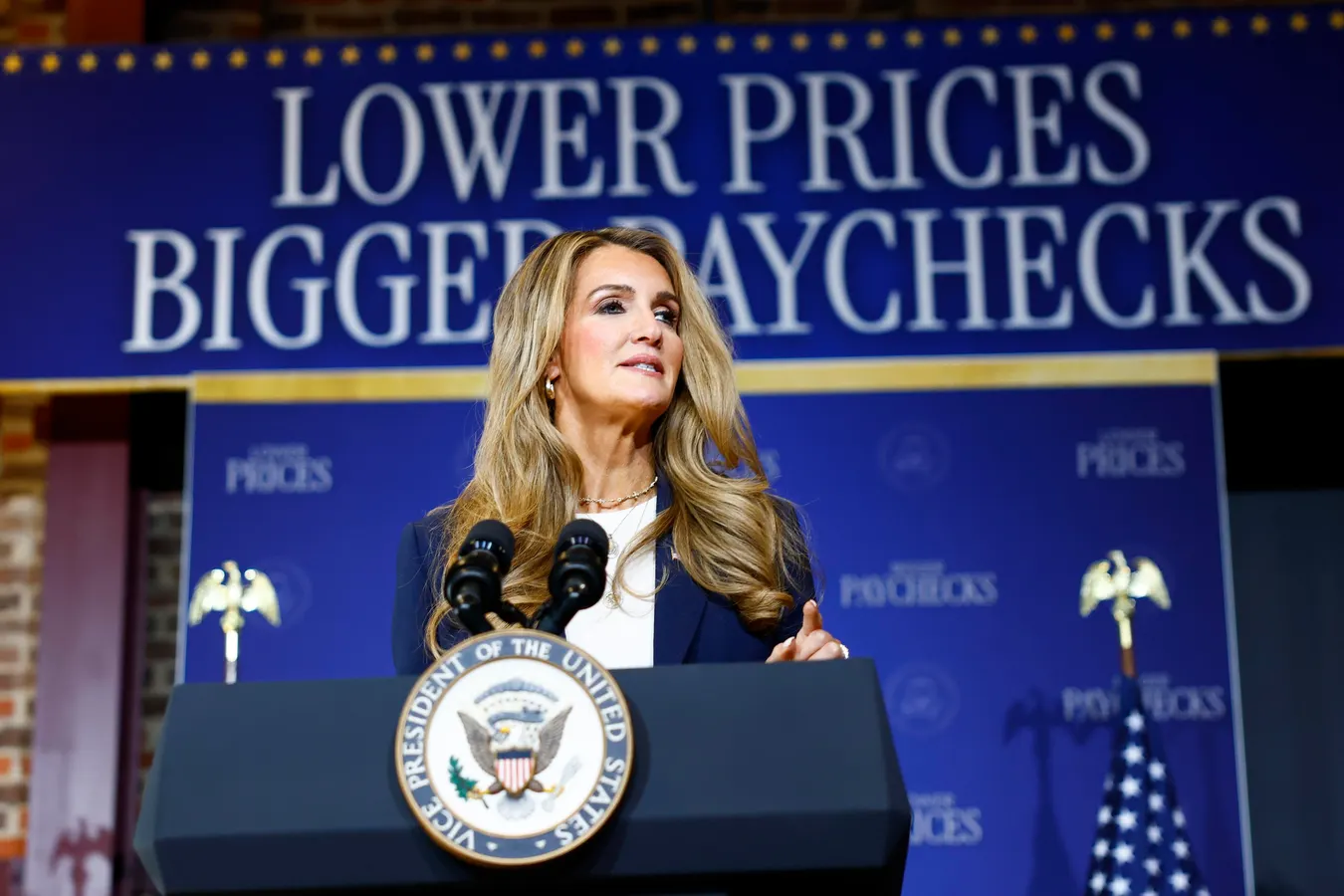
Perhaps even more transformative than the threshold adjustments is the SBA’s proposal to radically simplify the classification system itself. The agency intends to jettison the intricate, granular framework of the North American Industry Classification System, moving away from its incredibly specific coding structure. The plan is to cut roughly 65% of the existing NAICS codes, compressing a list of over 1,000 distinct categories into a mere 338 broader, more sweeping classifications. In some cases, the numerical code itself would be shortened from six digits to four. This “market-size approach” is designed to account for geographic limitations and to dramatically reduce the bureaucratic complexity that plagues businesses trying to determine their eligibility. The current system, with its rigid distinctions between very similar business types, often creates confusion and imposes significant compliance costs on firms trying to navigate the federal landscape. By consolidating these categories, the SBA aims to make the entire process more intuitive and less burdensome. According to SBA Administrator Kelly Loeffler, “By streamlining definitions, the SBA will expand access (to) capital, counseling, and contracting opportunities, which in turn create jobs and drive growth.”
For the most part, legal and business experts suggest that this rule change will be met with a collective shrug from the vast majority of American entrepreneurs who are already comfortably within the old size standards. However, for the specific cohort of 110,000 newly eligible firms, and for those companies hovering right at the current limit, the change is nothing short of a game-changer. Eric Pacifici, founder of SMB Law Group, characterized the practical effect as a major boon for a small minority, while being an “earthshattering” event for those affected. “The bullet points are, if you are an American small business as defined by the regulations, then you are eligible for benefits, which primarily are SBA loans and government contracts,” Pacifici told Forbes. “To those 110,000 businesses, it’s great. To the rest of us, it’s not earth-shattering.” This sentiment underscores the targeted precision of the policy; it is an intervention designed to unlock constrained growth in specific sectors rather than a broad stimulus for the general economy.
One of the most fascinating and unintended consequences of this proposed change lies in its potential to liberate a specific class of “stunted” businesses. For years, some highly successful small business government contractors have deliberately capped their own growth. They have consciously avoided hiring more employees or securing more revenue to ensure they stayed under the SBA’s size threshold, thereby preserving their eligibility for lucrative set-aside contracts that are exclusively reserved for small businesses. This has created a bizarre economic incentive where growth becomes a liability, and passing a certain size is akin to a “success tax.” The new rule change directly addresses this perverse incentive. By raising the ceilings so significantly, it essentially frees these companies to expand to their natural market potential without the fear of losing their primary source of income. Pacifici notes that these firms can now “grow significantly in employee headcounts and revenue levels,” and an SBA official has confirmed that this is a deliberate part of the rule’s intent. “You’ve got that class of businesses that intentionally stopped growing, because they needed those benefits, that now can grow a little bit more,” Pacifici explained. “You’ve got entrepreneurs that can go out there and acquire larger businesses.” This creates a potential wave of new economic activity as previously cautious owners switch from a defensive, conservationist mindset to an aggressive, expansionist one. The question remains, however, how many businesses have actually been sitting at this artificial growth plateau.
While the strategic vision is clear, the path to implementation is still fraught with procedural hurdles. The rule change, which was first formally proposed in August of 2025, must now navigate a federal review process. This includes a mandatory public comment period, during which stakeholders from various industries can voice their support or opposition, and the crucial step of gaining buy-in from other federal agencies that rely on the NAICS codes and SBA size standards for their own procurement activities. Historically, changes to the NAICS system have been slow-moving and heavily negotiated, as they affect data collection and contract allocation across the entire federal government. However, an SBA official has indicated to Forbes that the agency is aiming for a prompt resolution, expecting the rule to go into effect by the end of the year. This timeline, while optimistic, reflects the administration’s urgency to modernize the system. As the process moves forward, the focus will shift from the broad strokes of the policy to the granular details—how the new 338 classifications map onto the old 1,000+ codes and whether the specific thresholds strike the right balance between enabling growth and maintaining a level playing field for true small businesses. The move is clearly a calculated bet that allowing businesses to grow larger before they are considered “big” will lead to a more competitive, resilient, and dynamic federal contractor ecosystem, ultimately strengthening the American economy by allowing these vital enterprises to reach their full potential.