







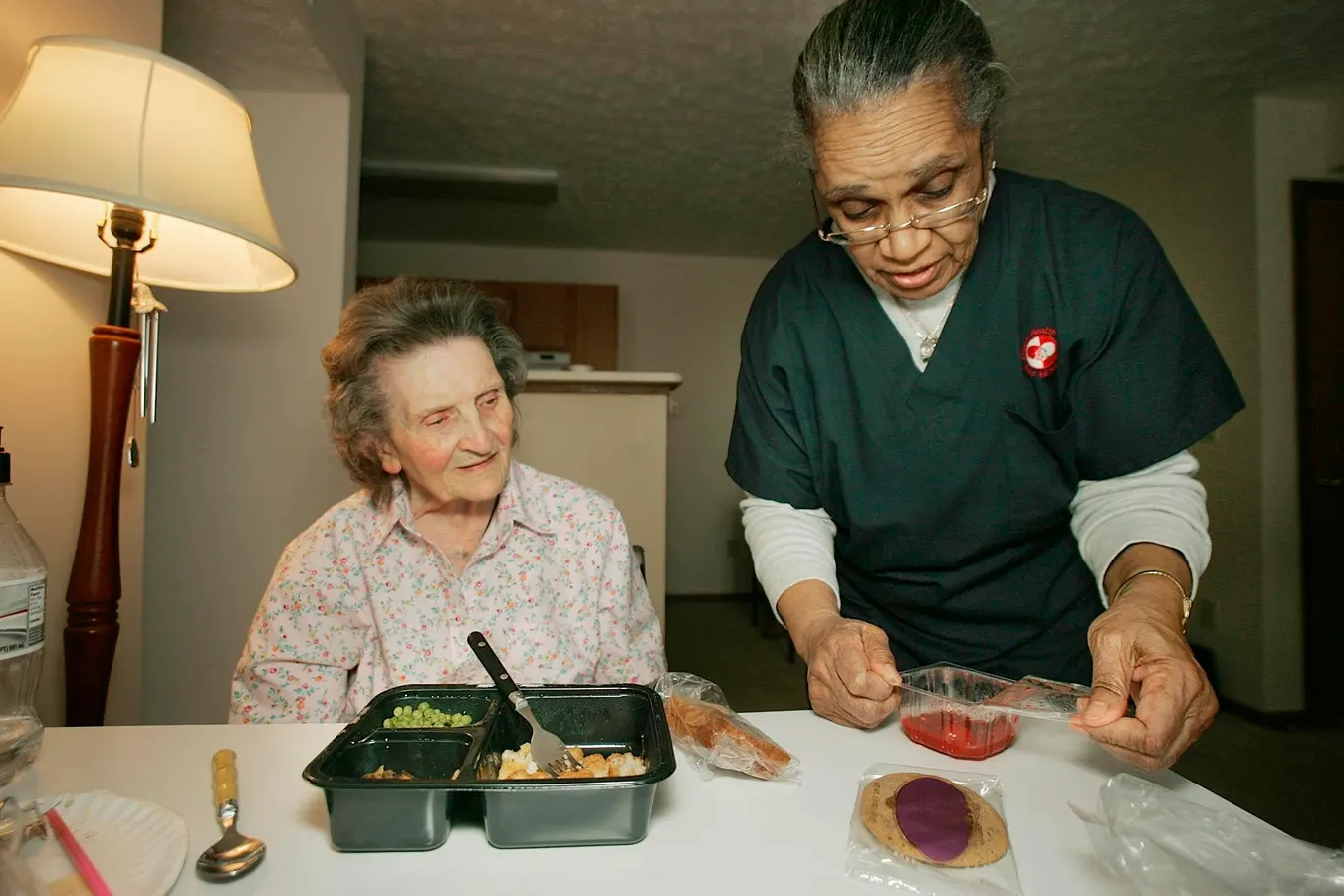
The Department of Justice’s recent decision to halt federal enforcement of a landmark disability rights ruling has sent shockwaves through the advocacy community, signaling a challenging era for vulnerable Americans. For nearly three decades, a pivotal Supreme Court ruling known as Olmstead v. L.C. ex rel. Zimring established that states must provide Medicaid long-term care in the most integrated, least restrictive setting possible. In practice, this meant prioritizing home- and community-based services over institutionalization in nursing homes. However, a recent federal memo revealed that the Justice Department will adopt a drastically narrower interpretation of this mandate, effectively withdrawing federal legal support for individuals trying to remain in their homes. While families can still independently sue states for cutting services, they will now have to do so without the immense legal backing, resources, and intervention of the federal government.
Historically, the Department of Justice acted as a crucial shield for older adults and individuals with physical or cognitive disabilities. By directly suing states that failed to offer adequate home care or joining private class-action lawsuits, the federal government leveraged its immense authority to hold states accountable. Over the years, federal intervention in more than fifty cases successfully pressured states into expanding home car services rather than forcing patients into institutional care. The timing of this policy shift, which coincidentally fell on the anniversary of the Olmstead decision, represents more than a symbolic defeat; it strips away a vital legal safety net just as states prepare to navigate massive financial pressures.
This retreat from legal enforcement aligns with a broader, multi-front fiscal squeeze on the Medicaid program, leaving low-income seniors and people with disabilities in a precarious position. Federal budget cuts, including a projected reduction in Medicaid funding by nearly one trillion dollars over the next decade, have placed immense pressure on state budgets. Because federal law mandates that states cover nursing home care but classifies home- and community-based services as optional, these local waiver programs are the most vulnerable to budget cuts. Consequently, when state governments face severe federal funding shortfalls, home care benefits—the very programs that allow individuals to live independently and with dignity—are historically the first on the chopping block.
The threat to home care is also compounded by administrative crackdowns and labor shortages that are directly impacting families on the ground. Recent federal initiatives targeting alleged fraud in consumer-directed care programs—where family members are compensated for caregiving duties—have led to funding suspensions, penalizing frail seniors for administrative errors made by third-party contractors rather than the families themselves. Simultaneously, stricter immigration policies have worsened an already severe shortage of direct care workers, driving up the cost of care for both state Medicaid programs and families paying out of pocket. In states like Idaho, Colorado, and Iowa, we are already seeing the warning signs, with governments reducing caregiver payments and tightening enrollment requirements.
Ultimately, this policy shift grants states a virtual “get-out-of-jail-free” card to dismantle home-based care networks without fear of federal intervention. While local advocates and families will undoubtedly continue to fight service cuts through private litigation, the legal landscape has become significantly steeper and more expensive without the Department of Justice in their corner. As federal mandates push states to reduce spending, the loss of Olmstead enforcement means the safety, independence, and comfort of America’s most vulnerable populations will increasingly depend on their zip code, leaving many seniors and people with disabilities with fewer choices and a higher risk of unwanted institutionalization.