






The financial markets have been on an absolute tear over the last three years, with the S&P 500 delivering a staggering 87% return that has left most traditional investors celebrating. Yet, even this historic run-up has been eclipsed by a much darker, far more lucrative market: the booming industry of online investment fraud. According to the FBI, Americans reported losing a mind-boggling $8.6 billion to digital investment scams last year—a terrifying leap from the $3.3 billion reported in 2022. Driven largely by cryptocurrency schemes, which swallowed $7.2 billion of that total, these highly sophisticated operations are stealing life savings at an unprecedented pace, leaving families devastated and regulators scrambling to keep up.
In response to this growing epidemic, the Securities and Exchange Commission (SEC) recently announced the creation of the Retail Fraud Working Group, a specialized task force designated to combat these predatory schemes. While any move to protect everyday investors is a step in the right direction, the announcement has received a mixture of optimism and skepticism from legal and financial experts. The SEC’s brief five-paragraph announcement promised to leverage cutting-edge “data and technology” to identify bad actors and build proactive cases, yet it offered very few details on how this group will operate. Critics and industry observers are left wondering why a brand-new group is necessary to address misconduct that has theoretically always fallen under the agency’s primary jurisdiction.
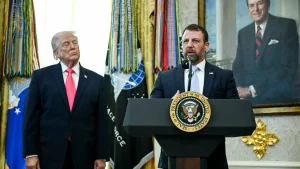
Under the leadership of SEC Chairman Paul Atkins, this move is being framed as a vital return to the agency’s core mission of putting investor protection first. The working group’s mandate is broad, covering everything from classic pump-and-dump schemes and market manipulation to misconduct by licensed brokers and investment advisers who quietly drain client wealth through hidden fees and unsuitable recommendations. Furthermore, the cryptocurrency landscape presents a unique, fragmented regulatory puzzle. Because the SEC can only prosecute crypto scams when they involve assets classified as securities, this new group will have to work closely with other state and federal regulators to ensure that clever fraudsters do not simply slip through the legal cracks.
One of the most persistent and dangerous misconceptions among everyday investors is the belief that if a company is registered with the SEC or trades publicly, it has been vetted and deemed legitimate by the government. In reality, the SEC simply does not have the resources to audit every financial report or verify every claim made by a business, leaving the door wide open for sophisticated fraudsters. Consequently, regulators have historically operated in a reactive state, arriving at the scene of the crime long after the money has been stolen and moved offshore. As veteran securities attorneys point out, victims do not need hindsight enforcement or empty sympathy—they need proactive intervention before their hard-earned money vanishes into the digital ether.
Fortunately, technology is a double-edged sword. While it has allowed fraudsters to scale their operations through targeted social media campaigns, fake investment groups, and predatory “affinity fraud” that exploits trust within tight-knit community or religious groups, it also gives regulators powerful new tools. The new working group aims to use advanced data analytics to follow the money trails in real-time, flag suspicious online promotions, identify repeat offenders, and spot systemic red flags before a scam can balloon into a multi-million-dollar disaster. If utilized correctly, these technological capabilities could dramatically shorten investigation timelines and allow the SEC to freeze fraudulent accounts before assets are permanently laundered.
Ultimately, whether this new initiative represents a genuine turning point for consumer protection or is merely a public relations exercise remains to be seen. The SEC has not announced any new enforcement powers, allocated specific funding to this task force, or explained how it will measure the group’s success. For the millions of retail investors navigating an increasingly complex and treacherous financial landscape, the creation of the working group offers a glimmer of hope that help is on the way. However, as legal experts warn, the true test of this initiative will not be found in promising press releases, but in the speed and force with which the SEC actually shuts down fraudsters and protects the public.